Introduction to Proximity Sensor Software Tools
Proximity sensors are critical components in modern automation and industrial systems, detecting the presence or absence of objects without physical contact. To ensure their reliability and accuracy, specialized software tools have been developed for testing, calibration, and diagnostics. These applications enable engineers to monitor sensor performance in real-time, configure parameters, and troubleshoot issues efficiently. By integrating with control systems like PLCs or via direct communication protocols such as IO-Link, the software provides a comprehensive interface for managing sensor networks. This digital approach reduces downtime and enhances operational safety, making it indispensable in sectors like manufacturing, automotive, and robotics.
Key Features of Proximity Sensor Testing Software
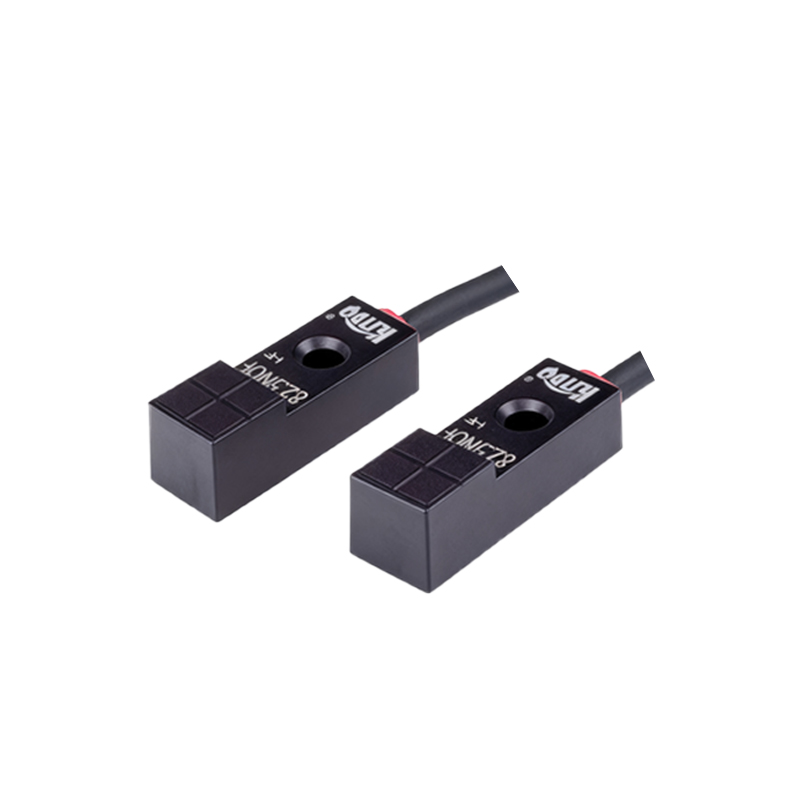
Effective proximity sensor software typically includes features for real-time data acquisition, waveform analysis, and threshold setting. Users can visualize sensor outputs through graphical interfaces, allowing for quick identification of anomalies like signal drift or false triggers. Calibration modules help adjust sensing ranges and sensitivity to match specific environmental conditions, while diagnostic tools log error codes and performance metrics for predictive maintenance. Advanced versions support simulation modes, enabling offline testing without disrupting live operations. Compatibility with multiple sensor types—inductive, capacitive, and photoelectric—ensures versatility across applications, from conveyor belts to robotic arms.
Integration with Industrial Automation Systems
In industrial settings, proximity sensor software often interfaces with broader automation platforms such as SCADA or DCS. This integration facilitates centralized monitoring, where sensor data is aggregated for analysis and control. Through standardized protocols like Modbus, Profinet, or Ethernet/IP, the software can communicate with PLCs to automate testing sequences or trigger alerts based on sensor status. For instance, if a sensor detects an object outside predefined limits, the software can initiate corrective actions via the control system. This seamless connectivity enhances system responsiveness and supports Industry 4.0 initiatives by enabling data-driven decision-making and remote access capabilities.
Diagnostic and Maintenance Applications
Regular diagnostics are vital for prolonging sensor lifespan and preventing failures. Proximity sensor software simplifies this process by offering automated test routines that check for common issues like wiring faults, contamination, or wear. Maintenance schedules can be programmed based on usage data, with software generating reports on sensor health and recommending replacements when necessary. In predictive maintenance scenarios, machine learning algorithms analyze historical data to forecast potential failures, reducing unplanned downtime. These tools are particularly valuable in high-stakes environments, such as aerospace or medical device manufacturing, where sensor accuracy is non-negotiable.
Best Practices for Software Implementation
To maximize the benefits of proximity sensor software, engineers should follow best practices during implementation. Start by selecting software compatible with existing hardware and network infrastructure, ensuring it supports the required communication protocols. During installation, calibrate sensors in their operational environment to account for factors like temperature or electromagnetic interference. Train personnel on using the software’s features, emphasizing data interpretation and troubleshooting steps. Regularly update the software to incorporate new functionalities and security patches. Additionally, maintain detailed documentation of sensor configurations and test results to streamline audits and compliance with industry standards like ISO or IEC.
Future Trends in Sensor Testing Technology
The evolution of proximity sensor software is driven by advancements in IoT and AI. Future tools may incorporate cloud-based platforms for real-time analytics across global facilities, enabling collaborative diagnostics and benchmarking. Enhanced AI capabilities could allow for autonomous calibration and adaptive sensing, where software dynamically adjusts sensor parameters based on changing conditions. Augmented reality interfaces might provide technicians with overlay guides for field testing, improving accuracy and efficiency. As sensors become more integrated into smart factories, software will play a pivotal role in ensuring interoperability and resilience, ultimately supporting more agile and sustainable industrial operations.