Introduction to Unconventional Proximity Sensors
Proximity sensor switches are fundamental components in industrial automation, detecting the presence or absence of objects without physical contact. While inductive, capacitive, and photoelectric sensors are widely recognized, a range of unconventional proximity switches offers specialized solutions for unique operational challenges. These sensors are engineered to perform in extreme environments, handle novel materials, or fulfill specific application requirements where standard sensors may fail. Their development is driven by the need for higher precision, durability, and adaptability in advanced manufacturing, robotics, and emerging technological fields. Understanding these less common variants is crucial for engineers aiming to optimize system performance and reliability.
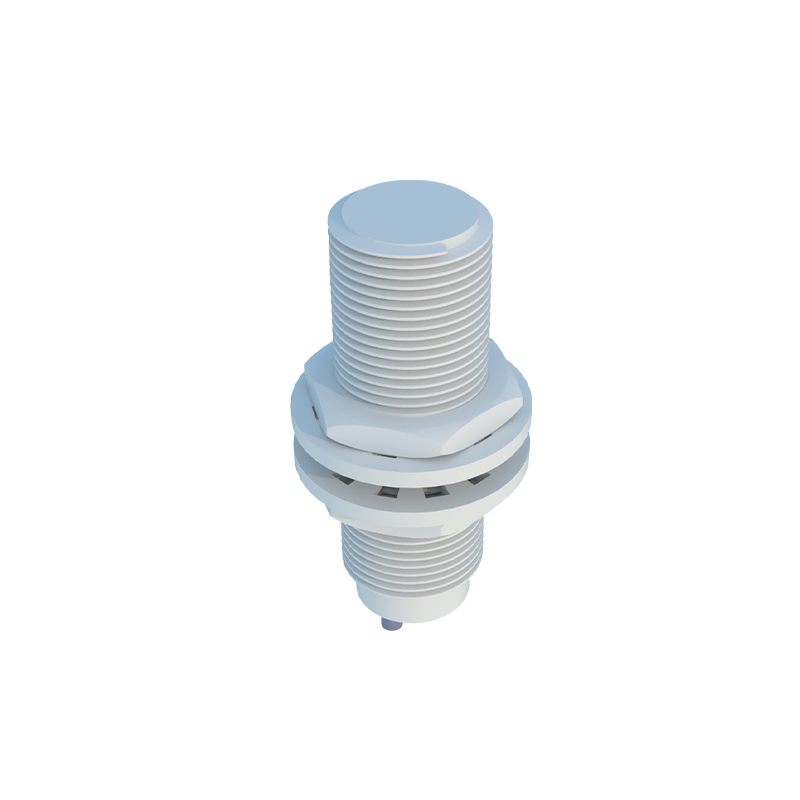
Fiber Optic Proximity Sensors
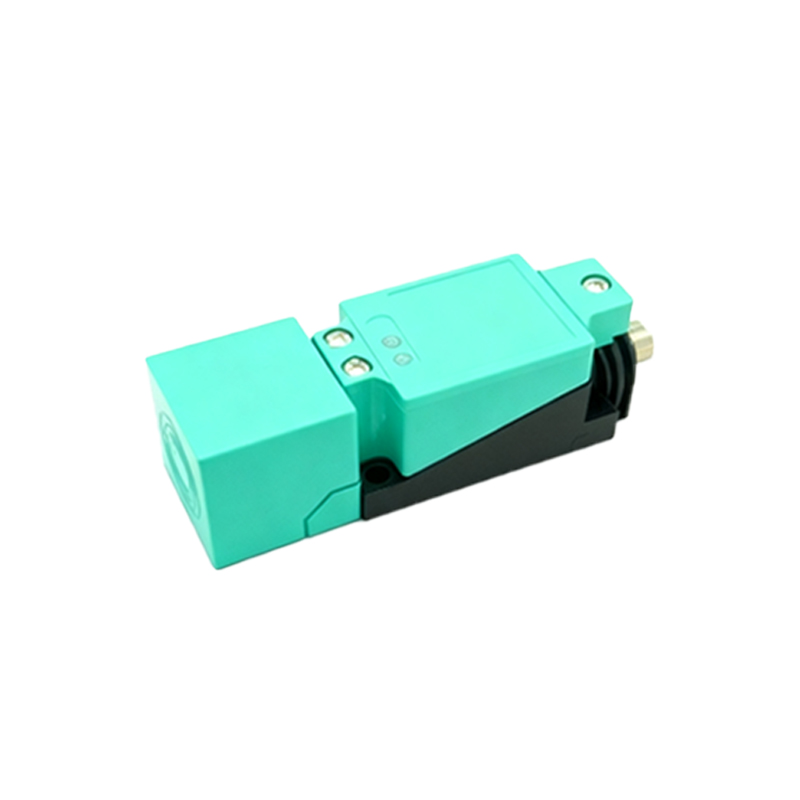
Fiber optic proximity sensors utilize light transmission through optical fibers to detect objects. They consist of a light source, a fiber optic cable, and a photodetector. These sensors are exceptionally suitable for environments with high electromagnetic interference, extreme temperatures, or corrosive substances, as the sensing element can be isolated from the electronics. They offer high sensitivity and can detect minute objects or precise positions. Common applications include semiconductor manufacturing, where cleanroom conditions are essential, and in medical devices for sterile operations. Their ability to function in small spaces and hazardous areas makes them a versatile unconventional choice.
Ultrasonic Proximity Sensors
Operating on sound waves beyond human hearing, ultrasonic proximity sensors measure the time taken for an echo to return after emitting a high-frequency pulse. They are effective for detecting objects regardless of color, transparency, or material composition, including liquids and granular substances. Unlike optical sensors, they are not affected by dust, smoke, or ambient light variations. These sensors are commonly used in level sensing for tanks, distance measurement in robotics, and object detection in challenging industrial settings like mining or agriculture. Their robustness and versatility in non-contact detection across various mediums classify them as a key unconventional type.
Magnetic Proximity Sensors
Magnetic proximity sensors, often based on Hall effect or reed switch technology, detect the presence of magnetic fields, typically from permanent magnets or electromagnets. They are highly reliable for sensing ferrous materials or magnetized objects through non-magnetic barriers like plastic, glass, or aluminum. This makes them ideal for applications requiring sealed sensing, such as in hydraulic cylinders, door position detection in automotive systems, or flow meters. Their immunity to environmental contaminants like dirt, oil, and moisture enhances durability in harsh conditions, distinguishing them from conventional inductive sensors that require conductive targets.
Laser Proximity Sensors
Laser proximity sensors employ focused laser beams for precise distance and presence detection. They offer extremely high accuracy and resolution, capable of measuring small displacements or detecting tiny objects at long ranges. These sensors are pivotal in applications demanding fine precision, such as alignment in assembly lines, thickness gauging in rolling mills, or profile monitoring in 3D scanning systems. While similar in principle to photoelectric sensors, their use of coherent light allows for sharper beam definition and reduced interference, making them suitable for clean, controlled environments like electronics manufacturing or laboratory automation.
RFID-Based Proximity Sensors
RFID (Radio-Frequency Identification) proximity sensors combine RFID tags and readers to identify and track objects within a specific range. They not only detect presence but also provide data storage and transmission, enabling smart inventory management, access control, and automated logistics. Unlike traditional sensors, RFID systems can handle multiple tags simultaneously and work through non-metallic materials. Their application spans from retail and warehousing to industrial IoT, where real-time asset tracking and identification are required. This integration of sensing with data intelligence positions RFID as an unconventional yet increasingly vital proximity solution.
Application Considerations and Selection Criteria
Selecting an unconventional proximity sensor involves evaluating factors such as environmental conditions, target material, required sensing range, accuracy, and cost. Engineers must assess temperature extremes, exposure to chemicals, electrical noise, and physical space constraints. For instance, fiber optic sensors excel in EMI-prone areas, while ultrasonic sensors suit dusty environments. Compatibility with existing control systems and maintenance requirements also influence the choice. As industries evolve towards Industry 4.0, the demand for these specialized sensors grows, emphasizing the need for thorough analysis to ensure optimal performance and longevity in diverse operational scenarios.