Understanding Photoelectric Sensor Dynamic Testing
A photoelectric sensor dynamic tester is a specialized instrument designed to evaluate the real-time performance and reliability of photoelectric sensors under simulated operational conditions. Unlike static testing, which checks basic functionality, dynamic testing subjects the sensor to varying parameters such as target speed, distance, reflectivity, and ambient light interference. The core principle involves generating a controlled, moving target or modulating a light signal to mimic the sensor's actual working environment. The tester then precisely measures critical response parameters, including response time (both on-delay and off-delay), detection repeatability, signal stability, and the sensor's ability to distinguish between valid targets and background noise. This process is vital for validating sensor specifications provided by manufacturers and ensuring they will perform reliably in high-speed automation, packaging, and material handling applications where milliseconds matter.
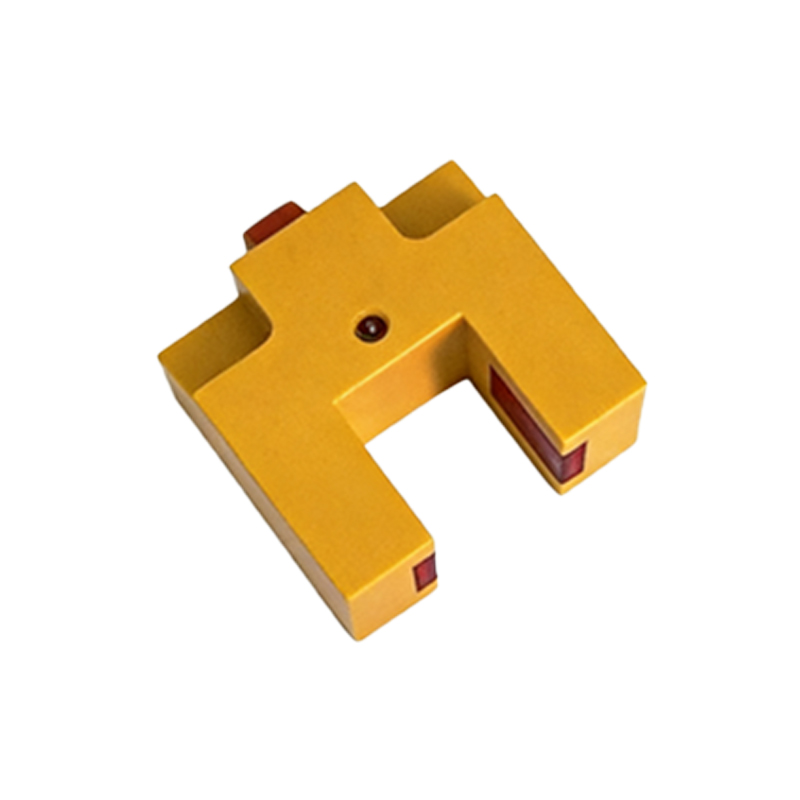
Key Components and Functionality of a Dynamic Tester
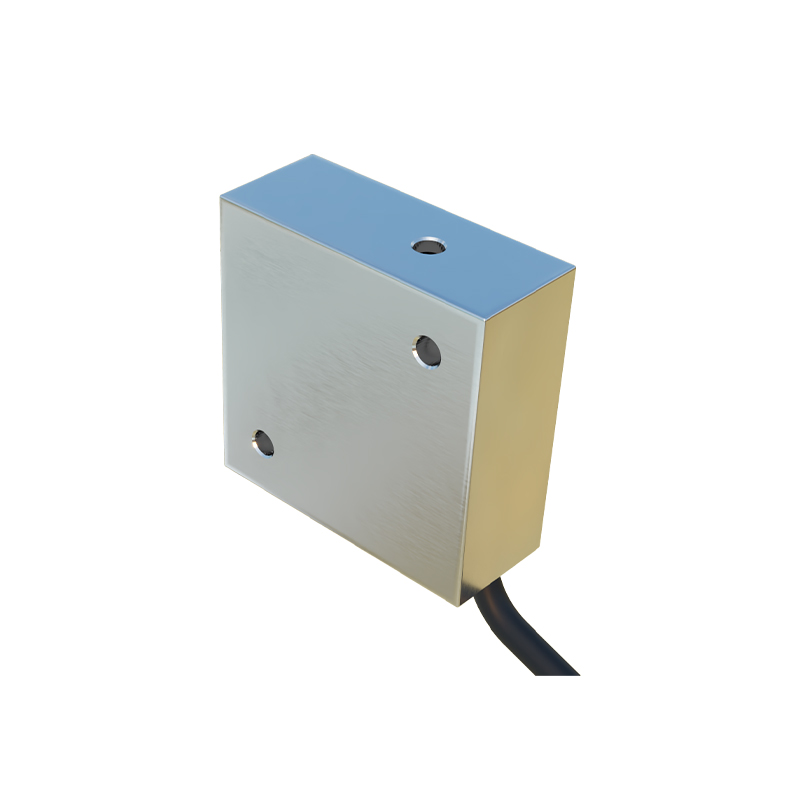
A sophisticated photoelectric sensor dynamic tester comprises several integral modules. First is the motion generation system, which may use a precision servo motor or a linear actuator to move a test target at programmable and highly repeatable speeds and patterns. The target stage often includes interchangeable plates with different colors, materials, and reflectivity levels (e.g., white, black, matte, glossy) to test various sensing modes like diffuse, retro-reflective, and through-beam. Second is the optical signal generation and measurement unit. This includes calibrated light sources to simulate ambient interference and precise photodetectors to analyze the sensor's emitted beam and received signal integrity. The heart of the system is the high-speed data acquisition and analysis controller. It captures the sensor's output signal with microsecond resolution, calculates key metrics like response frequency (switching capacity per second), and presents data through intuitive software for waveform analysis, statistical process control (SPC), and report generation.
Critical Applications in Industrial Automation
The deployment of photoelectric sensor dynamic testers is widespread across industries that demand precision and reliability. In automotive manufacturing, they are used to verify sensors for robot guidance, part presence verification on fast-moving assembly lines, and precise positioning in welding and painting processes. The electronics industry relies on them to test sensors for component placement machines (pick-and-place), where detecting tiny components at high speeds is crucial. In pharmaceutical packaging, dynamic testers ensure sensors accurately count tablets, inspect blister packs, and verify labels on conveyor belts without false triggers. Furthermore, they are indispensable in R&D departments for developing new sensor technologies, benchmarking competitor products, and conducting failure analysis to improve design robustness against factors like vibration, temperature drift, and contaminant buildup on the lens.
Interpreting Test Results and Performance Metrics
Effectively interpreting data from a dynamic tester is key to making informed decisions. The primary metric is response time, typically broken into turn-on time (from target detection to output activation) and turn-off time. In high-speed counting applications, a sensor with a 0.5ms response time can theoretically handle up to 1000 operations per second. Repeatability, often expressed as a percentage or distance value, indicates how consistently the sensor detects the same target at the same position. Hysteresis is another vital parameter, representing the difference between the switch-on and switch-off points; appropriate hysteresis prevents output chattering. The tester also evaluates the sensor's stability in the presence of external light (like sunlight or welding arcs) and its ability to maintain a stable sensing range despite target color or surface variations. Graphs showing signal amplitude versus distance or time-based waveform outputs are analyzed to identify anomalies.
Selecting the Right Dynamic Tester for Your Needs
Choosing an appropriate photoelectric sensor dynamic tester requires careful consideration of several factors. First, define the required measurement accuracy and speed range. For testing high-speed sensors used in bottling plants, a tester with motion capabilities exceeding 10 m/s and timing resolution in the microsecond range is necessary. Compatibility is crucial; the tester should accommodate various sensor types (fiber optic, miniature, slot-type) and output configurations (PNP, NPN, analog, IO-Link). Evaluate the software's user-friendliness and data export capabilities for integration into quality management systems. Consider future needs: a modular system that can be upgraded to test ultrasonic or inductive sensors offers better long-term value. Lastly, assess the manufacturer's support for calibration services, technical training, and availability of standardized test targets to ensure consistent, industry-compliant results across your organization or supply chain.