Understanding Proximity Sensor Technology
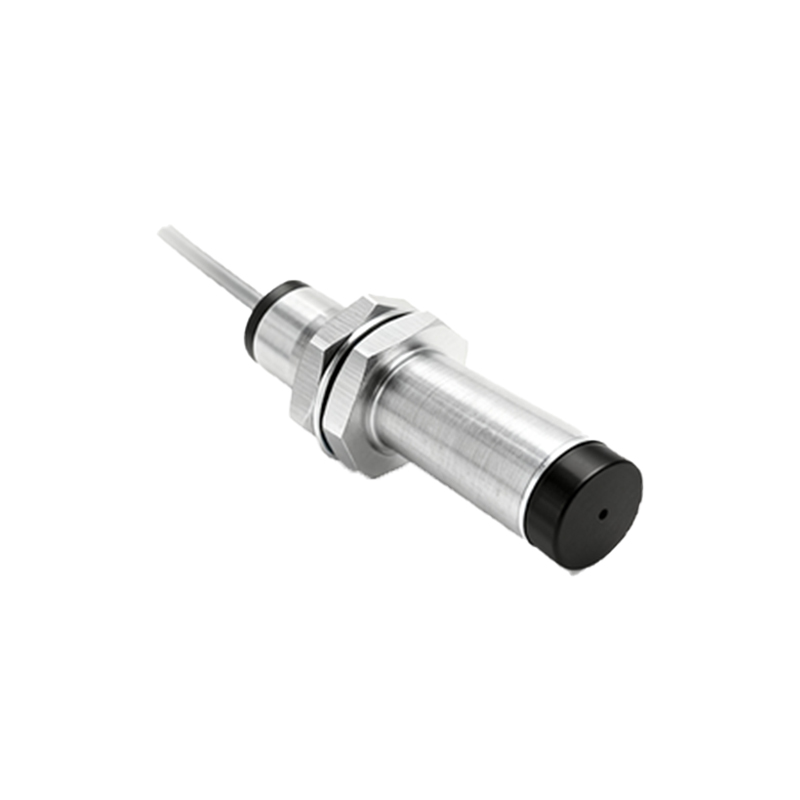
Proximity sensors are pivotal components in modern industrial automation, enabling non-contact detection of objects within a defined range. These devices operate on various principles, including inductive, capacitive, ultrasonic, and photoelectric sensing. Inductive sensors detect metallic objects, while capacitive sensors can sense both metallic and non-metallic materials. The choice of technology directly impacts performance, application suitability, and, consequently, the selection of an appropriate supplier. A deep understanding of these core technologies is the first step in evaluating potential vendors, as their expertise often aligns with specific sensing principles and industry niches.
Key Criteria for Selecting a Supplier
Choosing the right proximity sensor supplier extends beyond basic product specifications. Key evaluation criteria include technical support capabilities, product customization options, lead times, and global supply chain reliability. A premier supplier should offer comprehensive technical documentation, responsive application engineering support, and a proven track record in your specific sector, whether automotive, packaging, material handling, or food and beverage. Furthermore, assess their quality management systems—certifications like ISO 9001 are standard indicators of consistent manufacturing quality and process control.
Global Market Leaders and Specialized Providers
The supplier landscape is diverse, featuring established global giants and agile specialized firms. Major multinational corporations offer extensive product portfolios, global distribution networks, and robust R&D investment. Conversely, niche suppliers often provide superior expertise in particular applications or sensor types, such as high-temperature or washdown-duty sensors. The optimal choice depends on project scale, technical complexity, and required support level. Sometimes, a partnership with a specialized provider yields more innovative and cost-effective solutions than opting for a one-size-fits-all approach from a market leader.
The Importance of Product Range and Innovation
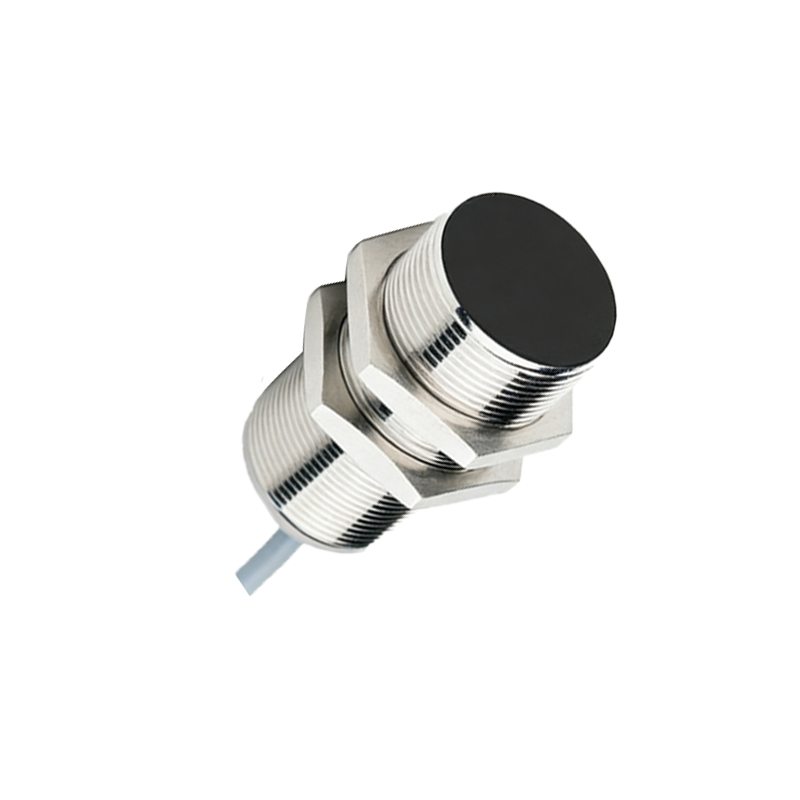
A supplier's product range breadth and innovation pipeline are critical. A comprehensive portfolio should include various housing styles (cylindrical, rectangular), output types (PNP/NPN, analog, IO-Link), and connection methods. However, true value lies in a supplier's commitment to innovation. Look for advancements in miniaturization, enhanced sensing ranges, improved immunity to environmental interference, and integration with Industrial Internet of Things (IIoT) platforms. Suppliers actively developing smart sensors with diagnostic data and predictive maintenance capabilities are positioning themselves—and their clients—for the future of industry.
Evaluating Supply Chain and Logistics Capabilities
In today's interconnected industrial world, a supplier's logistical prowess is as crucial as their technical expertise. Evaluate their manufacturing footprint, inventory management strategies, and distribution channels. Reliable suppliers maintain strategic buffer stocks and offer flexible delivery options to mitigate production downtime risks. Furthermore, their ability to navigate global trade regulations and provide seamless cross-border logistics support is indispensable for multinational operations. A transparent and resilient supply chain is a hallmark of a dependable long-term partner.
Building a Strategic Partnership
The most successful engagements transcend transactional buyer-supplier relationships, evolving into strategic partnerships. This involves collaborative problem-solving, joint development projects for custom solutions, and shared roadmaps for technology adoption. A partner-level supplier proactively advises on industry trends, such as the shift towards IO-Link for enhanced device communication, and helps optimize sensor deployment across your operations. Establishing clear communication channels and performance metrics ensures the partnership delivers continuous value, driving efficiency and innovation on the plant floor.
Future Trends Impacting Supplier Choices
Emerging trends are reshaping expectations for proximity sensor suppliers. The integration of advanced diagnostics, edge computing capabilities, and cybersecurity features into sensors is becoming paramount. Suppliers must now offer products that are not only robust and accurate but also intelligent and secure. Additionally, sustainability considerations are gaining prominence, influencing demands for energy-efficient sensors and environmentally conscious manufacturing processes. Forward-thinking suppliers are already adapting their R&D and production strategies to meet these evolving demands, making them preferable partners for future-proofing industrial assets.