Introduction to Photoelectric Sensing Technology
Photoelectric sensors represent a cornerstone of modern automation and energy management systems, particularly in building infrastructure. These devices operate by emitting a light beam—typically infrared, visible, or laser—and detecting changes in the received light signal. In corridor applications, the most common configuration is the diffuse reflective type, where the sensor and receiver are housed in a single unit. The sensor emits light towards a target area; when an object, such as a person, enters the detection zone, it reflects part of the light back to the receiver. This change in the light pattern triggers an electrical signal that can control lighting circuits. The principle relies on the modulation of light, ensuring reliability unaffected by ambient sound or minor air movements, unlike ultrasonic or passive infrared alternatives. This technology offers precise, non-contact detection, making it ideal for automated lighting in corridors, stairwells, and transitional spaces where efficiency and user convenience are paramount.
System Design and Installation Considerations
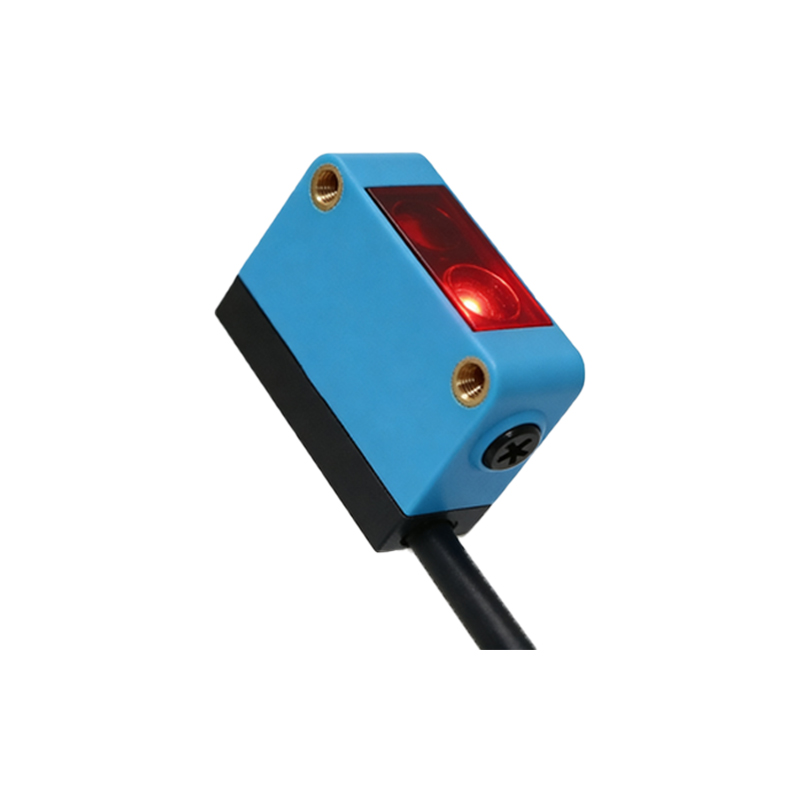
Implementing photoelectric sensors for corridor lighting requires careful planning to maximize performance and longevity. Key design parameters include detection range, response time, and environmental resilience. For typical corridors, a detection range of 5 to 15 meters suffices, with a wide beam angle to cover movement across the path. Sensors should be mounted at optimal heights—usually 2 to 2.5 meters above floor level—to avoid false triggers from small pets or moving objects while ensuring reliable human detection. Alignment is critical; sensors must be positioned to avoid obstructions like decorative elements or doors that could block the light beam. Additionally, selecting sensors with appropriate ingress protection ratings, such as IP65 for dust and water resistance, ensures durability in varied indoor conditions. Wiring integration involves connecting the sensor to the lighting control panel, often using low-voltage circuits for safety. Modern systems support programmable features, allowing adjustment of delay times—the duration lights remain on after detection ceases—to balance energy savings with user comfort, typically set between 30 seconds and 10 minutes.
Energy Efficiency and Cost-Benefit Analysis
The adoption of photoelectric sensors in corridors directly translates to significant energy conservation and operational cost reductions. Traditional lighting systems, reliant on manual switches or timers, often result in lights remaining on unnecessarily, wasting electricity. Photoelectric sensors eliminate this by ensuring lights activate only upon detecting occupancy and deactivate automatically after a preset delay. Studies indicate that such automated controls can reduce lighting energy consumption in corridors by 40% to 60%, depending on usage patterns. Beyond direct energy savings, these systems extend the lifespan of lighting fixtures by reducing operational hours, lowering maintenance and replacement costs. The initial investment includes sensor units, installation labor, and potential control system upgrades, but payback periods are generally short—often within 1 to 3 years—due to utility savings. Furthermore, compliance with green building standards like LEED or BREEAM enhances property value, making photoelectric sensor installations a financially and environmentally sound choice for commercial, residential, and institutional buildings.
Integration with Smart Building Systems
Advanced photoelectric sensors are increasingly integrated into broader smart building ecosystems, enhancing functionality through connectivity and data analytics. Modern sensors often feature IoT capabilities, enabling communication via protocols like BACnet, Modbus, or wireless standards such as Zigbee or Bluetooth. This allows centralized monitoring and control through building management systems, where corridor lighting can be coordinated with other functions like HVAC or security. For instance, sensor data on occupancy patterns can optimize energy use across floors or trigger alerts during unusual activity. Programmability via software interfaces permits remote adjustments to sensitivity or timing, adapting to changing building needs without physical reconfiguration. In smart homes or offices, these sensors can link to user devices for personalized settings, such as dimming levels or color temperatures. This integration not only boosts efficiency but also improves user experience by creating responsive, adaptive environments that anticipate needs while minimizing waste.
Maintenance and Troubleshooting Guidelines
Ensuring long-term reliability of photoelectric sensor systems requires routine maintenance and prompt troubleshooting. Common issues include false triggering, failure to detect, or erratic operation. False triggers may stem from reflective surfaces, sunlight interference, or moving objects like curtains; solutions involve repositioning sensors, using models with sun-blind filters, or adjusting sensitivity settings. Detection failures often result from lens contamination—dust or dirt accumulation that obstructs light transmission—necessitating regular cleaning with soft, dry cloths. Electrical problems, such as loose wiring or voltage fluctuations, should be checked periodically using multimeters to verify signal integrity. Most sensors include diagnostic LEDs that indicate power status and detection activity, aiding quick assessments. It is advisable to conduct semi-annual inspections, testing response times and alignment, and keeping firmware updated for networked units. By adhering to these practices, system downtime is minimized, ensuring consistent performance and safety in corridor lighting applications.