Market Overview and Price Range
The global market for metal proximity sensors is characterized by a wide spectrum of pricing, reflecting diverse technologies, performance grades, and application-specific requirements. Entry-level, general-purpose inductive proximity sensors for basic metal detection can be found in the range of $15 to $50 per unit. Mid-range models, offering enhanced sensing distances, better environmental sealing (IP67/IP69K), or specialized housing materials, typically command prices between $50 and $150. High-end sensors, featuring advanced diagnostics, extended temperature ranges, exceptional precision for positioning tasks, or certification for use in hazardous areas, can easily exceed $200 per unit. It is crucial to note that list prices are often subject to significant volume discounts for OEM procurement.
Core Technology and Its Cost Impact
The underlying sensing technology is a primary cost driver. Standard inductive sensors, which detect all metals, are the most economical. However, sensors employing the "factor 1" principle, designed specifically for non-ferrous metals like aluminum or copper, are more complex and thus more expensive. Capacitive sensors, which can detect both metals and non-metals, also carry a price premium over basic inductive types. Furthermore, analog output sensors (0-10V, 4-20mA), which provide continuous distance information, are costlier than simple digital (on/off) switches. The integration of IO-Link communication for smart sensor functionality adds another layer of cost but enables predictive maintenance and parameter setting via the control system.
Performance Specifications and Pricing Tiers
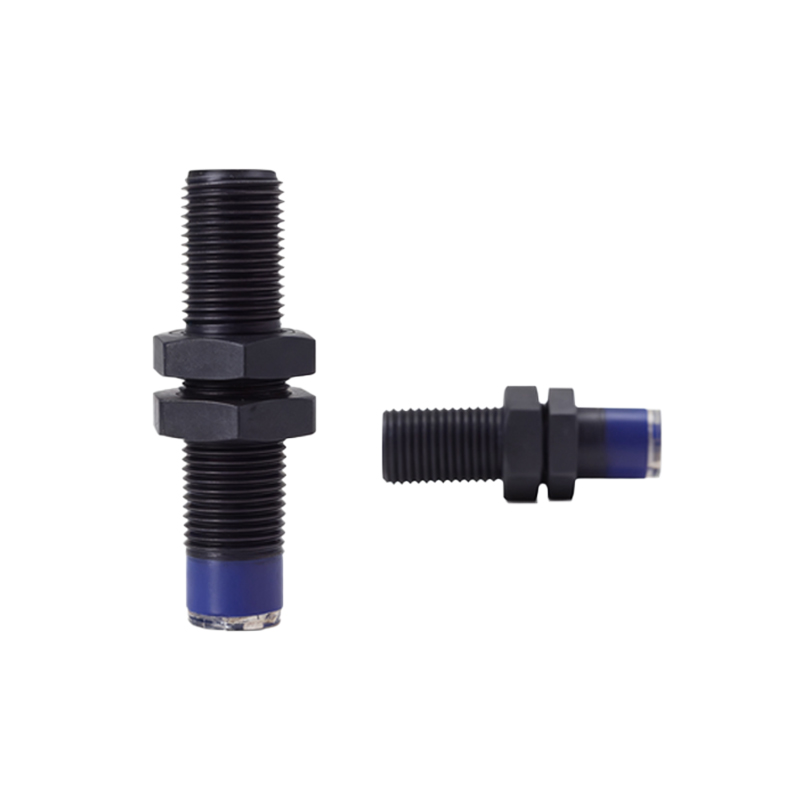
Key performance parameters directly correlate with price. Sensing distance is a major factor; a sensor with a 15mm range will be less expensive than an equivalent model with a 30mm range. The repeat accuracy and switching frequency are critical for high-speed automation; tighter tolerances and faster response times increase manufacturing costs. Physical construction also plays a role. Sensors with robust stainless-steel housings, PTFE-faced sensing surfaces for weld-field immunity, or those designed for extreme pressure resistance are priced higher than standard nickel-plated brass or PBT plastic housings. The ingress protection (IP) rating is another cost differentiator, with high-pressure washdown (IP69K) versions demanding more.
Supply Chain and Brand Considerations
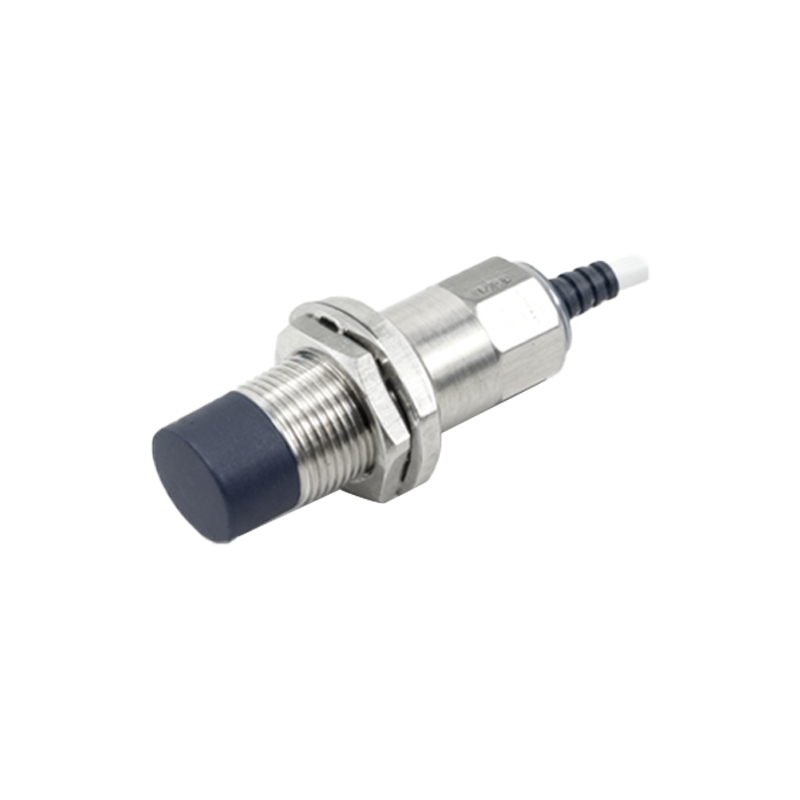
Brand reputation and origin significantly influence pricing. Established European and North American manufacturers (e.g., Siemens, Rockwell Automation, Turck, Pepperl+Fuchs) typically price their sensors at a premium, justified by extensive R&D, global support networks, and proven reliability in critical applications. Asian-made sensors, including reputable Japanese brands (e.g., Omron, Keyence) and various competitive suppliers from other regions, often offer aggressive pricing, sometimes with comparable performance for standard applications. The post-pandemic landscape has underscored the cost of supply chain resilience. Sensors with shorter, more reliable lead times or those holding ample distributor inventory may have a price advantage over those facing component shortages.
Total Cost of Ownership vs. Initial Purchase Price
A savvy engineer evaluates the Total Cost of Ownership (TCO), not just the unit price. A cheaper sensor with a lower Mean Time Between Failure (MTBF) can lead to disproportionate costs from unplanned downtime, production losses, and replacement labor. Sensors with high durability, even at a higher initial cost, often provide a superior return on investment in continuous operation environments. Features like built-in diagnostics (e.g., overload protection, short-circuit protection, LED status indicators) contribute to TCO by reducing troubleshooting time. Compatibility with existing infrastructure and tooling also saves on integration and maintenance expenses over the sensor's operational lifespan.
Future Trends Affecting Sensor Economics
The market is evolving in ways that will impact future pricing structures. The proliferation of Industry 4.0 and IIoT is increasing demand for intelligent sensors with embedded data capabilities, which may gradually reduce the price premium for smart features through economies of scale. Conversely, rising costs for raw materials (copper, nickel, semiconductors) and energy can exert upward pressure on base prices. There is also a growing trend toward sensor miniaturization for compact machinery, a development that involves sophisticated engineering and may keep prices stable for advanced form factors. Finally, the emphasis on sustainability is pushing for longer-life designs and recyclable materials, factors that will be factored into product costing.