In the ever-evolving landscape of technology, a quiet revolution is underway, driven by the relentless miniaturization of core components. Among these, the shrinking of laser sensors stands out as a pivotal advancement. Once bulky, power-hungry, and confined to specialized industrial or laboratory settings, laser sensors have undergone a dramatic transformation. Today, their compact form factor is unlocking possibilities across a breathtaking array of applications, from consumer electronics to advanced robotics and healthcare.
The primary driver behind this trend is the continuous innovation in semiconductor laser diodes and photodetectors. Modern fabrication techniques allow for the production of incredibly small yet highly efficient laser emitters and sensing elements. These components are then integrated into sophisticated micro-electro-mechanical systems (MEMS) or compact modular packages. This integration not only reduces physical size but also enhances reliability and lowers power consumption. A sensor that once required a dedicated enclosure can now be a surface-mount device on a circuit board, barely larger than a grain of rice.
The implications of this small size are profound. In the realm of consumer electronics, miniature laser sensors are the unsung heroes. They enable the facial recognition systems in smartphones, providing secure and fast authentication. They are integral to LiDAR scanners in modern tablets and devices, facilitating augmented reality experiences and precise 3D mapping. Automatic focus in smartphone cameras often relies on a tiny laser time-of-flight sensor to measure distance instantly, ensuring sharp images in any lighting condition.
Beyond personal devices, the impact extends to robotics and automation. Compact laser sensors serve as the "eyes" for autonomous mobile robots in warehouses and factories. Their small size allows for multiple sensors to be mounted on a single robot, providing a 360-degree field of view for navigation, obstacle avoidance, and precise object handling. Collaborative robots, designed to work safely alongside humans, depend on these small, responsive sensors to detect proximity and prevent accidents. The miniaturization also enables their use in drones for terrain mapping, altitude hold, and landing assistance.
The automotive industry is another major beneficiary. Advanced Driver-Assistance Systems (ADAS) and the push toward autonomous vehicles require a suite of sensors. Miniature laser sensors, often in the form of solid-state LiDAR, are being seamlessly integrated into headlights, grilles, and side mirrors. Their compact nature allows for a sleeker vehicle design without compromising the critical data needed for functions like adaptive cruise control, blind-spot detection, and emergency braking.
In healthcare and biotechnology, the small footprint of modern laser sensors is enabling new diagnostic tools and wearable devices. Portable medical analyzers can use laser-based detection for blood glucose monitoring or pathogen identification. Miniaturized optical coherence tomography (OCT) probes, utilizing laser light, can be used in endoscopic procedures for high-resolution imaging inside the human body. Wearable fitness trackers are beginning to incorporate laser-based sensors for more accurate heart rate and blood oxygen monitoring compared to traditional LED-based methods.
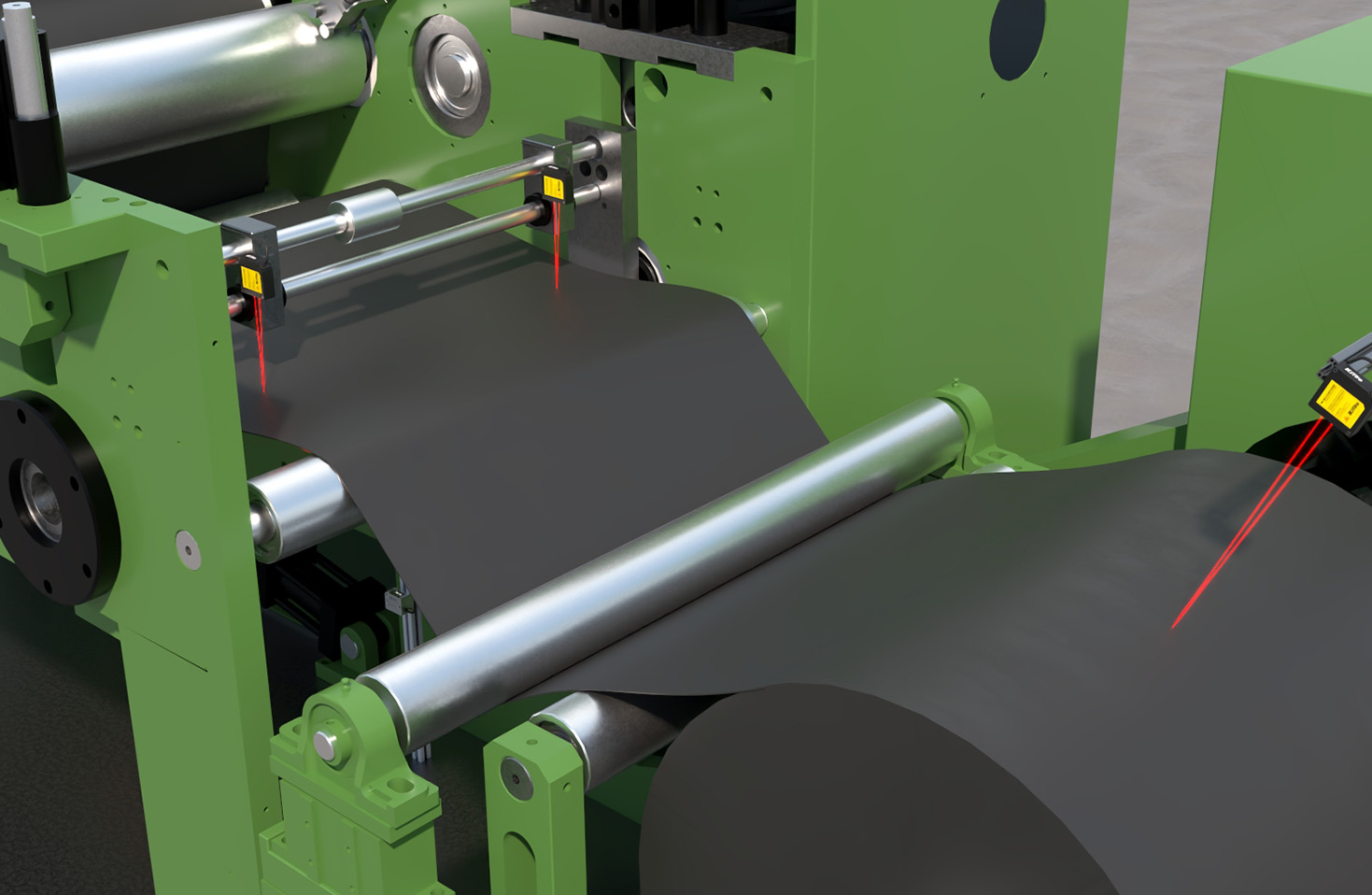
The advantages of small-sized laser sensors are not merely about saving space. Reduced size typically leads to lower material costs and the potential for mass production. Lower power demands mean longer battery life for portable and wireless applications. Furthermore, their robustness and lack of moving parts make them ideal for harsh environments, including industrial settings with vibration, dust, or extreme temperatures.
However, the journey of miniaturization is not without challenges. Engineers must constantly balance size with performance parameters like range, accuracy, and signal-to-noise ratio. As components get smaller, managing heat dissipation and ensuring alignment precision become more critical. Despite these hurdles, the trajectory is clear: laser sensors will continue to become smaller, smarter, and more integrated.
Looking ahead, the proliferation of the Internet of Things (IoT) and smart infrastructure will further fuel demand. Imagine environmental monitoring networks with thousands of tiny, laser-based gas or particulate sensors deployed across a city. Consider smart homes where miniature laser sensors discreetly manage lighting, climate, and security with unprecedented precision.
In conclusion, the small volume of contemporary laser sensors is far more than a technical footnote; it is a fundamental enabler of modern innovation. By packing powerful sensing capabilities into minuscule packages, these devices are dissolving the barriers between the digital and physical worlds. They are making technology more intuitive, responsive, and embedded into the fabric of our daily lives, quietly powering the next wave of technological progress across every sector imaginable.