In modern industrial automation, the reliability of sensing technology directly impacts production efficiency and operational safety. Among various environmental challenges, liquid splash interference remains a persistent issue that compromises sensor performance. Anti-splash proximity sensors have emerged as a specialized solution, engineered to maintain precision detection capabilities even when exposed to water, oil, coolant, or chemical splashes. These sensors represent a critical advancement for industries such as automotive manufacturing, food processing, chemical plants, and metalworking, where wet or contaminated conditions are unavoidable.
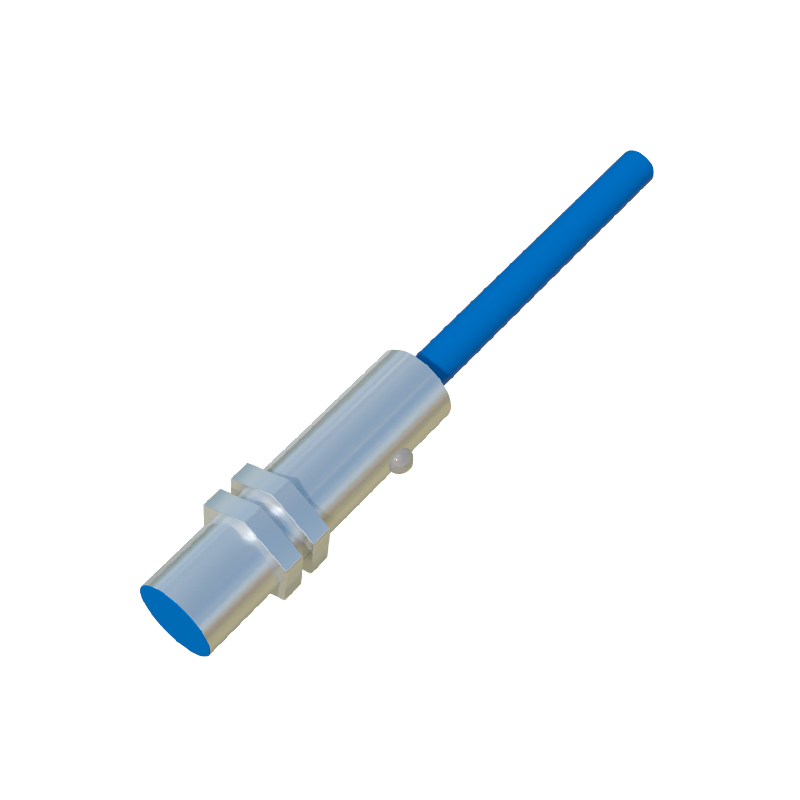
The core innovation of anti-splash proximity sensors lies in their structural design and material selection. Unlike standard proximity sensors, these devices feature hermetically sealed housings constructed from corrosion-resistant materials like stainless steel or specialized polymers. The sensing face is typically protected by a smooth, non-porous membrane or coating that prevents liquid adhesion and accumulation. This barrier allows the electromagnetic or capacitive field to penetrate while physically blocking contaminants from entering the internal components. Some advanced models incorporate hydrophobic nano-coatings that cause liquids to bead up and roll off the surface, further enhancing splash resistance.
From a technical perspective, these sensors utilize similar operating principles to conventional inductive or capacitive proximity sensors but with enhanced environmental hardening. Inductive anti-splash sensors generate an electromagnetic field to detect metallic objects, while capacitive variants can sense both metallic and non-metallic materials through dielectric constant changes. The key differentiation is their ability to ignore false triggers caused by liquid films or droplets on the sensing surface. Engineers achieve this through signal processing algorithms that distinguish between actual target objects and transient liquid interference, ensuring stable switching behavior.
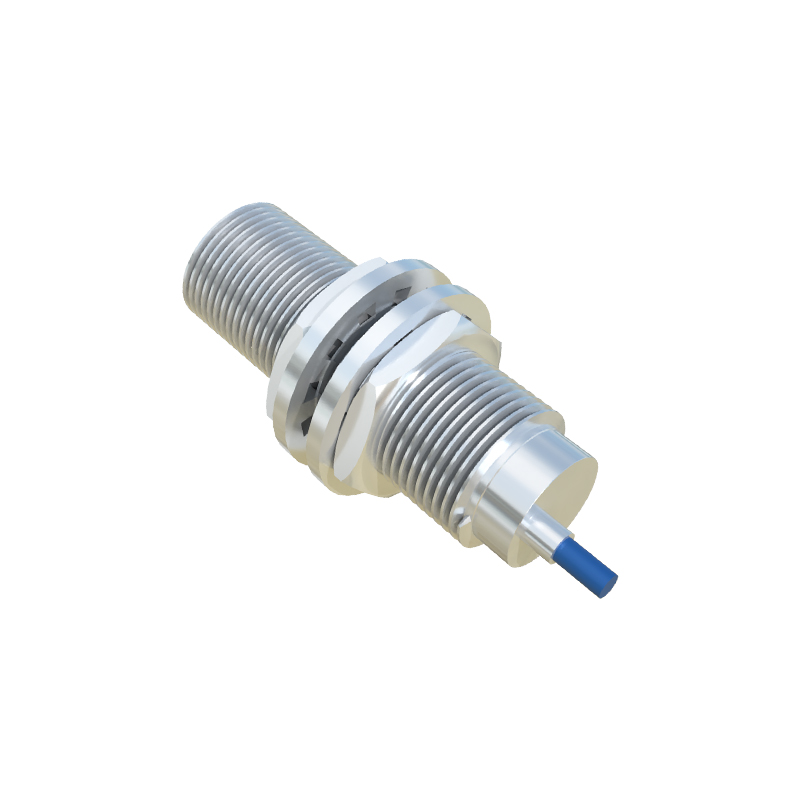
Installation and maintenance considerations are equally important for maximizing sensor longevity. Proper mounting orientation can minimize direct exposure to splash sources, and regular cleaning of the sensing surface prevents residue buildup that might attenuate signals. Many industrial-grade anti-splash sensors comply with IP67, IP69K, or NEMA ratings, certifying their resistance to high-pressure water jets, temporary immersion, and extreme temperatures. These certifications provide clear guidelines for deployment in specific hazardous conditions, helping maintenance teams select appropriate models for each application.
Real-world applications demonstrate the transformative impact of these robust sensors. In beverage bottling lines, they reliably detect containers despite constant exposure to sugary liquid splashes that would blind ordinary sensors. Automotive paint shops employ them to position vehicle bodies in spray booths where overspray accumulation is inevitable. Marine equipment manufacturers integrate anti-splash sensors into control systems that operate in saltwater splash zones, where corrosion resistance is paramount. Each scenario benefits from reduced downtime, fewer false positives, and lower maintenance costs compared to using standard sensors with external protective enclosures.
Future developments in anti-splash sensing technology focus on integrating smart diagnostics and wireless capabilities. Some next-generation sensors can self-monitor coating integrity or detect gradual performance degradation due to contamination, alerting operators before failures occur. The convergence of Industry 4.0 connectivity with hardened sensor designs promises even greater resilience in challenging environments, paving the way for fully automated processes in previously impractical wet industrial settings.
Ultimately, the adoption of anti-splash proximity sensors reflects a broader industrial trend toward purpose-built automation components. By addressing the specific challenge of liquid interference with dedicated engineering solutions, these sensors eliminate a major source of equipment malfunction. Their continued evolution will undoubtedly contribute to safer, more efficient, and more reliable industrial operations worldwide, proving that sometimes the most significant innovations come from solving the messiest problems.