In the world of automation, transportation, and industrial machinery, precise speed measurement is not just a convenience—it's a critical necessity. Speed sensors, the unsung heroes of motion control, provide the essential data that keeps systems running safely, efficiently, and reliably. These devices convert the physical motion of an object into an electrical signal that can be measured, monitored, and used for control purposes.
At their core, speed sensors detect the rotational or linear velocity of a target. The fundamental principle involves observing a change in a physical property—such as a magnetic field, an optical beam, or electrical inductance—caused by the movement of the object. The sensor then generates a corresponding output signal, typically a pulse train, analog voltage, or digital communication, where the frequency or amplitude is directly proportional to the speed.
Several major types of speed sensors dominate various industries, each with its own operating principles and ideal use cases. Magnetic or inductive sensors are among the most common. They typically consist of a permanent magnet and a coil. When a ferromagnetic target, like a gear tooth or a key on a shaft, passes near the sensor, it disrupts the magnetic field. This change induces a voltage pulse in the coil. By counting the number of pulses per unit of time, the rotational speed can be calculated. These sensors are robust, contactless, and well-suited for harsh environments with dirt, oil, or moisture, making them staples in automotive applications for measuring wheel speed (Anti-lock Braking Systems) or crankshaft position.
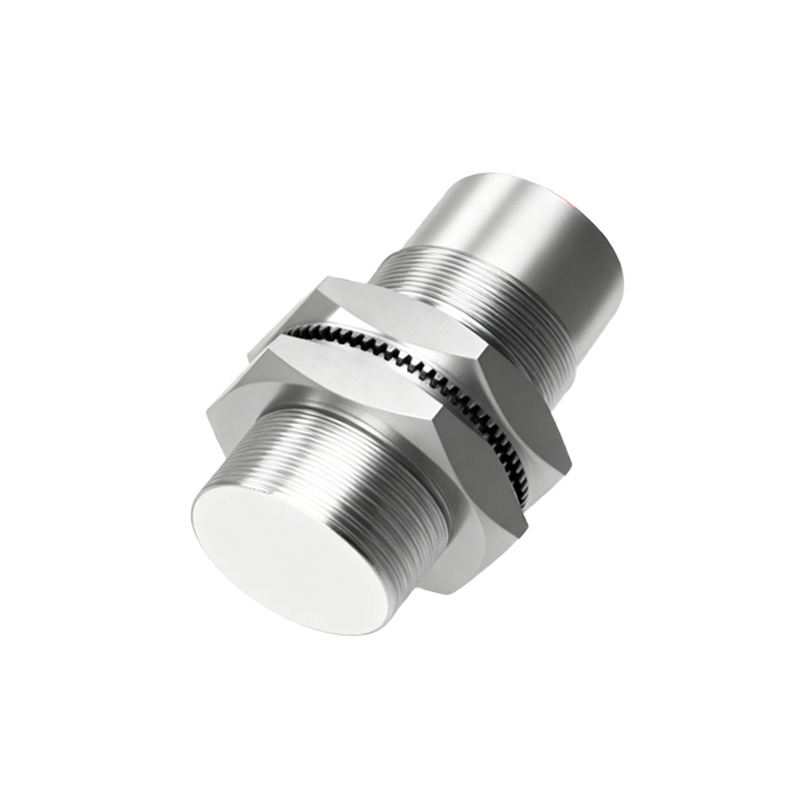
Hall effect sensors represent another prevalent magnetic technology. They detect changes in magnetic field strength using a semiconductor element. When a magnetic field is present, a voltage difference is generated across the element. By passing a rotating magnet or a ferrous target past the sensor, a digital on/off signal is created. Hall effect sensors can detect static magnetic fields, allowing them to measure zero speed, and they provide a clean digital output. They are extensively used in brushless DC motors, electric power steering, and speed sensing in automotive and consumer electronics.
Optical encoders offer extremely high resolution and accuracy. They use a light source (LED or laser) and a photodetector separated by a coded disk attached to the rotating shaft. As the disk rotates, the pattern of transparent and opaque segments interrupts the light beam, generating a series of pulses. Incremental encoders measure relative speed and position, while absolute encoders provide a unique digital code for each shaft position. Optical encoders are critical in precision applications like CNC machines, robotics, and servo motors, though they are more sensitive to contamination.
Tachogenerators are analog devices that function as small generators. As the shaft rotates, it turns a permanent magnet inside a coil (or vice versa), generating a DC voltage directly proportional to the rotational speed. Their simple, self-powered analog output is easy to interface with, but they can suffer from brush wear in mechanical versions. They are often found in older industrial drives and speed feedback systems.
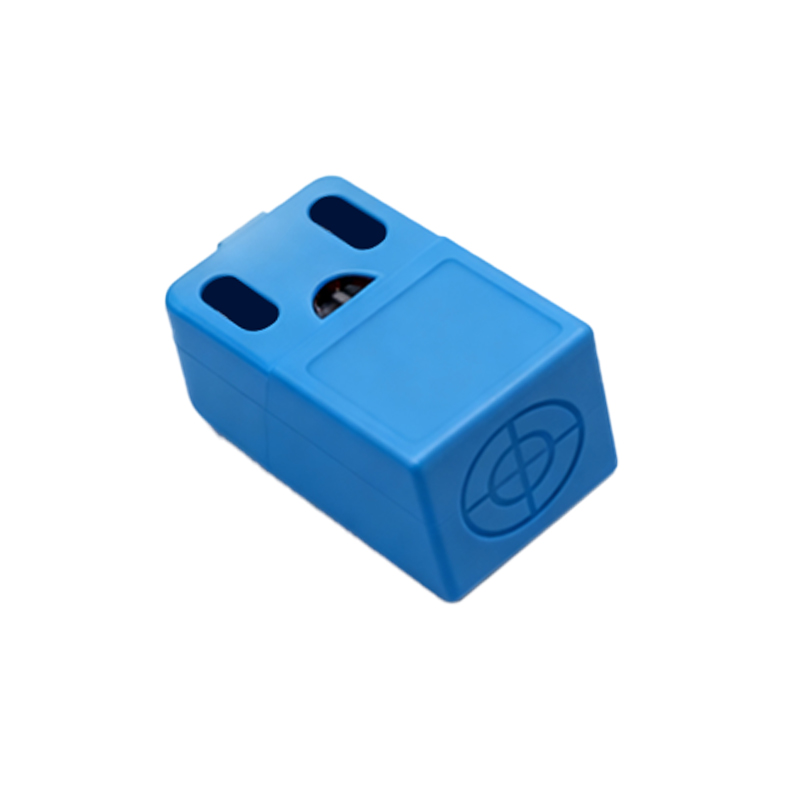
The applications of speed sensors are vast and integral to modern technology. In the automotive industry, they are the backbone of ABS, traction control, transmission control, and speedometers. In manufacturing, they regulate conveyor belt speeds, monitor motor RPMs, and ensure synchronization in assembly lines. Aerospace systems rely on them for turbine speed monitoring, while wind turbines use them to optimize blade pitch based on wind speed. Even everyday appliances like washing machines and computer cooling fans utilize speed sensors for optimal operation.
Selecting the right speed sensor involves careful consideration of several factors. The required accuracy and resolution top the list—does the application need a rough speed indication or precise control? The environmental conditions are crucial; will the sensor face extreme temperatures, vibration, dust, or fluids? The type of output signal needed (digital pulse, analog voltage, current loop, or bus communication like CAN) must match the control system's input. Finally, mounting constraints, target material, and cost play significant roles in the decision.
Installation and maintenance are key to longevity and accuracy. Proper alignment and air gap are critical for magnetic sensors. Keeping optical sensors clean from debris is essential. Regular calibration checks, especially for analog sensors like tachogenerators, help maintain system integrity. Understanding potential issues like electrical noise interference, target wear, or signal dropout at very low speeds can prevent system failures.
As technology advances, speed sensors continue to evolve. Integration with microprocessors and wireless communication is enabling smarter, networked sensors that provide not just speed data but also diagnostic information. Miniaturization is opening new applications in medical devices and micro-machinery. The demand for higher accuracy, greater robustness, and lower power consumption drives continuous innovation in sensing materials and signal processing techniques.
From ensuring a car stops safely on an icy road to maintaining the precise speed of a robotic arm on a factory floor, speed sensors are fundamental components that