Introduction to Fiber Optic Photoelectric Sensors
Fiber optic photoelectric sensors are advanced devices widely utilized in industrial automation for detecting the presence, absence, or position of objects. These sensors operate by transmitting light through optical fibers to a sensing head, where the light interacts with the target. Changes in light intensity, reflection, or transmission are then analyzed to determine object characteristics. Unlike traditional photoelectric sensors, fiber optic variants offer distinct advantages, including immunity to electromagnetic interference, ability to function in harsh environments (such as high temperatures or corrosive settings), and flexibility in installation due to their small size. They are essential in applications where precision, reliability, and durability are critical, such as in manufacturing, robotics, and safety systems. By leveraging light-based technology, these sensors provide non-contact detection, reducing wear and tear and enabling high-speed operations. This article explores the primary types of fiber optic photoelectric sensors, their working principles, and common industrial uses, offering insights for engineers and technicians in the electrical and automation fields.
Through-Beam Fiber Optic Sensors
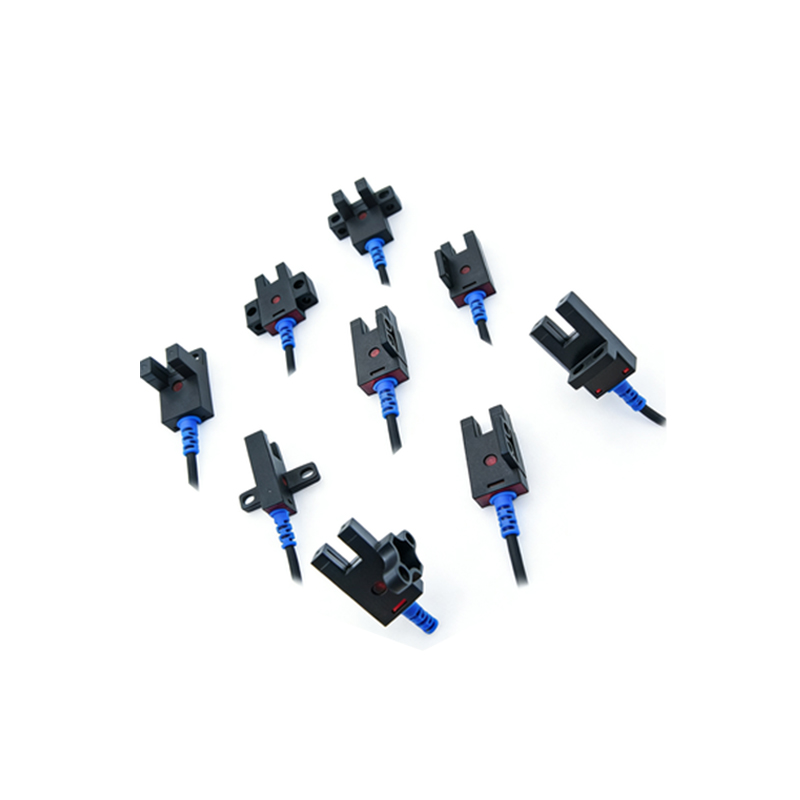
Through-beam fiber optic sensors, also known as opposed-mode sensors, consist of two separate components: a transmitter and a receiver. The transmitter emits a continuous beam of light through an optical fiber to the receiver, which is positioned opposite it. When an object passes between the transmitter and receiver, it interrupts the light beam, causing the sensor to trigger a detection signal. This type is known for its high accuracy and long sensing ranges, often exceeding several meters in industrial setups. Through-beam sensors are less affected by environmental factors like dust or color variations of the target, making them ideal for applications requiring reliable object detection, such as in conveyor systems, packaging lines, and automated assembly processes. However, they require precise alignment of the transmitter and receiver, which can be challenging in tight spaces. Engineers often choose through-beam sensors for tasks demanding consistent performance, where false triggers must be minimized.
Reflective Fiber Optic Sensors
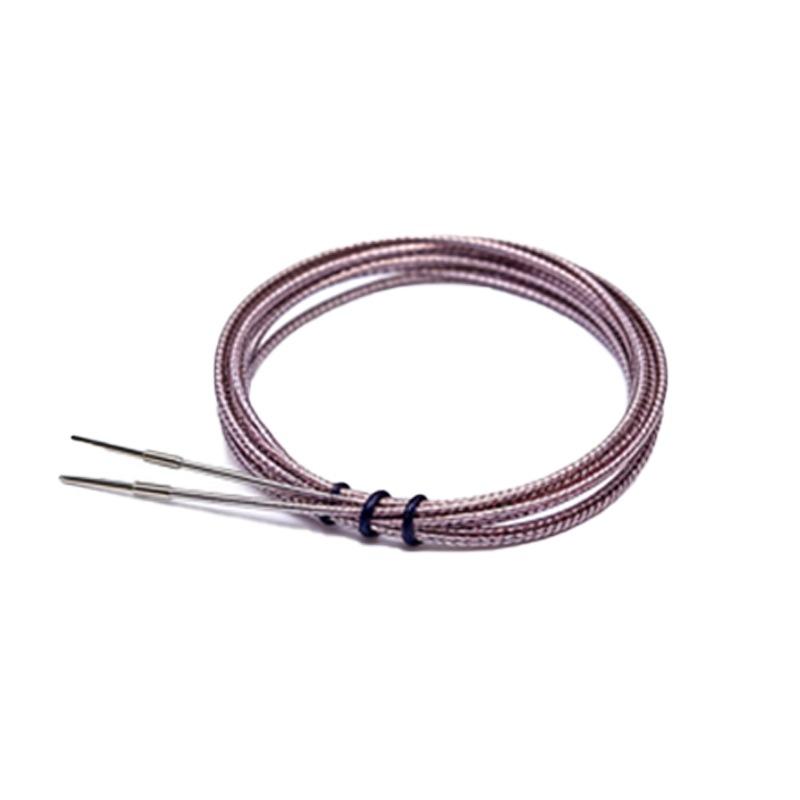
Reflective fiber optic sensors, or diffuse-reflective sensors, integrate both the transmitter and receiver into a single unit. Light is emitted from the sensor head and reflects off the target object back to the receiver. The sensor detects changes in the reflected light's intensity to identify the object's presence. These sensors are easier to install than through-beam types since they only require one mounting point, but their sensing range is typically shorter, often limited to a few centimeters. They are sensitive to factors like surface color, texture, and reflectivity, which can affect accuracy. In industrial settings, reflective sensors are commonly used for detecting objects on production lines, monitoring material levels in bins, or ensuring proper positioning in machinery. To enhance performance, some models include background suppression technology, which ignores reflections from distant objects, focusing only on targets within a specific range. This makes them versatile for varied applications, though calibration is necessary to account for different materials.
Retroreflective Fiber Optic Sensors
Retroreflective fiber optic sensors combine elements of both through-beam and reflective designs. They use a transmitter and receiver in one unit, along with a reflector (such as a prism or tape) placed opposite the sensor. Light is sent to the reflector and bounced back to the receiver; when an object interrupts this retroreflective path, detection occurs. These sensors offer a longer range than standard reflective types, often up to several meters, while maintaining simpler installation than through-beam sensors. They are less sensitive to object color or surface properties, as the reflector ensures a consistent light return. Common industrial applications include detecting transparent objects like glass or plastic, monitoring door positions in automated systems, and ensuring safety in machinery by sensing intrusions. However, they can be prone to false triggers if the reflector becomes dirty or misaligned, requiring regular maintenance. Engineers value retroreflective sensors for their balance of range and convenience in medium-duty tasks.
Fiber Optic Sensors for Specialized Applications
Beyond basic types, fiber optic photoelectric sensors include specialized variants tailored for unique industrial challenges. For example, color mark sensors detect specific color differences on objects, useful in printing or labeling processes. Luminescence sensors identify materials that glow under certain light wavelengths, aiding in quality control. Additionally, distance-measuring sensors use triangulation or time-of-flight principles to gauge object proximity, enhancing precision in robotics. These sensors often incorporate advanced features like programmable logic, digital outputs, or integration with industrial networks (e.g., Ethernet/IP or PROFINET). In harsh environments—such as high-voltage areas, explosive atmospheres, or extreme temperatures—fiber optic sensors excel due to their non-conductive and robust nature. Industries like automotive, pharmaceuticals, and energy rely on these specialized types to meet stringent safety and efficiency standards. As technology evolves, smart sensors with IoT connectivity are emerging, enabling real-time data analysis and predictive maintenance in Industry 4.0 systems.
Selection and Implementation Considerations
Choosing the right fiber optic photoelectric sensor depends on several factors, including the application's environmental conditions, target properties, required sensing range, and budget. Engineers must assess parameters like response time, light source type (e.g., LED or laser), fiber material (often glass or plastic), and output configurations. Installation involves proper alignment, securing fibers to avoid damage, and shielding from external light interference. Regular calibration and maintenance, such as cleaning lens surfaces and checking connections, ensure long-term reliability. In industrial automation, these sensors often interface with PLCs (Programmable Logic Controllers) or SCADA systems, requiring compatibility with electrical standards. Training personnel on operation and troubleshooting is crucial to maximize uptime. By understanding the strengths and limitations of each sensor type, professionals can optimize systems for productivity, reducing downtime and costs in electrical engineering projects.