Introduction to the Proximity Sensor Landscape
The global proximity sensor market represents a critical segment within the broader industrial automation and electronics ecosystem. These non-contact devices, capable of detecting the presence or absence of objects within a defined range, have become indispensable. Their applications span from simple object detection on conveyor belts to complex safety systems in automotive manufacturing and intricate user interface controls in consumer electronics. The market's growth is fundamentally driven by the relentless march of Industry 4.0, the Internet of Things (IoT), and the increasing demand for smart, efficient, and safe industrial processes. As factories become more connected and autonomous, the need for reliable, precise, and durable sensing technology has surged, making proximity sensors a hot commodity in the global trade arena.
Key Market Drivers and Growth Catalysts
Several powerful forces are propelling the expansion of the proximity sensor trade. The primary driver is the widespread adoption of industrial automation across sectors such as automotive, food and beverage, packaging, and pharmaceuticals. Manufacturers are investing heavily in automated production lines to enhance efficiency, reduce labor costs, and minimize errors, creating sustained demand for sensors. Secondly, the rise of smart factories and IIoT (Industrial Internet of Things) necessitates a dense network of sensors to collect real-time data for predictive maintenance and process optimization. Furthermore, stringent safety regulations in various industries mandate the use of safety-rated proximity sensors to protect personnel and equipment, creating a consistent, regulation-driven market segment. The automotive industry's shift towards electric and autonomous vehicles also introduces new application points, requiring advanced sensing for battery management, autonomous navigation, and enhanced user interfaces.
Dominant Technology Segments and Innovations
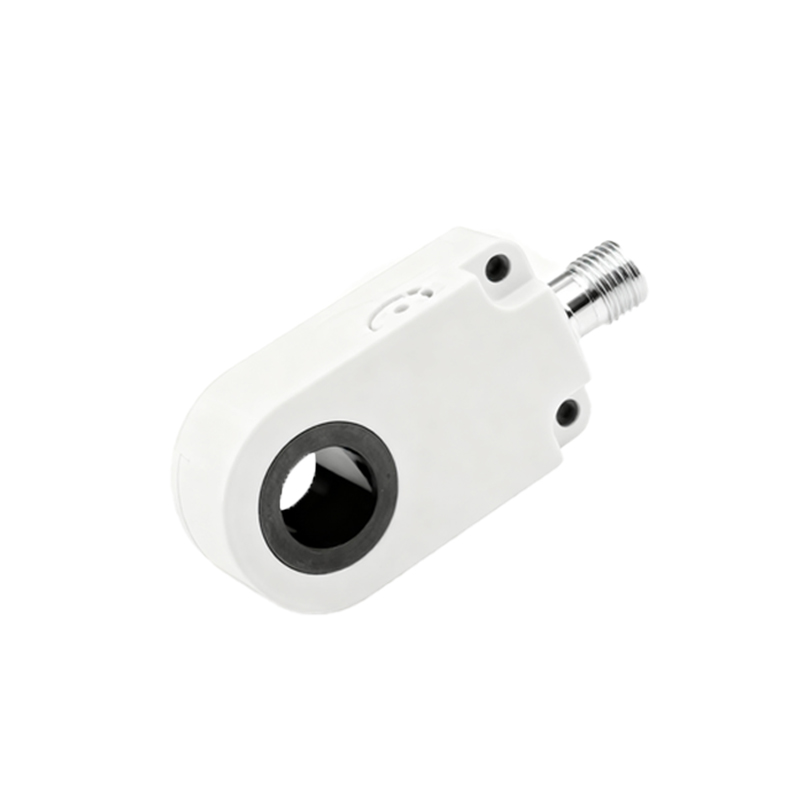
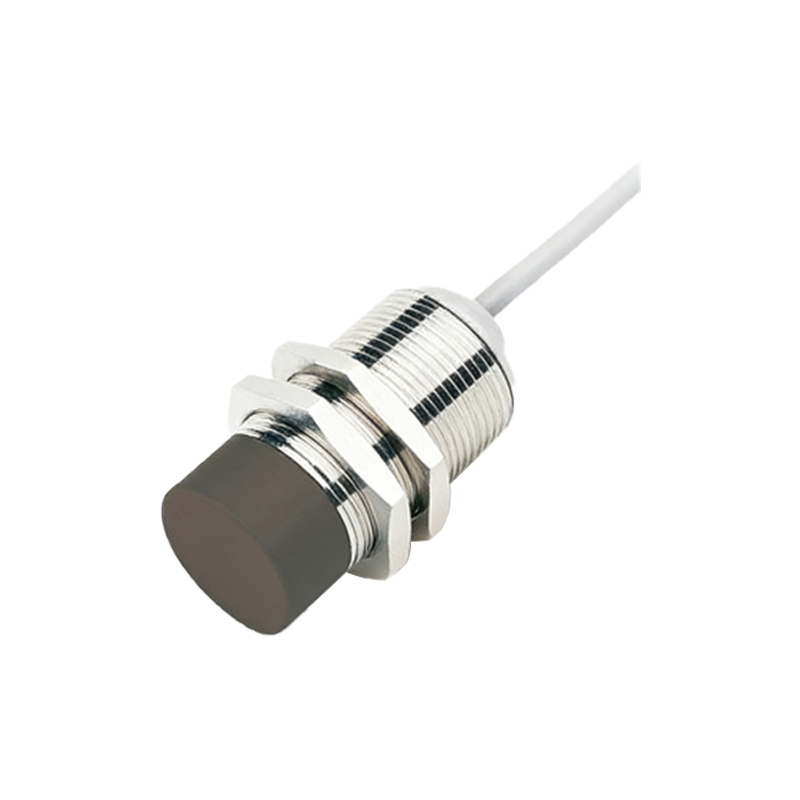
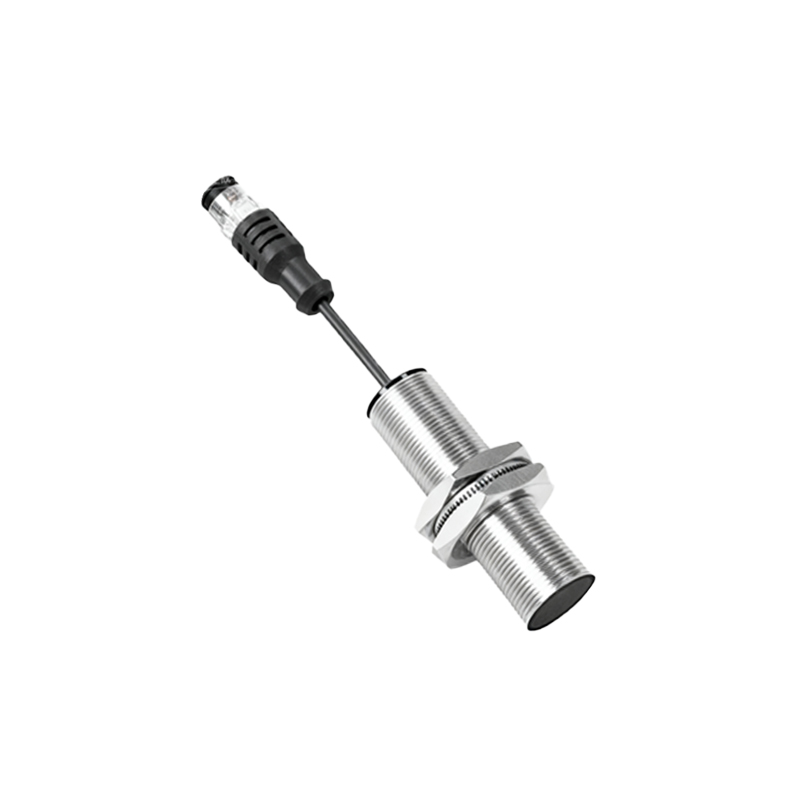
The market is segmented by technology, each with its own trade dynamics and application niches. Inductive proximity sensors, which detect metallic objects, remain the workhorse in heavy industrial environments like metalworking and machine tools. Capacitive sensors, capable of detecting both metallic and non-metallic materials, see strong demand in the packaging, food, and chemical industries. Photoelectric sensors, using light beams, are favored for longer-range detection and are widely traded for logistics, material handling, and packaging applications. Ultrasonic sensors, immune to environmental factors like dust or color, are crucial in challenging conditions. The most significant trend is the integration of advanced features like IO-Link communication, which transforms a simple sensor into a smart device capable of transmitting parameter and diagnostic data. This digitalization is adding value and reshaping trade patterns, as end-users seek intelligent, networked solutions over basic standalone units.
Global Trade Patterns and Regional Hubs
The geography of the proximity sensor trade is well-defined. Asia-Pacific, led by manufacturing powerhouses China, Japan, and South Korea, is both the largest production hub and the fastest-growing consumption market. This region's massive electronics and automotive manufacturing base drives immense volume. Europe and North America represent mature markets characterized by high-value trade; demand here is focused on advanced, reliable, and often safety-certified sensors for sophisticated automation systems. Germany, the United States, and Italy are key importers and innovators. Trade flows involve multinational sensor manufacturers with global distribution networks, regional specialists, and a growing number of online B2B platforms that facilitate cross-border transactions of both standardized and specialized sensor products. Supply chain resilience has become a major focus post-pandemic, influencing sourcing strategies and trade agreements.
Challenges and Competitive Dynamics
Despite robust growth, the market faces notable challenges. Price competition, especially from volume producers in Asia, exerts constant pressure on profit margins for standard sensor types. This compels established players to differentiate through innovation, quality, and service. The need for miniaturization, particularly for consumer electronics applications, demands continuous R&D investment. Furthermore, the interoperability of sensors within diverse automation ecosystems from vendors like Siemens, Rockwell Automation, or Omron is a critical purchasing factor, locking some trade into specific brand ecosystems. The competitive landscape is a mix of large, diversified automation conglomerates (e.g., Siemens, Schneider Electric, Omron) and nimble, technology-focused specialists competing on specific performance parameters or cost.
Future Outlook and Strategic Considerations
The future of the proximity sensor trade is inextricably linked to the evolution of smart manufacturing. The integration of Artificial Intelligence and machine learning with sensor data will create "predictive" sensors, opening new high-value market segments. Wireless and energy-harvesting sensor technologies will reduce installation costs and enable new applications, influencing future trade in retrofit markets. Sustainability concerns are also prompting development of sensors with longer lifespans and reduced environmental impact. For traders, distributors, and OEMs, success will depend on understanding these technological shifts, cultivating expertise in niche applications, and building agile