Introduction to Fire Photoelectric Sensors
Fire photoelectric sensors are critical components in modern fire detection and alarm systems. Operating on the principle of light scattering, these devices detect smoke particles by projecting a light beam into a sensing chamber. When smoke enters the chamber, it scatters the light, which is then detected by a photosensitive element, triggering an alarm. Their reliability in detecting smoldering, smoky fires makes them a staple in commercial, industrial, and residential safety protocols. For electrical engineers and system integrators, selecting the right sensor involves a deep understanding of both technical specifications and the economic factors that drive market pricing.
Key Components Influencing Sensor Price
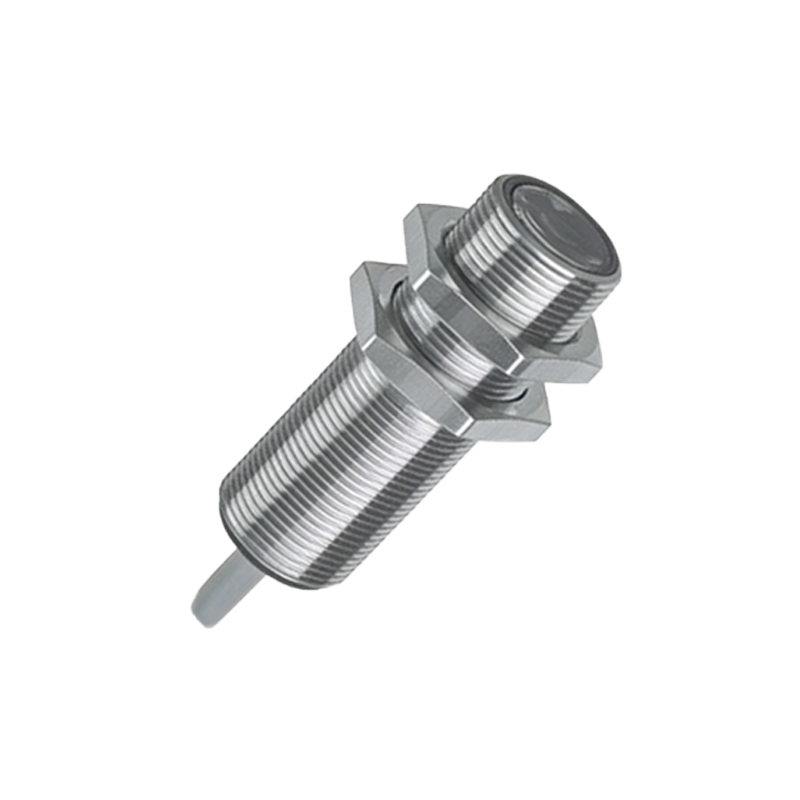
The base cost of a photoelectric smoke sensor is primarily dictated by its internal components. High-quality infrared LEDs or laser diodes, precision optical chambers, and stable photosensors (like photodiodes) form the core. Sensors utilizing laser-based light sources typically command a higher price due to their increased sensitivity and accuracy. Furthermore, the complexity of the integrated circuit that processes the signal and minimizes false alarms from dust or steam adds significant value. Advanced models incorporate microprocessors with sophisticated algorithms, directly impacting the unit cost. The housing material, whether it's standard plastic or a specialized, heat-resistant, and aesthetically designed enclosure for specific environments, also contributes to the final price point.
Performance Specifications and Price Tiers
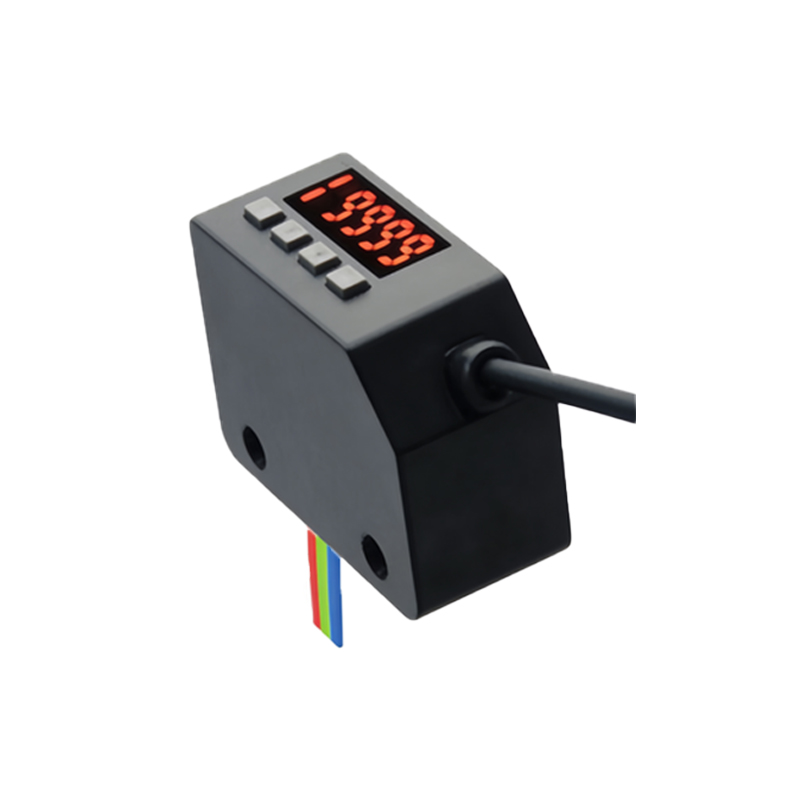
Performance metrics create clear price tiers in the market. Basic models offer standard sensitivity and are suitable for general applications. Mid-range sensors provide enhanced features such as drift compensation, which maintains sensitivity over time, and dual-wavelength detection to better distinguish between smoke and nuisance particles. The premium tier includes intelligent, addressable sensors that communicate detailed information (like contamination levels) back to a central control panel. These sensors, often part of a larger networked system like BACnet or Modbus, involve higher R&D and manufacturing costs, reflected in their price. Sensitivity range, response time, and operational temperature range are all specifications that scale with cost.
Certifications, Compliance, and Associated Costs
A major cost driver is compliance with stringent international and regional safety standards. Certifications from Underwriters Laboratories (UL), the British Approvals for Fire Equipment (BAFE), or the European Norm (EN) are not optional but mandatory for market access. The process of testing, certification, and ongoing audit compliance is expensive, and these costs are factored into the sensor's price. Sensors designed for harsh or hazardous environments requiring ATEX or IECEx certifications for explosive atmospheres will see a substantial price increase due to the specialized design and testing protocols involved.
Brand Reputation and Market Positioning
Brand equity plays a significant role in pricing. Established manufacturers with decades of proven reliability and extensive global service networks (e.g., Siemens, Honeywell, Apollo) can command premium prices. Customers pay for peace of mind, technical support, warranty services, and the assurance of long-term product availability. Conversely, newer or generic brands may offer lower prices to penetrate the market, though often at the perceived trade-off of long-term reliability or support depth. The brand's positioning—whether targeting high-end commercial projects or the DIY residential market—directly influences its pricing strategy.
Quantity, Supply Chain, and Integration Expenses
Unit price is highly sensitive to order volume, with substantial discounts available for bulk purchases by original equipment manufacturers (OEMs) or large contractors. Global supply chain dynamics, including the cost of raw materials like semiconductors and plastics, and logistical challenges, cause price fluctuations. Furthermore, the total cost of ownership extends beyond the unit price. It includes installation labor, commissioning time, and integration effort with existing fire alarm control panels (FACPs). A sensor that is easier to install and configure may have a higher upfront cost but lower total project expense.
Future Trends Impacting Cost Structures
The integration of the Internet of Things (IoT) is shaping future pricing models. Smart photoelectric sensors with built-in connectivity for data analytics, predictive maintenance alerts, and cloud monitoring are emerging. These features increase manufacturing costs but can offer long-term savings through optimized maintenance schedules. Additionally, a growing emphasis on eco-friendly designs and recyclable materials may influence costs. As production volumes for advanced features increase, prices may stabilize or decrease for certain technologies, while new innovations will create new premium segments.
Conclusion and Procurement Advice
Selecting a fire photoelectric sensor should never be based on price alone. A holistic cost-benefit analysis considering the application environment, required certifications, total cost of installation, and expected lifecycle is crucial. Engineers should specify sensors that match the risk profile of the protected asset. Investing in reliable, certified sensors from reputable suppliers mitigates liability and ensures system integrity. Always request detailed quotations that break down costs for sensors, bases, and any necessary accessories, and consider the long-term value of support and reliability over initial savings.