Introduction to Counting Proximity Sensors
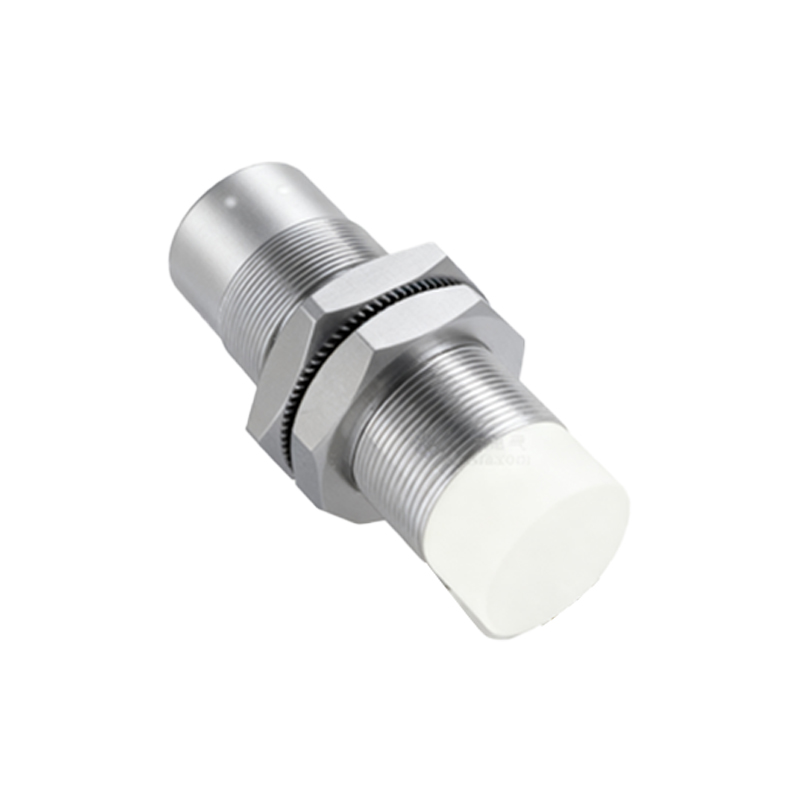
Proximity sensors with integrated counting functions represent a significant advancement in industrial automation and process control. These sophisticated devices combine the non-contact detection capabilities of standard inductive, capacitive, or photoelectric proximity sensors with an onboard microprocessor and counter logic. This integration allows them to not only sense the presence or absence of an object but also to tally occurrences, monitor production rates, and trigger actions based on predefined numerical thresholds. The counting functionality is typically programmable, enabling customization for diverse applications such as assembly line part verification, packaging unit control, and traffic flow monitoring in material handling systems. By eliminating the need for a separate external counter and its associated wiring, these sensors streamline system architecture, reduce potential failure points, and lower overall installation and maintenance costs.
Core Technology and Operating Principles
The fundamental operation hinges on the primary sensing technology—inductive for metals, capacitive for various materials including liquids, or photoelectric for long-range detection. Each detection event generates a clean, debounced pulse. The sensor's internal microcontroller processes this pulse, applying user-configured parameters like count direction (increment/decrement), reset conditions, and output logic. Advanced models feature dual programmable switching outputs. One output might indicate the simple presence of an object (the standard proximity function), while the second is dedicated to the counting function, activating when the count reaches a set value. For instance, Output 1 could be configured as a standard Normally Open (NO) signal, and Output 2 could be set to close once every 50 detected objects, perfect for batching operations. Communication interfaces like IO-Link are increasingly common, allowing for remote configuration, real-time data readout of the current count, and diagnostic information.
Key Advantages in Industrial Settings
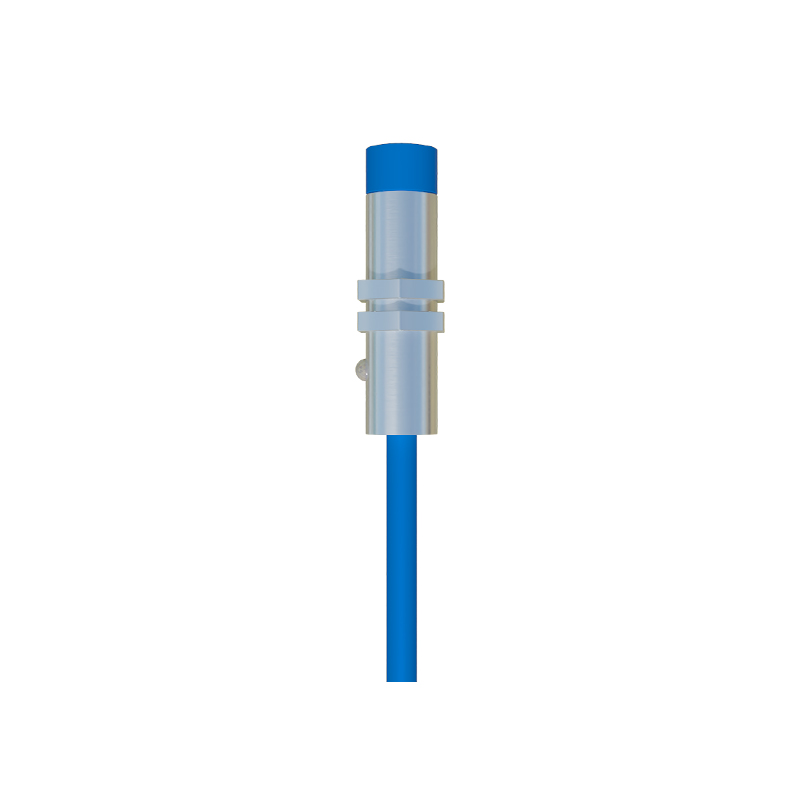
Implementing proximity sensors with counting capabilities offers several compelling benefits. Space savings is a primary advantage, as a single compact device replaces a sensor-plus-counter setup. This is crucial in modern machinery with high component density. Reliability is enhanced by minimizing inter-device wiring and connections, which are common sources of electrical noise and failure. The integrated design often provides improved response times and filtering options to ignore vibration or debris, ensuring count accuracy in harsh environments. From a data acquisition perspective, these sensors serve as intelligent nodes, providing valuable production data directly from the point of action. This facilitates predictive maintenance, as trends in count rates can indicate machine wear or process deviations before they cause downtime or quality issues.
Programming and Configuration Methods
Configuration methods vary by manufacturer and model but generally fall into three categories. The simplest units use teach-in buttons or DIP switches on the housing for setting basic count values and output modes. More flexible sensors employ a separate handheld programmer or a magnetic programming tool, allowing adjustment of parameters like count preset, time delays, and output behavior without opening the control cabinet. The most advanced method is via software through a digital interface like IO-Link. This enables integration with the PLC or SCADA system, allowing for dynamic parameter changes based on production recipes, detailed logging of count history, and centralized management of all sensors on a line. The choice depends on the required flexibility, the number of sensors, and the level of system integration.
Typical Application Examples
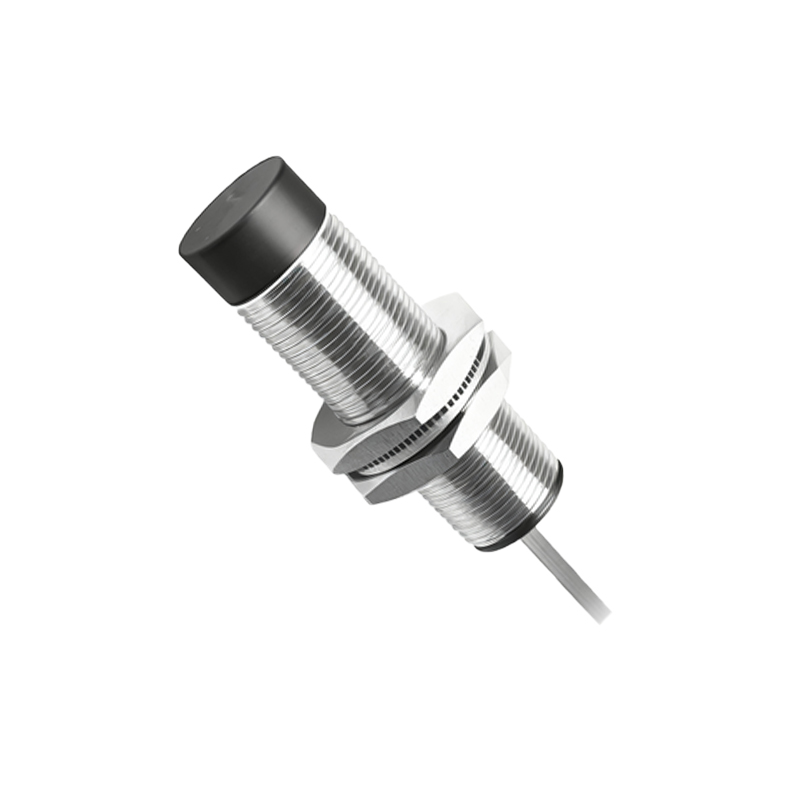
The applications for counting proximity sensors are vast across manufacturing and logistics. In automotive assembly, they can count specific components like bolts fed to a robotic cell, ensuring the correct quantity is delivered before a cycle begins. On packaging lines, they verify the number of items per case, triggering a diverter or alert if the count is incorrect. In metal stamping, they monitor the output of presses, providing production totals and signaling for tool maintenance after a certain number of cycles. They are also used in warehouse automation to count parcels on conveyor sorters and in the pharmaceutical industry to control the filling of vials or blister packs. Their robustness makes them suitable for dirty, wet, or high-vibration environments where optical counters might fail.
Selection Criteria and Best Practices
Selecting the right sensor requires careful consideration of several factors. First, choose the underlying sensing technology (inductive, capacitive, photoelectric) based on the target material and environmental conditions. Next, determine the required sensing range and mounting constraints. For the counting function, key specifications include maximum counting speed (in Hertz), the capacity of the counter (e.g., 32-bit), and the number and type of configurable outputs (PNP/NPN, relay). Environmental ratings like IP67 for dust and water ingress protection are often essential. Best practices for installation involve ensuring stable mounting to prevent false triggers, maintaining an adequate margin between the actual sensing distance and the sensor's rated range, and properly shielding cables in electrically noisy areas. Regular verification of count accuracy against a known