Introduction to Pin-Type Photoelectric Sensors
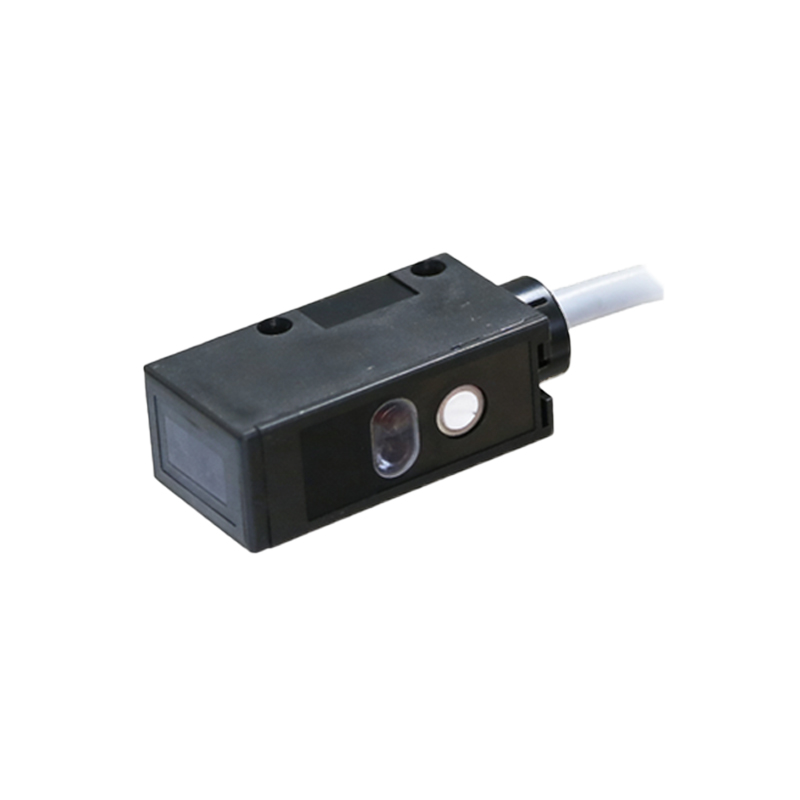
Pin-type photoelectric sensors, also known as through-beam sensors, are widely utilized in industrial automation for object detection, positioning, and counting. These sensors consist of two separate components: a transmitter and a receiver. The transmitter emits a focused beam of light, typically infrared or visible red, which is directly received by the receiver unit. When an object interrupts this light beam, the sensor triggers a signal change, indicating the presence or absence of the target. Their design allows for precise detection over relatively long distances, making them a staple in manufacturing lines, packaging machinery, and safety systems. Due to their straightforward operating principle, they offer high reliability in various environmental conditions, though their performance can be influenced by factors like alignment, ambient light, and material transparency.
Key Advantages of Pin-Type Photoelectric Sensors
One of the primary advantages of pin-type photoelectric sensors is their long sensing range. Compared to other photoelectric sensor types, such as diffuse-reflective or retro-reflective models, through-beam sensors can detect objects at distances exceeding 10 meters in some models, providing flexibility in industrial setups. Additionally, they exhibit high accuracy and stability. Since the light beam travels directly from transmitter to receiver, there is minimal interference from surface color, texture, or reflectivity of the target object. This makes them ideal for detecting small, fast-moving, or low-contrast items on production lines. Another benefit is their resistance to environmental contaminants like dust, smoke, or moisture, as the focused beam is less prone to scattering. Furthermore, these sensors typically have a fast response time, enabling high-speed detection in applications requiring rapid throughput, such as bottling plants or conveyor systems.
Limitations and Disadvantages
Despite their strengths, pin-type photoelectric sensors have several drawbacks. The most significant limitation is the requirement for precise alignment between the transmitter and receiver. Any misalignment, even minor, can lead to false triggers or failure to detect objects, necessitating regular maintenance and calibration, especially in vibrating or shifting environments. Installation can be more complex and costly compared to single-unit sensors, as two separate components must be mounted and wired, increasing setup time and expenses. Additionally, these sensors may struggle with transparent or translucent objects, such as glass or plastic films, which might allow light to pass through without interruption, causing detection errors. Ambient light interference, particularly from strong sources like sunlight or industrial lighting, can also affect performance if not properly shielded. Lastly, their through-beam design requires an unobstructed path, which may not be feasible in space-constrained applications.
Comparison with Other Photoelectric Sensor Types
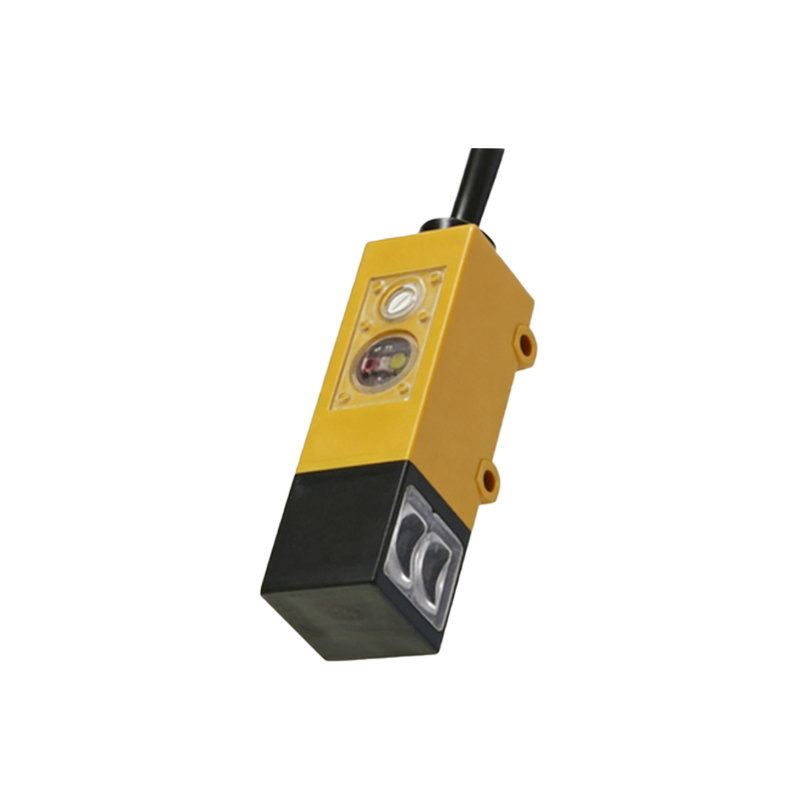
When evaluating pin-type sensors against alternatives, it's essential to consider specific use cases. Diffuse-reflective sensors, which combine transmitter and receiver in one housing, are easier to install and suitable for detecting objects at shorter ranges, but they are more affected by surface properties and ambient conditions. Retro-reflective sensors use a reflector to bounce light back, offering moderate ranges but can be fooled by shiny objects. In contrast, pin-type sensors provide superior range and accuracy but demand more careful installation. For example, in high-speed packaging where objects vary in color, through-beam sensors ensure consistent detection, whereas in dusty environments like mining, their focused beam reduces false alarms. However, for applications with limited space or where alignment is challenging, diffuse models might be preferred despite their shorter range.
Best Practices for Implementation and Maintenance
To maximize the benefits of pin-type photoelectric sensors, follow industry best practices. During installation, ensure secure mounting of both transmitter and receiver on stable surfaces to prevent misalignment from vibrations. Use alignment tools or indicators provided by manufacturers to achieve optimal beam positioning. Regular maintenance should include cleaning lenses to prevent buildup of dirt or debris, which can attenuate the light signal. In environments with high ambient light, employ sensors with modulated light sources or protective housings to minimize interference. For detecting transparent objects, consider sensors with polarized filters or adjustable sensitivity settings. Additionally, integrate these sensors with control systems that allow for monitoring signal strength, enabling proactive adjustments before failures occur. By adhering to these guidelines, users can enhance reliability and extend the operational lifespan of the sensors in demanding industrial settings.
Future Trends and Innovations
The evolution of pin-type photoelectric sensors continues with advancements in technology. Modern sensors are incorporating features like IO-Link communication for real-time data exchange and diagnostics, improving predictive maintenance capabilities. Enhanced materials for lenses and housings are increasing durability in harsh conditions, such as extreme temperatures or corrosive atmospheres. There is also a trend toward miniaturization, allowing for more compact designs that fit into tighter spaces without sacrificing performance. Furthermore, integration with smart factory systems and IoT platforms enables remote monitoring and adjustment, reducing downtime. As industries adopt more automated and precise processes, pin-type sensors are likely to see improvements in energy efficiency, detection accuracy for challenging materials, and ease of alignment through automated calibration systems, solidifying their role in future industrial automation.