Introduction to U-Series Photoelectric Sensors
U-Series photoelectric sensors represent a significant advancement in industrial sensing technology, designed to meet the rigorous demands of modern automation environments. These sensors utilize light beams to detect the presence, absence, or distance of objects, offering high precision and reliability across diverse applications. Engineered with robust materials and advanced optical components, U-Series sensors excel in challenging conditions, including areas with high levels of dust, moisture, or vibration. Their versatility makes them indispensable in sectors such as manufacturing, packaging, material handling, and automotive assembly, where consistent performance is critical for operational efficiency and safety.
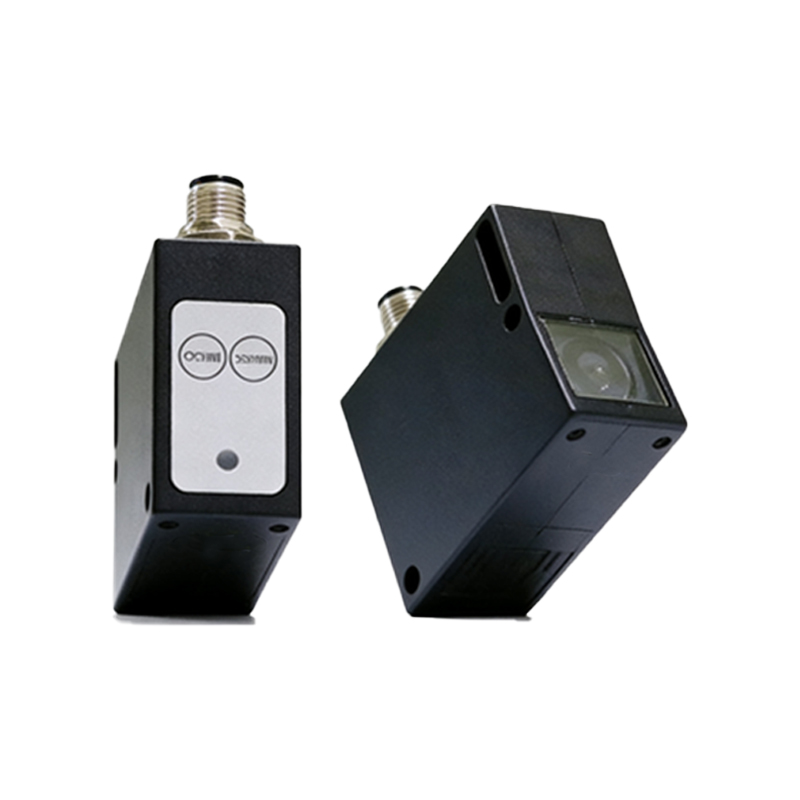
Core Technologies and Operating Principles
The operational foundation of U-Series photoelectric sensors lies in three primary detection methods: through-beam, retro-reflective, and diffuse reflective. Through-beam sensors consist of separate emitter and receiver units, providing long-range detection with high accuracy by measuring the interruption of a light beam. Retro-reflective models employ a reflector to bounce light back to the receiver, ideal for detecting objects that may not be directly in line. Diffuse reflective sensors integrate the emitter and receiver into a single housing, detecting objects based on the reflection of light from the target surface itself. U-Series sensors often incorporate modulated infrared or visible LED light sources to minimize interference from ambient light, ensuring stable readings even in variable lighting conditions. Advanced models may feature background suppression or foreground suppression technologies, allowing precise detection regardless of object color or reflectivity.
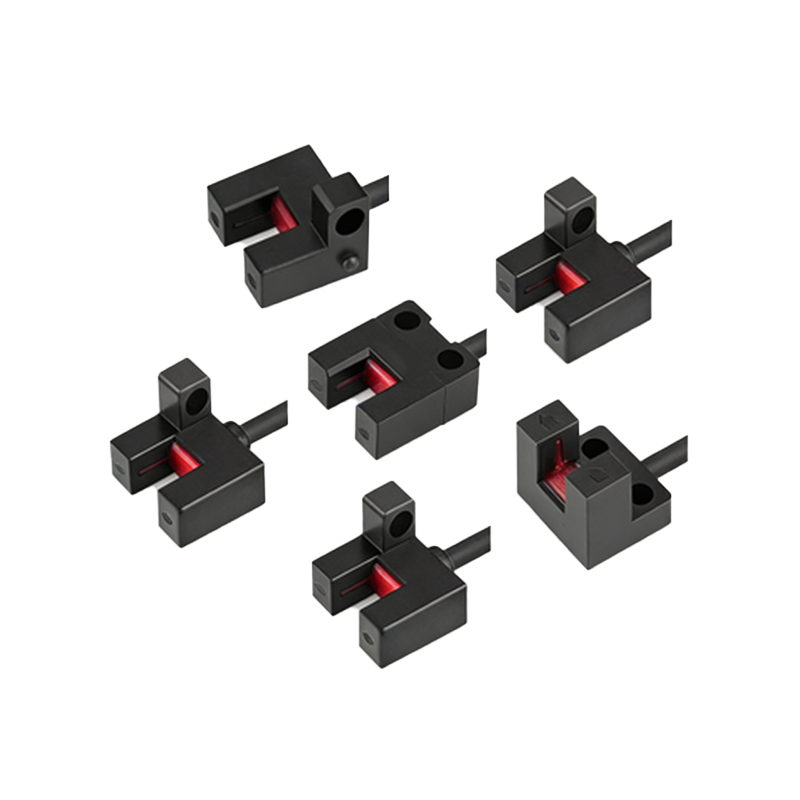
Key Features and Performance Specifications
U-Series photoelectric sensors are distinguished by their exceptional performance characteristics. Typical specifications include sensing ranges extending up to several meters, with response times in the microsecond range, enabling high-speed detection in fast-paced production lines. They offer various output options, such as NPN, PNP, analog, or IO-Link, facilitating seamless integration with PLCs and control systems. Many units are built with IP67 or higher ingress protection ratings, ensuring durability against water, oil, and particulate intrusion. Additional features often include adjustable sensitivity, teach-in functions for easy setup, and built-in diagnostics like stability indicators or alarm outputs. These sensors are designed for easy installation with standardized mounting brackets and compact housings, reducing downtime during maintenance or reconfiguration.
Application Scenarios in Industrial Settings
In practical industrial applications, U-Series photoelectric sensors perform critical roles. On conveyor systems, they detect product position, count items, or monitor jam conditions, optimizing flow and preventing bottlenecks. In packaging machinery, sensors ensure precise filling levels, label placement, and seal integrity by verifying the presence of containers or materials. Automotive assembly lines utilize them for part verification, robot guidance, and safety curtain monitoring, enhancing both precision and worker protection. They are also employed in warehouse automation for pallet detection, sorting, and inventory management, contributing to efficient logistics operations. Their ability to function reliably in harsh environments—such as foundries, food processing plants, or outdoor installations—makes them a preferred choice for engineers seeking long-term, maintenance-free solutions.
Advantages Over Conventional Sensing Solutions
Compared to traditional mechanical switches or other sensor types, U-Series photoelectric sensors offer numerous advantages. Their non-contact nature eliminates wear and tear, leading to longer service life and reduced maintenance costs. They provide faster response times and higher accuracy, essential for modern high-speed automation. The flexibility in detection modes allows customization for specific tasks, improving system adaptability. Energy-efficient designs with low power consumption align with sustainability goals, while advanced communication capabilities enable predictive maintenance and data collection for Industry 4.0 initiatives. By minimizing false triggers and offering consistent performance, these sensors enhance overall system reliability, reducing downtime and improving productivity.
Selection and Installation Best Practices
Selecting the appropriate U-Series sensor requires careful consideration of application parameters. Engineers should evaluate factors such as sensing distance, object size and material, environmental conditions (temperature, humidity, contaminants), and required output signals. It is crucial to choose the correct detection mode—through-beam for maximum range and reliability, retro-reflective for easier alignment, or diffuse reflective for direct detection without a separate reflector. During installation, proper alignment of emitter and receiver units is essential to avoid signal loss; using alignment tools or indicators can simplify this process. Mounting should secure the sensor against vibration, and wiring must follow manufacturer guidelines to prevent electrical interference. Regular testing and calibration, especially in dynamic environments, help maintain optimal performance over time.
Future Trends and Innovations
The evolution of U-Series photoelectric sensors continues to align with emerging industrial trends. Future developments may include enhanced connectivity with IoT platforms, enabling real-time monitoring and analytics for smart factory applications. Miniaturization efforts will likely produce even smaller form factors without compromising performance, allowing integration into compact machinery. Improvements in energy harvesting technology could lead to wireless, battery-free sensors, simplifying installation in remote areas. Advances in optics and signal processing may offer higher resolution and multi-object detection capabilities, expanding use in complex robotic systems. As industries increasingly prioritize sustainability, next-generation sensors are expected to feature eco-friendly materials and further reductions in power consumption, supporting global environmental objectives while maintaining the high standards of reliability that define the U-Series lineage.