Introduction to Proximity Sensor Technology
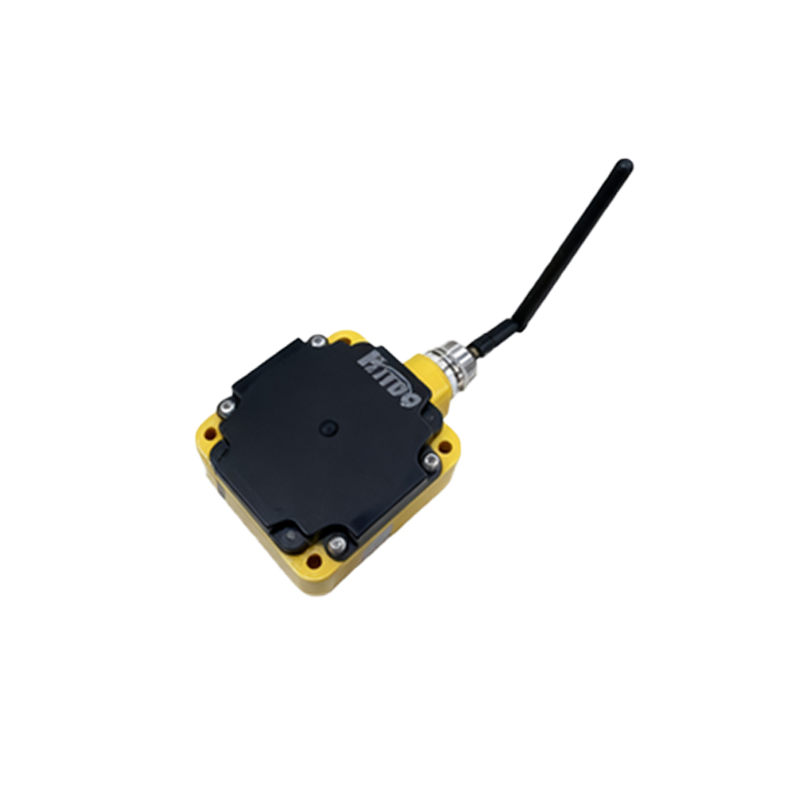
Proximity sensors are pivotal components in modern industrial automation, enabling non-contact detection of objects within a defined range. These devices operate on various principles, including inductive, capacitive, ultrasonic, and optical methods, each tailored to specific applications. By emitting an electromagnetic field or beam, they detect the presence or absence of targets without physical contact, which is crucial in environments where contamination, wear, or precision is a concern. Their integration into machinery, robotics, and safety systems has revolutionized manufacturing processes, enhancing efficiency and reliability. This analysis delves into the core advantages and disadvantages of proximity sensors, providing a comprehensive diagrammatic overview for engineers and industry professionals to inform selection and implementation decisions.
Key Advantages of Proximity Sensors
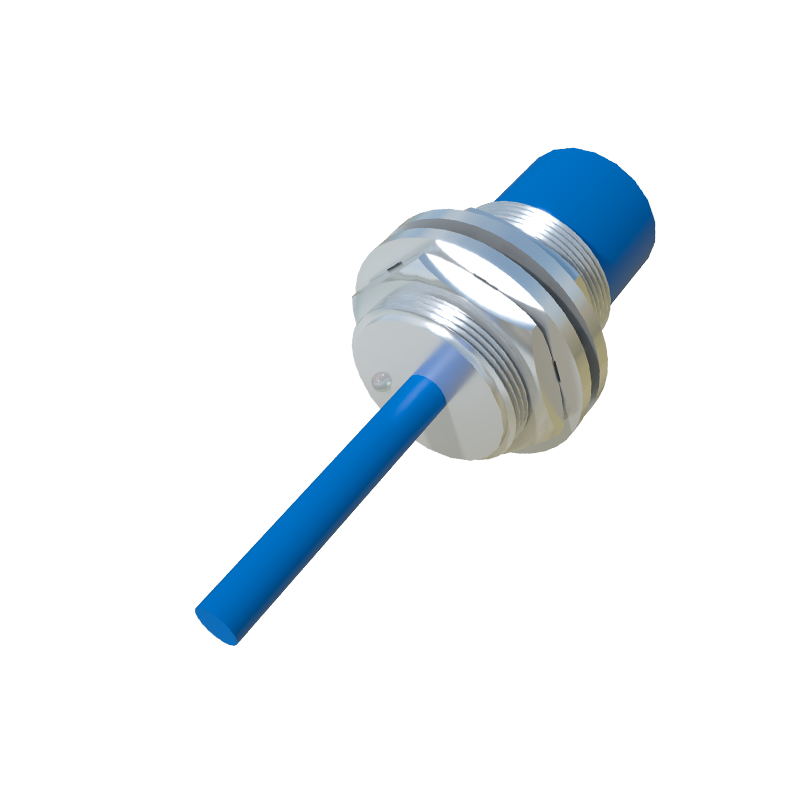
One of the primary benefits of proximity sensors is their non-contact operation, which eliminates mechanical wear and tear, leading to longer service life and reduced maintenance costs. They offer high-speed response times, often in milliseconds, making them ideal for fast-paced production lines where real-time detection is essential. Additionally, these sensors are highly reliable in harsh conditions, such as exposure to dust, moisture, or extreme temperatures, as they lack moving parts that could fail. Their ability to detect a wide range of materials, including metals, plastics, and liquids, adds to their versatility. Furthermore, proximity sensors provide precise and repeatable measurements, ensuring consistent performance in quality control and positioning tasks, which boosts overall system accuracy and productivity.
Common Disadvantages and Limitations
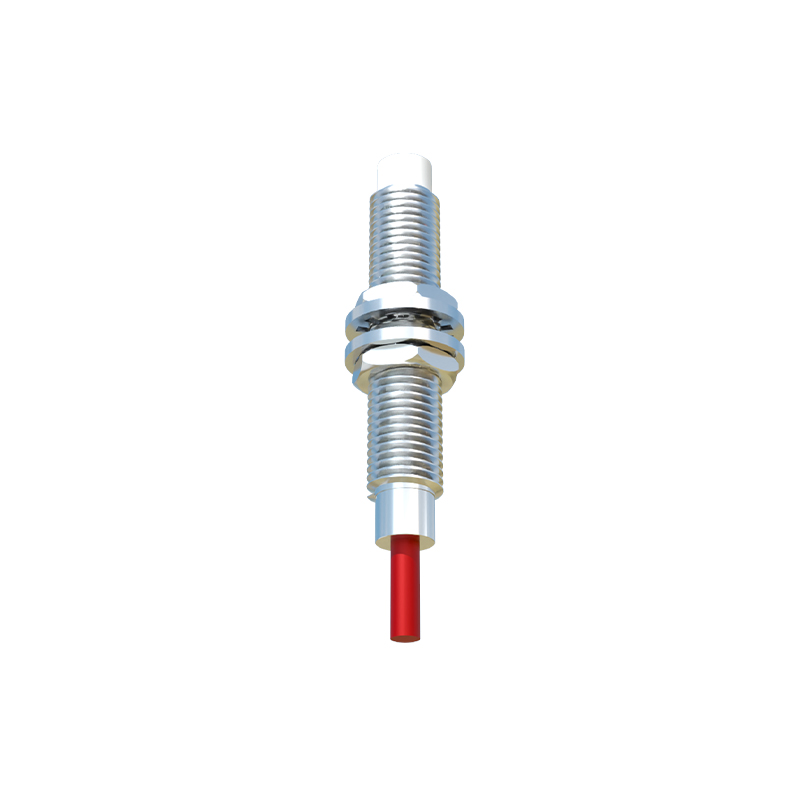
Despite their strengths, proximity sensors have notable drawbacks that must be considered. Their detection range is often limited, typically ranging from a few millimeters to several centimeters, which may restrict their use in applications requiring long-distance sensing. Environmental factors, such as electromagnetic interference or ambient light, can affect accuracy, particularly for inductive and optical types. Some sensors are material-specific; for instance, inductive sensors only detect metallic objects, limiting their applicability in diverse settings. Cost can be a barrier, as high-precision or specialized models may be expensive compared to mechanical alternatives. Additionally, installation and calibration require technical expertise to avoid misalignment or false triggers, potentially increasing setup time and complexity.
Analysis Diagram: Pros and Cons Overview
A visual analysis diagram effectively summarizes the trade-offs of proximity sensors. On the advantages side, the diagram highlights categories like durability (due to non-contact design), speed (fast response), environmental resilience (suitable for tough conditions), versatility (multiple material detection), and precision (accurate readings). Each category includes specific examples, such as reduced downtime from wear or improved safety in automated systems. On the disadvantages side, the diagram outlines limitations such as range constraints, sensitivity to interference, material restrictions, higher initial costs, and installation challenges. This graphical representation aids engineers in quickly assessing whether a proximity sensor aligns with their project requirements, facilitating informed decision-making during the design phase.
Applications and Selection Criteria
Proximity sensors find extensive use across industries, including automotive manufacturing for part detection, packaging for object counting, and robotics for obstacle avoidance. When selecting a sensor, engineers should evaluate factors like the target material, required sensing distance, environmental conditions, and budget. For example, capacitive sensors are preferred for non-metallic objects, while ultrasonic types excel in longer ranges. It's crucial to balance the advantages against the disadvantages; in high-speed assembly lines, the benefit of fast response may outweigh cost concerns, whereas in low-budget projects, simpler mechanical switches might suffice. Consulting the analysis diagram can streamline this process, ensuring optimal sensor choice for enhanced system performance and reliability.
Future Trends and Conclusion
The future of proximity sensors is shaped by advancements in miniaturization, smart connectivity, and enhanced durability. Innovations like IoT integration allow for real-time monitoring and predictive maintenance, further leveraging their advantages while mitigating disadvantages through improved design. As industries embrace Industry 4.0, the demand for more adaptive and cost-effective sensors will grow. In conclusion, proximity sensors offer significant benefits in automation but come with inherent limitations. By referring to a detailed advantages and disadvantages analysis diagram, professionals can navigate these trade-offs effectively, driving innovation and efficiency in electrical and industrial engineering projects.