Introduction to Transparent Film Detection Challenges
Detecting transparent materials, such as thin films, glass, or clear plastics, presents a significant challenge in industrial automation. Standard photoelectric sensors, which rely on the reflection or interruption of light, often fail because these materials allow most light to pass through. This leads to production errors, material waste, and machine downtime. The core issue lies in the material's low optical density and high light transmittance, making it nearly invisible to conventional diffuse or through-beam sensors. Industries like packaging, printing, and electronics manufacturing require precise detection of these films for processes like web guiding, splice detection, or presence verification on production lines. Without reliable sensing, ensuring product quality and process continuity becomes impossible.
Working Principle of Specialized Transparent Film Sensors
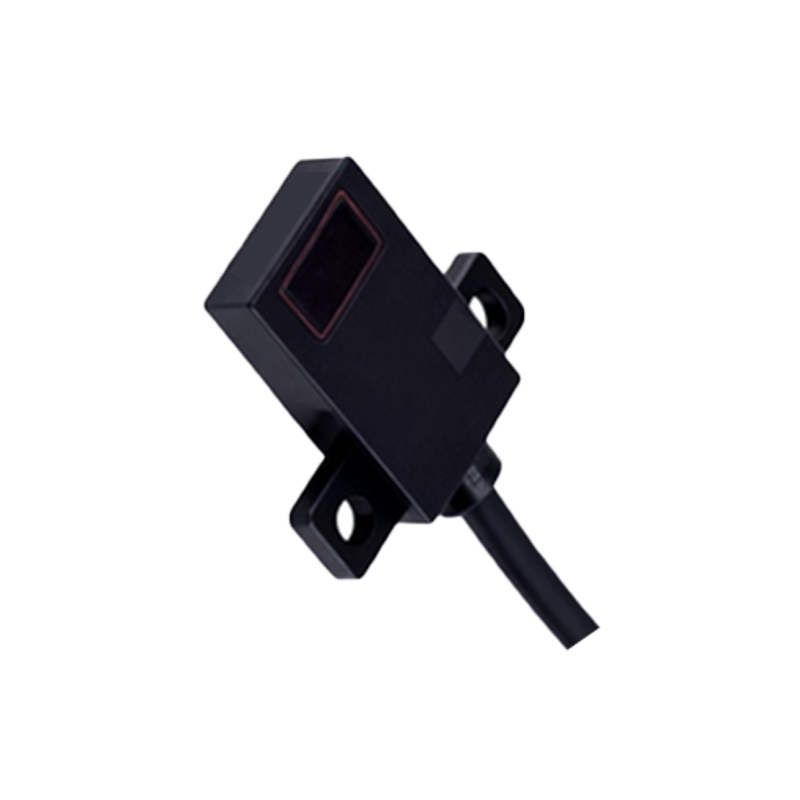
Specialized photoelectric sensors for transparent film detection overcome these limitations through advanced optical techniques. Unlike standard models, they often utilize polarized retro-reflective or convergent beam sensing methods. A common approach involves using a polarized light source. The sensor emits polarized light towards a dedicated reflector. When a transparent film passes between the sensor and reflector, the film's surface slightly depolarizes the reflected light. The sensor's receiver, equipped with a polarizing filter, detects this subtle change in the light's polarization state rather than just a drop in intensity. Another method employs a highly focused, convergent beam. The sensor is calibrated to detect the minute refraction or reflection that occurs when the transparent film intersects the precise focal point of the beam. This allows it to distinguish the film from empty space.
Key Technologies and Sensor Types
Several specific sensor technologies are engineered for this task. Polarized Retro-reflective Sensors are the most prevalent. They work with a corner-cube reflector and are excellent for detecting clear films, even if they are wet or wrinkled. Convergent Beam Sensors, also known as fixed-focus or background suppression sensors, create a very precise sensing point at a specific distance. They can detect extremely thin films by sensing the slight reflection off the film's surface and ignoring the background. Additionally, some high-end models use Luminescence Sensors. These sensors emit UV light, causing certain transparent materials (like PET films with optical brighteners) to fluoresce. The sensor then detects this emitted visible light, providing a highly reliable signal regardless of the film's transparency to visible light.
Critical Application Considerations
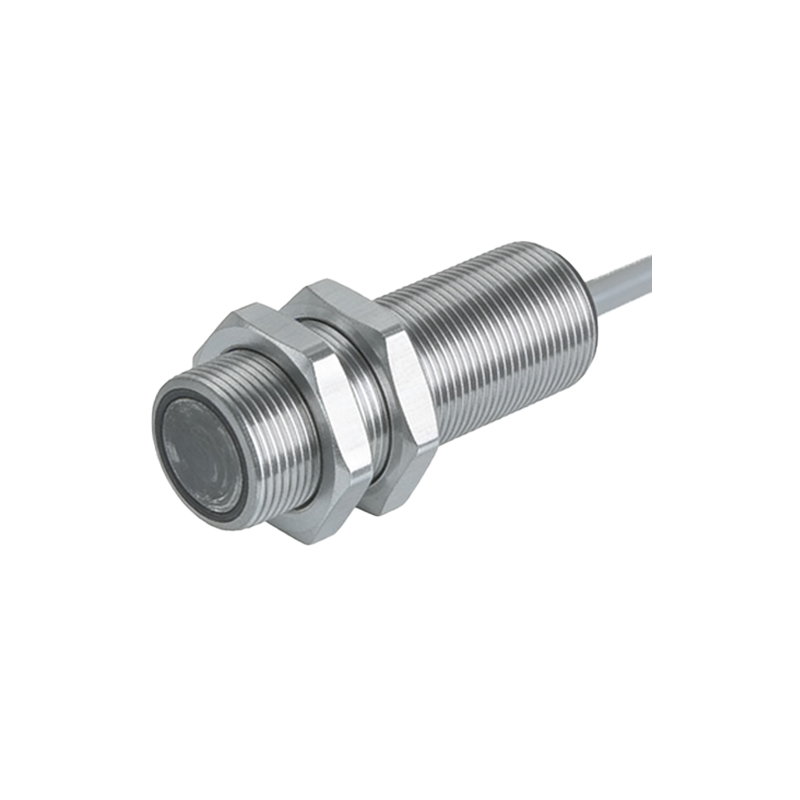
Selecting and applying the right sensor requires careful analysis of several factors. The thickness and type of film are paramount; a 10-micron polyester film behaves differently than a 100-micron polypropylene sheet. The sensor's minimum detectable object size must be specified. Environmental conditions like dust, moisture, or ambient light interference must be accounted for, often necessitating sensors with robust housings (IP67 rating) and stable LED light sources. Installation is critical: the angle, distance, and alignment relative to the film path must be precise. For retro-reflective types, the reflector must be kept clean. Furthermore, many modern sensors feature teach-in functionality or sensitivity adjustments via potentiometer or IO-Link, allowing fine-tuning on-site to adapt to specific film grades or changing conditions.
Benefits and Impact on Production Efficiency
Implementing specialized transparent film sensors delivers substantial operational benefits. The primary advantage is dramatically increased detection reliability, eliminating false negatives and ensuring every film edge, splice, or tear is accurately registered. This directly reduces material waste from misaligned processes and prevents costly machine jams or downstream defects. Production speed can often be increased, as the system no longer needs to slow down to compensate for unreliable sensing. Enhanced quality control is another key outcome, ensuring that processes like lamination or coating are initiated only when the film is correctly positioned. Ultimately, this leads to higher Overall Equipment Effectiveness (OEE), lower maintenance costs, and a stronger return on investment through consistent, uninterrupted production flow.
Future Trends and Integration
The future of transparent film detection is moving towards smarter, more integrated solutions. Sensors are increasingly incorporating digital interfaces like IO-Link, which provides detailed diagnostic data (e.g., lens contamination warnings, signal strength) and enables remote parameter setting. This facilitates predictive maintenance and seamless integration into Industry 4.0 frameworks. There is also a trend towards miniaturization, allowing installation in tight spaces on modern machinery. Furthermore, sensor fusion—combining photoelectric sensing with other technologies like ultrasonic sensors or vision systems—is emerging for the most challenging applications, such as detecting completely clear films on complex backgrounds. These advancements will continue to push the boundaries of reliability and precision in automated film handling.