What is a Proximity Sensor?
A proximity sensor is a non-contact electronic device designed to detect the presence or absence of an object within a specific sensing range without any physical contact. It operates by emitting an electromagnetic field, light beam, or ultrasonic waves and then monitoring for changes in the return signal or field. When a target object enters this detection zone, it causes a detectable change, prompting the sensor to send an electrical signal to a control system. This fundamental principle makes proximity sensors incredibly reliable and durable, as the lack of mechanical contact eliminates wear and tear. They are a cornerstone of modern industrial automation, robotics, and safety systems, providing critical data for positioning, counting, inspection, and machine control. Their ability to function in harsh environments—resistant to dirt, oil, and moisture—further solidifies their indispensable role across countless applications.
Proximity Switches: A Specific Type of Proximity Sensor
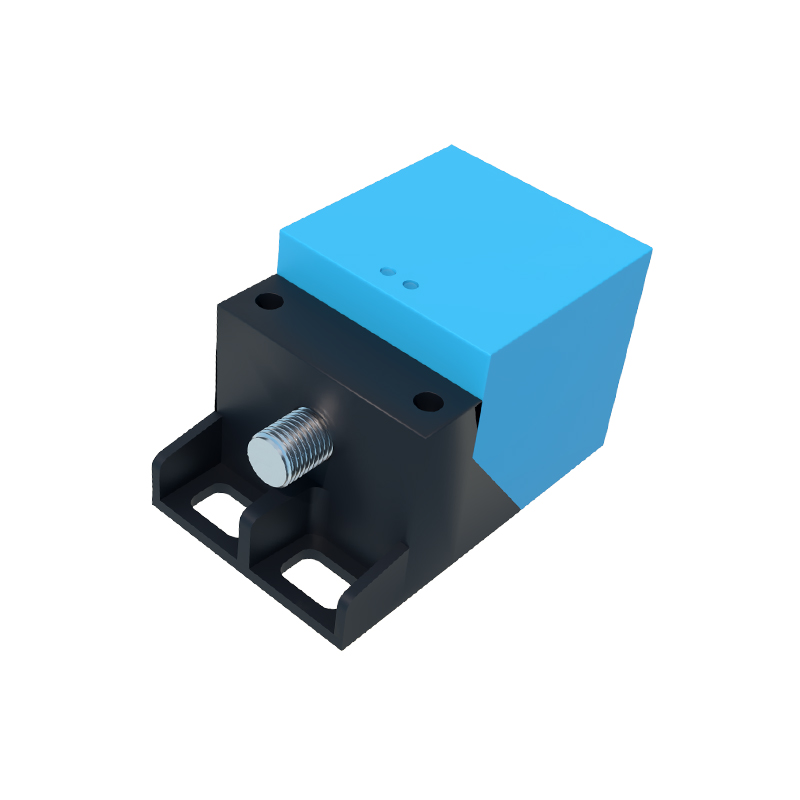
A proximity switch is a specific subset of proximity sensors. The term "switch" is key here; it denotes a device with a binary output function—essentially an "on" or "off" state. When an object comes within the predefined sensing distance, the proximity switch activates, changing its output state from one condition to another (e.g., from open to closed or from low voltage to high voltage). This digital, two-state operation is what differentiates a switch from more complex sensors that might provide analog output or detailed measurement data. In industrial parlance, "proximity switch" and "proximity sensor" are often used interchangeably, but technically, all proximity switches are sensors, while not all proximity sensors function solely as simple switches. They are the workhorses for tasks like detecting if a part is in place on an assembly line, signaling the end of travel for a machine component, or initiating an automated sequence.
Core Operating Principles and Technologies
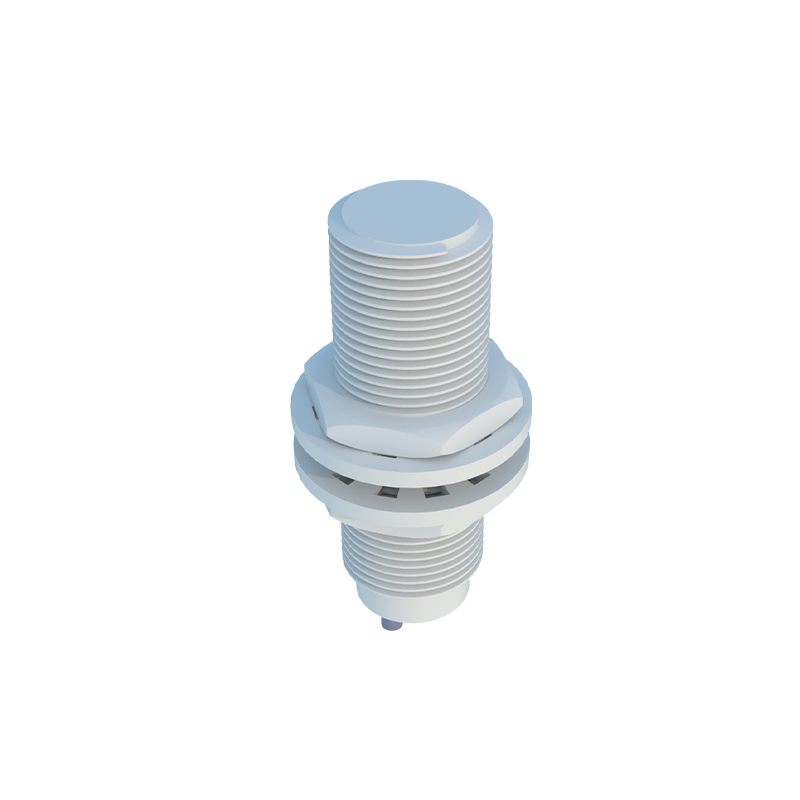
Proximity switches are categorized primarily by their underlying sensing technology. The most common types are inductive, capacitive, and photoelectric. Inductive proximity switches are the most prevalent in industrial settings. They generate an oscillating electromagnetic field and can only detect metallic objects, typically ferrous metals like steel and iron. When a metal target enters this field, it induces eddy currents, causing a change in oscillation amplitude that triggers the switch. Capacitive proximity switches, on the other hand, can detect both metallic and non-metallic materials (plastics, wood, liquids, granules) by sensing changes in capacitance caused by the target object altering the electrostatic field around the sensor's face. Photoelectric proximity switches use a beam of light (visible, infrared, or laser) and detect objects by either the interruption of the beam (through-beam) or the reflection of the beam (reflective and diffuse modes).
Key Advantages in Industrial Applications
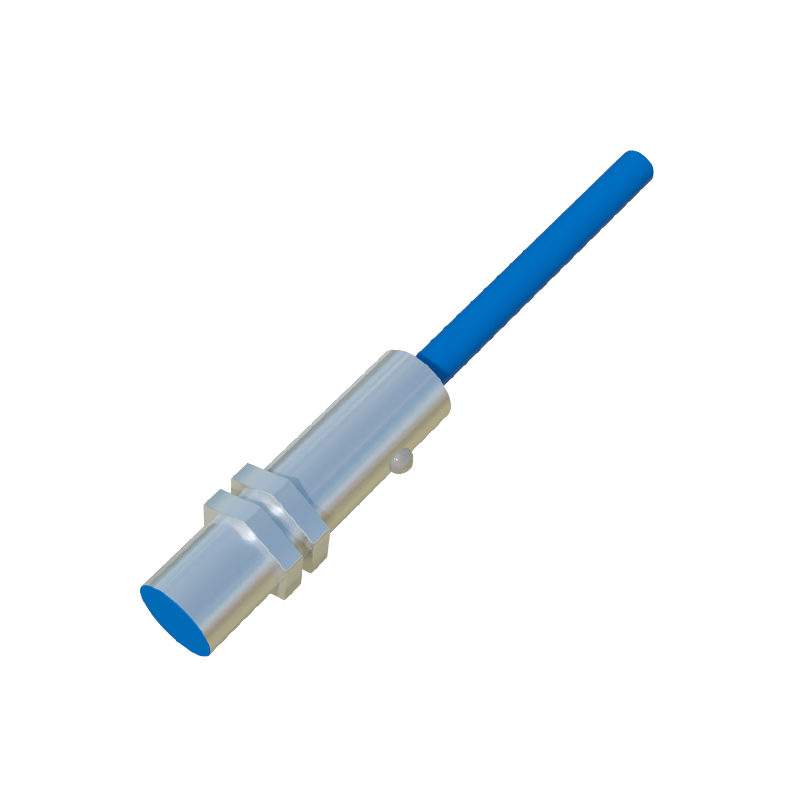
The adoption of proximity switches is driven by a compelling set of advantages. Their non-contact nature ensures a long operational life with minimal maintenance, as there are no moving parts to wear out. They offer high switching speeds and can detect objects at rates far exceeding mechanical limit switches, making them ideal for high-speed production lines. Their solid-state construction provides excellent resistance to vibration, shock, and environmental contaminants. Furthermore, they provide precise and repeatable detection, which is crucial for quality control and process consistency. The output signal is clean and free from contact bounce, a common issue with mechanical switches, leading to more reliable PLC (Programmable Logic Controller) inputs. This combination of speed, reliability, and durability makes them a superior choice for demanding automation environments.
Typical Use Cases and Selection Criteria
Proximity switches find application in virtually every sector of manufacturing and automation. Common use cases include object detection on conveyors, part positioning in machining centers, monitoring rotary speed by counting gear teeth, checking for the presence of tools in a magazine, and ensuring safety door closure. Selecting the right proximity switch requires careful consideration of several factors: the material of the target object (metal, plastic, liquid), the required sensing distance, the operating environment (temperature, presence of chemicals), the required output type (PNP/NPN, NO/NC), the physical size and mounting style, and the required switching frequency. Understanding these parameters is essential for ensuring optimal performance, reliability, and integration into the control system.
Installation and Operational Considerations
Proper installation is critical for the reliable operation of proximity switches. Factors such as mounting flush or non-flush, maintaining adequate clearance from surrounding metal (to prevent false triggering), and ensuring the correct orientation towards the target must be adhered to as per the manufacturer's specifications. Environmental factors like temperature extremes, strong electromagnetic interference, or direct exposure to cutting fluids can affect performance and