Introduction to Transparent Photoelectric Sensors
Transparent photoelectric sensors represent a significant advancement in industrial automation, particularly within material handling and feeding systems, commonly referred to as "material lines" or "feeding lines." These sensors are engineered to detect objects, levels, or the presence of materials through transparent surfaces such as glass, plastic tubes, or windows in hoppers, silos, and conveyor chutes. Unlike traditional sensors that may struggle with non-opaque barriers, transparent sensors utilize specialized light sources and receivers to accurately sense through these mediums without physical contact. This capability is crucial for maintaining system integrity and preventing contamination in sensitive processes found in industries like food and beverage, pharmaceuticals, and chemical manufacturing. The core principle involves emitting a light beam, often infrared or laser-based, that passes through the transparent barrier. The receiver then analyzes the transmitted or reflected light to determine the presence or absence of a target material, enabling precise control over material flow.
Key Operational Principles and Technologies
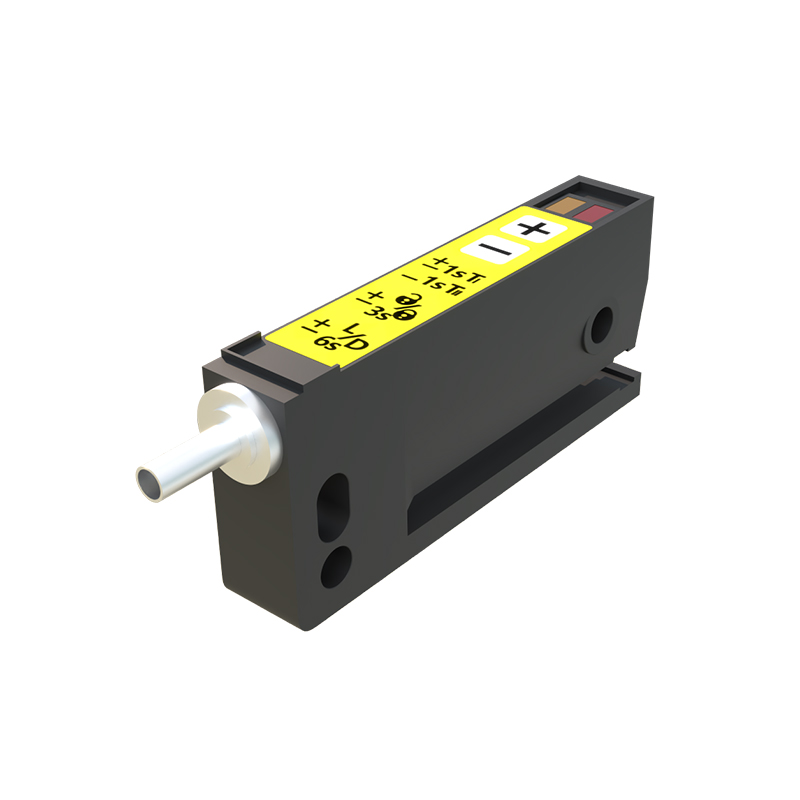
The functionality of transparent photoelectric sensors hinges on advanced optical technologies. Primarily, they operate on through-beam, retro-reflective, or diffuse reflection modes, adapted for transparent interfaces. In through-beam setups, the emitter and receiver are placed opposite each other with the transparent barrier in between. The sensor detects an object when it interrupts the light beam passing through the clear medium. For retro-reflective types, a reflector is used on the opposite side, with the sensor detecting the absence of reflected light due to obstruction. Diffuse reflection sensors rely on light bouncing off the target itself. A critical technological feature is the ability to compensate for potential interference from ambient light or slight variations in the transparency of the barrier material. Modern sensors incorporate modulated light signals and sophisticated filtering algorithms to ensure high signal-to-noise ratios, providing reliable detection even in challenging environments with dust, moisture, or varying light conditions.
Advantages in Material Handling Applications
Integrating transparent photoelectric sensors into material lines offers numerous operational benefits. Firstly, they enable non-invasive monitoring, which is essential for maintaining sterile or clean conditions, as the sensor does not need to penetrate the container or pipe wall. This prevents potential leak points and reduces the risk of product contamination. Secondly, they enhance system reliability by providing accurate, real-time data on material levels, blockages, or flow rates, allowing for proactive maintenance and minimizing downtime. For instance, in a pneumatic conveying system, these sensors can detect the presence or absence of pellets within a transparent tube, triggering alarms or controlling valves to optimize throughput. Their durability and lack of moving parts result in lower maintenance costs compared to mechanical sensing methods. Furthermore, the ability to function through colored or tinted transparent materials expands their applicability across diverse industrial processes.
Critical Selection Criteria for Engineers
Selecting the appropriate transparent photoelectric sensor requires careful consideration of several technical parameters. The type of transparent material (e.g., glass, polycarbonate, PVC) and its thickness directly influence the sensor's sensing range and must be accounted for during specification. Engineers must evaluate the required sensing distance, which can vary from a few millimeters to several meters, depending on the application. The light source wavelength is another vital factor; infrared light is commonly used for its ability to penetrate various transparent mediums effectively, while laser-based sensors offer higher precision for small object detection. Environmental conditions such as temperature extremes, exposure to chemicals, or high-pressure washdowns necessitate sensors with suitable ingress protection (IP) ratings and robust housing materials like stainless steel or specialized plastics. Additionally, output options (e.g., NPN/PNP, analog, IO-Link) should align with the existing control system architecture for seamless integration.
Installation, Calibration, and Maintenance Best Practices
Proper installation is paramount to ensure optimal performance of transparent photoelectric sensors. They must be securely mounted to avoid misalignment due to vibration or thermal expansion, which is common in material handling systems. Alignment between the emitter and receiver (or reflector) must be precise, especially when dealing with curved or uneven transparent surfaces. Initial calibration involves adjusting the sensitivity to account for the specific optical properties of the barrier and the target material, often using potentiometers or software-based configuration tools provided by the manufacturer. Regular maintenance should include cleaning the sensor lenses and the transparent surface to prevent buildup of dust, condensation, or residues that could scatter or absorb light, leading to false readings. Periodic functional checks and verification against known standards help in maintaining long-term accuracy and reliability, ensuring continuous operation of the material line.
Future Trends and Industry Outlook
The future of transparent photoelectric sensors in material handling is closely tied to the broader trends of Industry 4.0 and smart manufacturing. We are witnessing the integration of these sensors with Industrial Internet of Things (IIoT) platforms, enabling predictive analytics and remote monitoring capabilities. Enhanced sensor intelligence, such as built-in diagnostics and self-adjusting features based on ambient condition changes, is becoming more prevalent. Furthermore, miniaturization allows for installation in space-constrained locations, while advancements in optics and electronics are improving detection accuracy for even smaller particles or through thicker, more complex transparent barriers. As industries continue to prioritize efficiency, safety, and hygiene, the demand for sophisticated, reliable transparent sensing solutions is expected to grow, solidifying their role as a critical component in modern automated material handling systems.