Introduction to Photoelectric Sensing in Industrial Safety
In the demanding landscape of electrical engineering and industrial maintenance, worker safety is paramount. The integration of advanced sensor technology into personal protective equipment (PPE) represents a significant leap forward. Among these innovations, wearable safety photoelectric sensors embedded in smart bracelets are emerging as a critical tool. These devices function by emitting a beam of light, typically from an LED or laser diode, and detecting changes in the received light signal. This non-contact method allows for the detection of proximity to hazardous energy sources, such as live electrical components, moving machinery, or defined danger zones, providing a real-time alert to the wearer. The core principle hinges on the interruption or reflection of the light beam, triggering an immediate safety response.
Core Operational Principles and Sensor Architecture
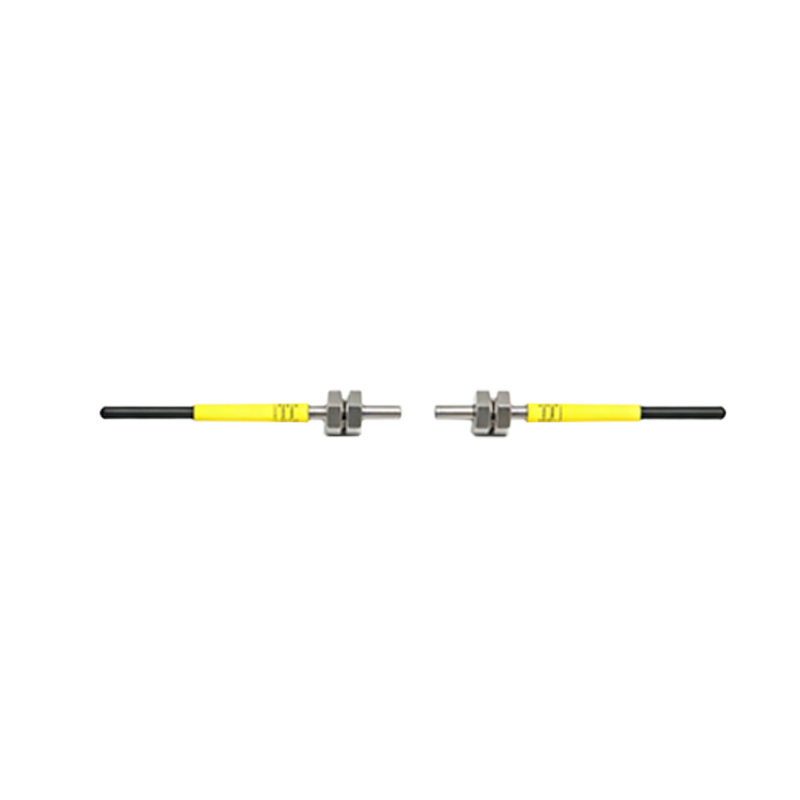
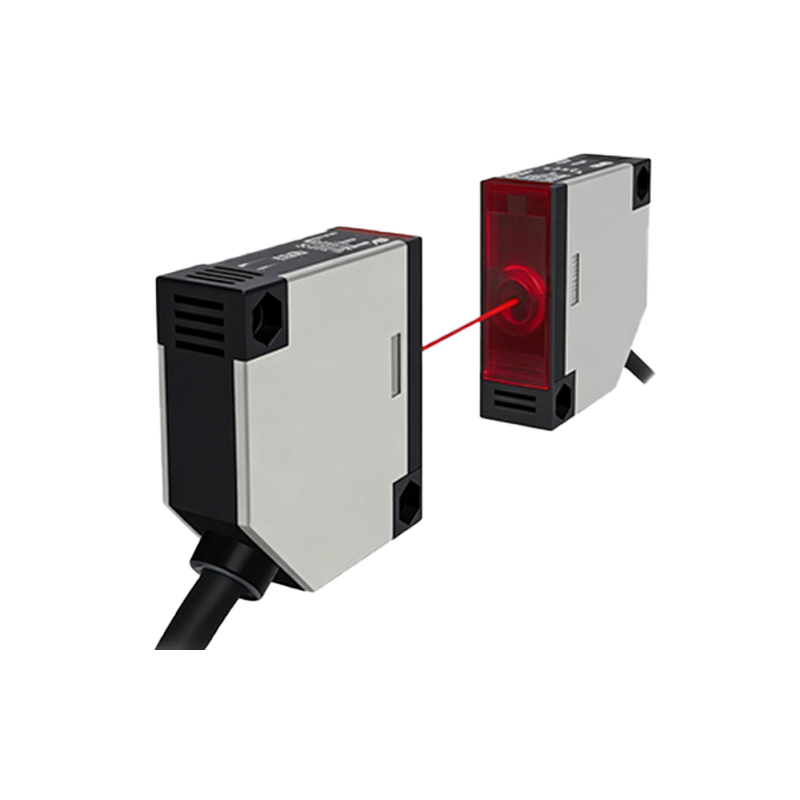
The architecture of a safety-grade photoelectric sensor within a wearable bracelet is a marvel of miniaturized engineering. It comprises three fundamental components: an emitter, a receiver, and a dedicated processing unit. The emitter generates a modulated light signal, often in the infrared spectrum to be invisible and immune to ambient light interference. The receiver, a phototransistor or photodiode, captures the returning light. In a typical through-beam or retro-reflective safety application, the bracelet might communicate with fixed beacons or reflectors placed around a hazardous area. A break in this beam indicates that the worker's hand has entered a forbidden zone. Alternatively, diffuse sensing modes can detect close proximity to specific surfaces. The onboard processor analyzes the signal in real-time, distinguishing between safe conditions and potential breaches with high reliability to prevent nuisance alarms.
Integration with Electrical Hazard Management Systems
For electrical engineers, the true power of these smart bracelets lies in their integration with broader Lockout/Tagout (LOTO) and energized electrical work permit systems. The bracelet can be paired with RFID or Bluetooth-enabled locks on electrical panels. If a worker wearing the bracelet approaches an panel that is not in a verified zero-energy state, the sensor system can trigger a localized vibration alert on the bracelet and send a warning to a site supervisor's dashboard. Furthermore, in environments with arc flash hazards, sensors can be calibrated to maintain a safe minimum approach distance. By creating an invisible "safety curtain" around defined perimeters, these wearables add a dynamic, personal layer of protection that complements static signage and procedures.
Key Performance Metrics and Industry Standards
Deploying any safety technology in electrical environments requires rigorous validation. Safety photoelectric sensors for wearables must adhere to stringent international standards such as IEC 61496 (Safety of machinery - Electro-sensitive protective equipment) and IEC 60947-5-2 (Control circuit devices and switching elements). Key performance metrics include response time, which must be in the millisecond range to be effective, detection consistency, and immunity to electromagnetic interference (EMI)—a crucial factor in substations or near high-current conductors. The design must also account for environmental durability: resistance to dust, moisture (often rated IP67 or higher), and impacts. The sensor's fail-safe design ensures that any internal fault defaults to a safe state, triggering an alert rather than silently failing.
Practical Applications on the Job Site
Practical applications are vast within electrical construction, utility maintenance, and industrial facility management. For instance, a technician working on switchgear assembly can receive a haptic warning if their hand moves too close to a busbar before verification of de-energization. In confined spaces where cable trays and live conduits are present, the bracelet can help prevent accidental contact. During high-voltage testing procedures, a safety perimeter can be virtually established, and the wearable ensures personnel remain outside it. The technology also supports training, providing data logs of near-miss events that can be analyzed to improve work practices and hazard recognition without the occurrence of an actual incident.
Future Trends and Technological Convergence
The future trajectory points towards greater intelligence and connectivity. Next-generation safety bracelets will likely incorporate multi-sensor data fusion, combining photoelectric sensing with ultra-wideband (UWB) for precise indoor positioning, inertial measurement units (IMUs) for gesture recognition, and even thermal sensors to detect heat from overloaded equipment. Integration with the Industrial Internet of Things (IIoT) will enable real-time location tracking of all personnel on a site, dynamic hazard mapping, and automated shutdown protocols. As battery technology and low-power electronics advance, these devices will become lighter, more comfortable for all-day wear, and capable of longer operational periods, making them a ubiquitous and essential component of the modern electrician's toolkit.