Introduction to Slot Type Photoelectric Sensors
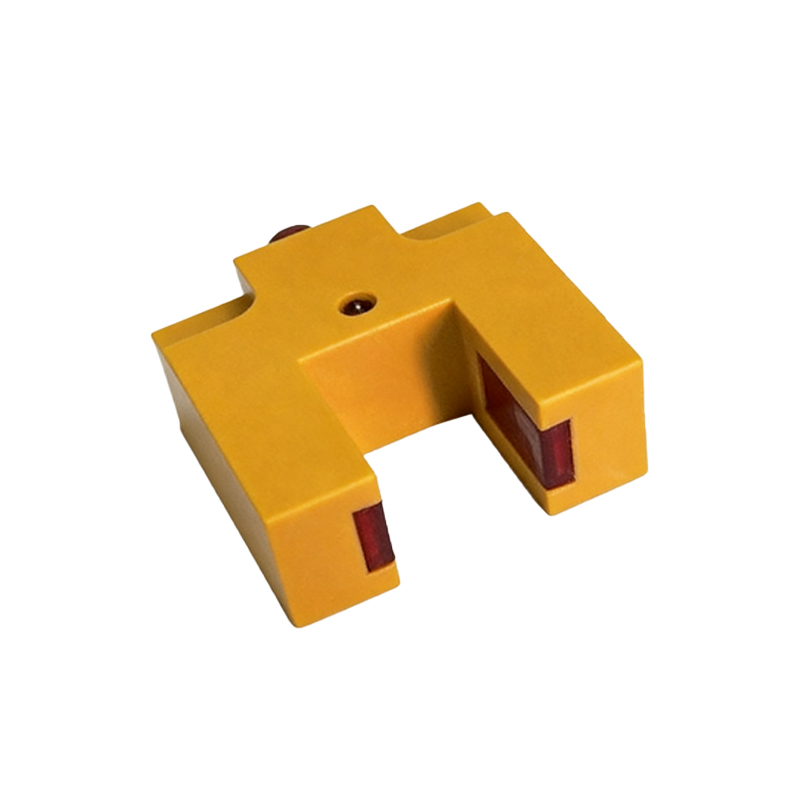
Slot type photoelectric sensors, also known as through-beam sensors, are widely used in industrial automation for precise object detection. These sensors consist of two separate components: an emitter and a receiver, which are housed in a U-shaped or forked enclosure. The emitter projects a light beam—typically infrared, visible red, or laser—across the gap to the receiver. When an object passes through the slot, it interrupts the light beam, triggering a signal change. This design allows for highly reliable detection, as the alignment is fixed and immune to environmental factors like dust or color variations. Common applications include counting, positioning, and safety interlocks in manufacturing lines, packaging machinery, and conveyor systems. Their robust construction ensures durability in harsh industrial environments, making them a staple in modern automation.
Key Examples of Slot Type Sensors
Several prominent examples illustrate the versatility of slot type photoelectric sensors. First, the Omron EE-SX670 series is a compact infrared sensor with a slot width of 5 mm, ideal for detecting small parts in electronics assembly. It offers high response speed and can be used in high-precision tasks. Second, the Keyence FU series features a wide slot design up to 40 mm, suitable for larger objects in material handling, such as boxes or panels. These sensors often include advanced functions like background suppression to ignore distant objects. Third, the Banner SM312 series is a rugged option with IP67 rating, designed for wet or dusty conditions in automotive plants. Lastly, the SICK W4 series provides laser-based sensors for ultra-fine detection, with resolutions down to 0.1 mm, used in pharmaceutical packaging for verifying pill presence. Each example highlights tailored solutions for specific industrial needs.
Technical Specifications and Selection Criteria
When selecting a slot type photoelectric sensor, engineers must consider key technical parameters. The slot width and depth determine the size of objects that can be detected; for instance, a 10 mm slot suits standard components, while wider slots accommodate bulkier items. The light source type is crucial: infrared sensors are energy-efficient and discreet, visible red sensors aid in alignment, and laser sensors offer pinpoint accuracy. Response time, typically ranging from 0.1 to 10 milliseconds, affects performance in high-speed applications. Output options include NPN, PNP, or relay contacts, compatible with PLCs or controllers. Environmental ratings like IP65 or IP67 ensure resistance to water, oil, and debris. Additionally, features such as adjustable sensitivity or built-in timers enhance flexibility. Proper selection based on these criteria ensures optimal reliability and efficiency in automation systems.
Applications in Industrial Automation
Slot type photoelectric sensors play a critical role across various industrial sectors. In packaging lines, they detect labels, caps, or missing products on conveyors, triggering reject mechanisms or counters. In automotive manufacturing, they verify part placement in assembly robots, ensuring precision in welding or fitting processes. The electronics industry relies on them for PCB board positioning and component insertion machines. Safety applications include interlock systems on machinery doors, where beam interruption halts operation to prevent accidents. Moreover, in printing and paper handling, sensors monitor paper jams or sheet counts. Their ability to function in challenging conditions—like high temperatures or vibration—makes them indispensable for continuous operation, reducing downtime and improving productivity in smart factories.
Advantages and Limitations
The advantages of slot type photoelectric sensors are numerous. They provide non-contact detection, avoiding wear and tear on both the sensor and objects. The fixed alignment eliminates the need for frequent calibration, offering stable performance over time. High accuracy and fast response enable use in rapid production environments. However, limitations exist. The slot size restricts detection to objects that fit within the gap; very large or irregular items may require alternative sensors like diffuse reflective types. Dirt accumulation on lenses can reduce sensitivity, necessitating regular maintenance in dirty settings. Additionally, ambient light interference might affect some models, though shielded designs mitigate this. Despite these drawbacks, their reliability and simplicity make them a preferred choice for many automation tasks.
Future Trends and Innovations
Emerging trends are shaping the future of slot type photoelectric sensors. Integration with IoT and Industry 4.0 technologies allows sensors to transmit data wirelessly for real-time monitoring and predictive maintenance. Miniaturization is leading to smaller slots for micro-detection in medical device manufacturing. Enhanced materials, such as corrosion-resistant coatings, extend lifespan in aggressive environments. Smart sensors with embedded diagnostics can self-adjust sensitivity or alert users to malfunctions. Furthermore, energy-efficient designs reduce power consumption in sustainable operations. As automation evolves, these sensors will likely incorporate AI for adaptive detection, improving accuracy in complex scenarios. Innovations continue to expand their applications, ensuring they remain vital components in advancing industrial efficiency and safety.