Introduction to Proximity Sensors in Packaging
In the high-speed, automated world of modern packaging, precision and reliability are non-negotiable. Proximity sensors serve as the critical eyes of packaging machinery, providing non-contact detection of objects to ensure seamless operation. These devices detect the presence or absence of a target without physical contact, using electromagnetic fields, light, or sound. Their role is fundamental in applications ranging from simple object counting on a conveyor to complex robotic pick-and-place systems. The adoption of robust proximity sensors directly correlates with reduced downtime, improved product quality, and enhanced operational safety, making them indispensable components in packaging lines across food and beverage, pharmaceuticals, and consumer goods industries.
Core Operating Principles and Types
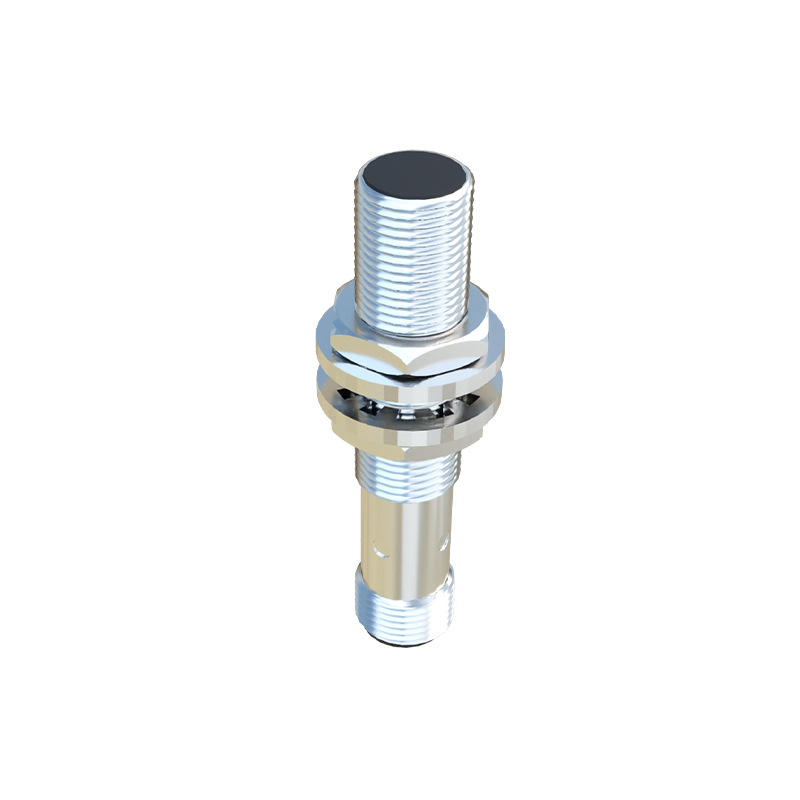
Understanding the working principles is key to selecting the right sensor. Inductive proximity sensors are the most common in metal-heavy packaging environments. They generate an oscillating electromagnetic field; when a metallic target enters this field, it induces eddy currents that dampen the oscillation, triggering a switch signal. For non-metallic objects like plastic bottles, cardboard boxes, or glass containers, capacitive proximity sensors are employed. These detect changes in capacitance caused by the target material's dielectric constant. Photoelectric sensors, another vital type, use a light beam (visible, infrared, or laser) to detect objects, ideal for long-range detection or clear material sensing. Each type offers distinct advantages in range, response time, and environmental resistance.
Key Applications on the Packaging Line
The versatility of proximity sensors is showcased through numerous applications. On filling lines, they precisely detect bottle presence to trigger filling heads, preventing spills and waste. In capping stations, sensors verify cap presence and proper seating. On labeling machines, they detect product arrival to initiate label application with millimeter accuracy. For cartoning, sensors confirm flap positions and box presence for reliable sealing. Perhaps most critically, they provide end-of-line verification, ensuring each package contains the correct number of items before palletizing. This continuous feedback loop allows for real-time process control and immediate fault detection.
Critical Selection Criteria for Engineers
Selecting an optimal proximity sensor requires a detailed analysis of the application. Key parameters include sensing distance, which must account for installation tolerances and target size. The target material dictates the sensor type—inductive for metals, capacitive or photoelectric for others. Environmental factors are paramount; sensors in washdown areas for food packaging require high IP (Ingress Protection) ratings like IP67 or IP69K to withstand high-pressure cleaning and chemical exposure. Temperature ranges, electrical output type (PNP/NPN, analog, IO-Link), and housing material (stainless steel, PTFE-coated) must all align with the specific machine's operational demands and industry regulations.
Integration with Industry 4.0 and Smart Manufacturing
Modern proximity sensors are no longer simple binary switches; they are intelligent data points. Sensors with IO-Link communication capability can transmit detailed diagnostic data—such as operating hours, temperature readings, and signal strength—to a central controller. This facilitates predictive maintenance, alerting technicians to potential failures before they cause a line stoppage. Integration into PLCs and SCADA systems allows for dynamic adjustment of machine parameters based on sensor feedback, optimizing throughput. In smart factories, this data contributes to overall equipment effectiveness (OEE) calculations, providing actionable insights for continuous improvement in packaging efficiency.
Installation Best Practices and Troubleshooting
Proper installation is crucial for reliable performance. Engineers must ensure adequate clearance from metal mounting surfaces to prevent false triggering, a concept known as the "flush-mountable" or "non-flush" specification. Sensor alignment relative to the target must be precise, especially for photoelectric types. Wiring should follow EMC guidelines to prevent electrical noise interference. Common troubleshooting issues include false triggers from vibration, accumulation of dust or product residue on the sensing face, and gradual degradation due to mechanical stress. Regular maintenance schedules should include cleaning sensor faces and verifying sensing distances and output signals.
Future Trends and Advancements
The evolution of proximity sensing technology continues to push boundaries. Miniaturization allows sensors to be embedded in increasingly compact machinery. Enhanced sensing technologies, like background suppression in photoelectric sensors, enable reliable detection of objects against complex backgrounds. The rise of hygienic design, with smooth surfaces and crevice-free housings, is critical for pharmaceutical and food-grade applications. Furthermore, the integration of AI algorithms with sensor data promises even smarter fault detection and classification, moving from predictive to prescriptive maintenance. These advancements will further solidify the role of proximity sensors as a cornerstone of efficient, flexible, and intelligent packaging automation.