Introduction to Proximity Sensor Technology
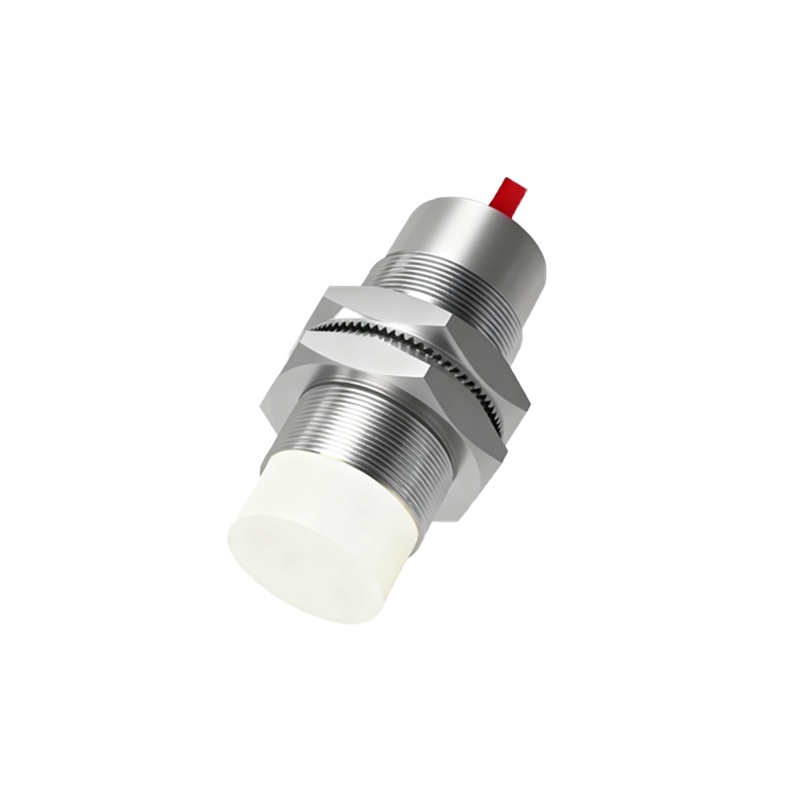
Proximity sensors are indispensable components in modern industrial automation, enabling non-contact detection of objects within a defined range. These devices operate on various principles, including inductive, capacitive, ultrasonic, and photoelectric sensing. Inductive sensors detect metallic objects, while capacitive sensors can detect both metallic and non-metallic materials. Ultrasonic sensors use sound waves, and photoelectric sensors rely on light beams. The choice of technology depends heavily on the application's specific requirements, such as target material, sensing distance, environmental conditions, and required response speed. Their ability to function reliably in harsh environments—resistant to dust, oil, and moisture—makes them critical for manufacturing, packaging, automotive assembly, and material handling systems. Understanding the core technology is the first step in identifying the right supplier for your needs.
Key Global Suppliers and Their Specializations
The market for proximity sensors is served by a mix of large, diversified automation conglomerates and specialized sensor manufacturers. Leading global suppliers include Siemens, a powerhouse offering a vast portfolio of inductive and ultrasonic sensors integrated into its Totally Integrated Automation (TIA) ecosystem. Omron, a Japanese multinational, is renowned for its high-precision and miniaturized sensors, particularly in the inductive and photoelectric categories. Rockwell Automation (Allen-Bradley) provides rugged sensors designed for seamless integration with its ControlLogix and CompactLogix PLC platforms, favored in heavy industrial applications. Pepperl+Fuchs stands out for its expertise in intrinsic safety and explosion-proof sensors, making it a leader in hazardous environments like chemical and pharmaceutical plants. Other notable players include Schneider Electric, Sick AG, Balluff GmbH, and ifm electronic, each bringing specific strengths in connectivity, diagnostic capabilities, or form factor.
Selection Criteria for a Reliable Supplier

Choosing a proximity sensor supplier extends beyond product catalogs. Key criteria include technical support and application engineering expertise. A reliable supplier should offer comprehensive documentation, CAD models, and sizing tools. Consider the supplier's global presence and local distribution network, which ensures timely delivery and local technical support. Product range depth is crucial; a supplier with a broad portfolio can provide a more holistic solution. Evaluate their commitment to quality standards (e.g., ISO certifications) and industry-specific certifications (ATEX, IECEx for hazardous areas). Furthermore, assess their innovation roadmap—suppliers investing in IO-Link, smart sensor diagnostics, and Industry 4.0 readiness offer future-proof solutions. Finally, total cost of ownership, including energy efficiency, durability, and mean time between failures (MTBF), often outweighs the initial purchase price.
Emerging Trends and Future Outlook
The proximity sensor industry is evolving rapidly, driven by the demands of Industry 4.0 and the Industrial Internet of Things (IIoT). A significant trend is the integration of advanced communication protocols like IO-Link. This bi-directional, point-to-point serial communication allows sensors to transmit not just a simple switch signal but also detailed parameter and diagnostic data, enabling predictive maintenance and easier configuration. Miniaturization continues, allowing sensors to fit into increasingly compact machinery. There is also a growing emphasis on robustness, with sensors designed to withstand higher temperatures, pressures, and washdown procedures. Additionally, suppliers are developing hybrid sensors that combine multiple sensing technologies (e.g., inductive and capacitive) in a single housing to increase application flexibility. The future points towards smarter, more connected, and more adaptable sensing solutions.
Conclusion and Best Practices for Procurement
Selecting the right proximity sensor supplier is a strategic decision impacting operational efficiency and system reliability. The best practice involves a multi-step process: first, clearly define the application parameters (target, distance, environment). Second, shortlist suppliers based on their specialization matching your core needs. Third, request samples for real-world testing under actual operating conditions—this is non-negotiable. Engage with suppliers' technical teams early in the design phase to leverage their expertise. Consider standardizing on a few key suppliers to streamline inventory management and build stronger technical partnerships. Finally, stay informed about technological advancements through supplier seminars and industry publications. By following these practices, engineers and procurement specialists can secure a robust supply chain for these critical automation components, ensuring long-term system performance and uptime.