Introduction to Photoelectric Sensor Technology
Photoelectric sensors are essential components in modern industrial automation, utilizing light beams to detect the presence, absence, or distance of objects. These devices operate by emitting a light source, typically from an LED or laser, and measuring the reflected or interrupted light to determine object characteristics. Common types include through-beam, retro-reflective, and diffuse reflective sensors, each suited for specific applications based on environmental conditions and detection requirements. Understanding the fundamental principles of light emission, reception, and signal processing is crucial for professionals aiming to excel in the photoelectric sensor application technology exam. Mastery of these basics ensures a solid foundation for tackling advanced topics in installation, calibration, and troubleshooting.
Key Components and Operating Principles
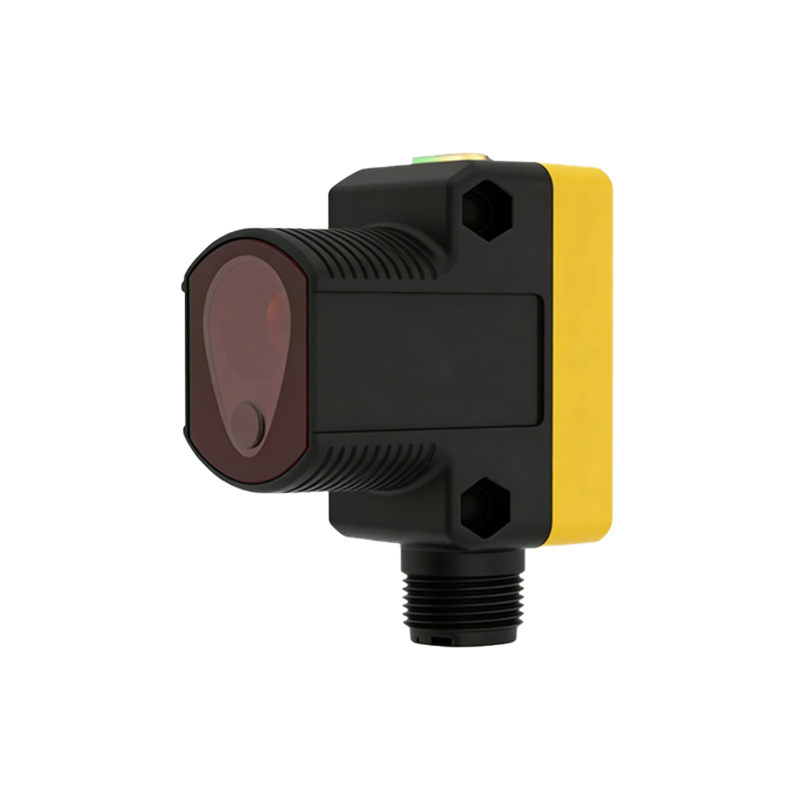
The core elements of a photoelectric sensor include the emitter, receiver, and control circuitry. The emitter generates a modulated light beam to minimize interference from ambient light, while the receiver detects changes in light intensity. Operating principles vary by type: through-beam sensors use separate emitter and receiver units for high-precision detection over long distances; retro-reflective sensors employ a reflector to bounce light back to the receiver, ideal for medium-range applications; diffuse sensors rely on light reflection from the target itself, suitable for close-range tasks. Exam candidates must grasp how these components interact in different configurations, as questions often involve selecting the appropriate sensor type based on factors like target material, size, and environmental challenges such as dust or humidity.
Installation and Alignment Best Practices
Proper installation is critical for optimal sensor performance. Key steps include mounting the sensor securely to avoid vibration-induced misalignment, ensuring the light beam is perpendicular to the target surface, and adjusting sensitivity settings to prevent false triggers. For through-beam sensors, alignment between emitter and receiver must be precise, often using alignment tools or visual indicators. In retro-reflective setups, the reflector should be clean and positioned correctly to maintain signal integrity. Diffuse sensors require careful consideration of target reflectivity and background interference. Exam content typically covers common installation errors, such as incorrect mounting angles or inadequate cleaning, and emphasizes the importance of following manufacturer guidelines to achieve reliable operation in real-world industrial settings.
Calibration and Sensitivity Adjustment Techniques
Calibration ensures sensors respond accurately to targets under varying conditions. Techniques involve setting threshold values for light intensity, using potentiometers or digital interfaces to fine-tune sensitivity, and performing regular checks to account for environmental drift. For example, in high-temperature environments, thermal expansion might affect alignment, necessitating recalibration. The exam often includes scenarios where candidates must calculate sensitivity margins or adjust settings to detect translucent or dark-colored objects, which absorb more light. Understanding calibration protocols, such as using test targets or simulation software, is essential for maintaining long-term sensor reliability and minimizing downtime in automated systems.
Troubleshooting Common Issues
Photoelectric sensors can face issues like false triggering, signal loss, or reduced range due to factors like dirt accumulation, electrical noise, or component aging. Troubleshooting steps start with visual inspections for obstructions or damage, followed by checking power supply stability and wiring connections. Using diagnostic tools like oscilloscopes or multimeters helps identify signal irregularities. For instance, intermittent failures might stem from loose cables, while consistent errors could indicate sensor degradation. Exam questions may present case studies requiring analysis of symptom patterns—such as erratic readings in humid conditions—and proposing solutions like installing protective housings or switching to more robust sensor models. Proficiency in systematic troubleshooting enhances operational efficiency and reduces maintenance costs.
Advanced Applications and Industry Trends
Beyond basic detection, photoelectric sensors are integral to advanced applications like precision positioning in robotics, quality control in manufacturing, and safety systems in hazardous areas. Innovations include smart sensors with IoT connectivity for real-time monitoring, enhanced resolution for microscopic object detection, and ruggedized designs for extreme environments. The exam covers emerging trends, such as the integration of AI for predictive maintenance or the use of fiber-optic sensors in confined spaces. Candidates should be familiar with industry standards, like IEC 60947-5-2, and how evolving technologies impact sensor selection and implementation. Staying updated on these developments ensures professionals can leverage photoelectric sensors to optimize automation processes and drive innovation in sectors from automotive to pharmaceuticals.
Exam Preparation Strategies
To succeed in the photoelectric sensor application technology exam, focus on hands-on practice with sensor setups, review technical datasheets for specifications, and study common failure modes. Utilize resources like online simulations, manufacturer tutorials, and practice tests to reinforce concepts. Key areas to prioritize include understanding signal output types (e.g., NPN vs. PNP), interpreting timing diagrams for response speeds, and applying safety protocols for high-voltage installations. Time management during the exam is crucial—allocate effort based on question weightage, with emphasis on practical problem-solving over rote memorization. Engaging in peer discussions or workshops can also clarify complex topics, ensuring a comprehensive grasp of both theoretical and applied aspects for certification success.