Fundamental Principles of Operation
Optical grating photoelectric sensors are sophisticated devices that utilize the principle of light diffraction and interference to achieve high-precision measurement and detection. At their core, these sensors consist of a light source, typically an LED or laser diode, a main scale with a fine grating pattern, and a scanning reticle with an identical pattern. When the scale and reticle move relative to each other, the transmitted or reflected light creates a periodic interference pattern known as a Moiré fringe. A photodetector array converts these alternating light and dark fringes into sinusoidal electrical signals. By counting and interpolating these signal periods, the sensor can determine displacement, position, or speed with exceptional accuracy, often down to the sub-micron level. This fundamental principle makes them indispensable in environments demanding extreme precision.
Key Advantages Over Conventional Sensors
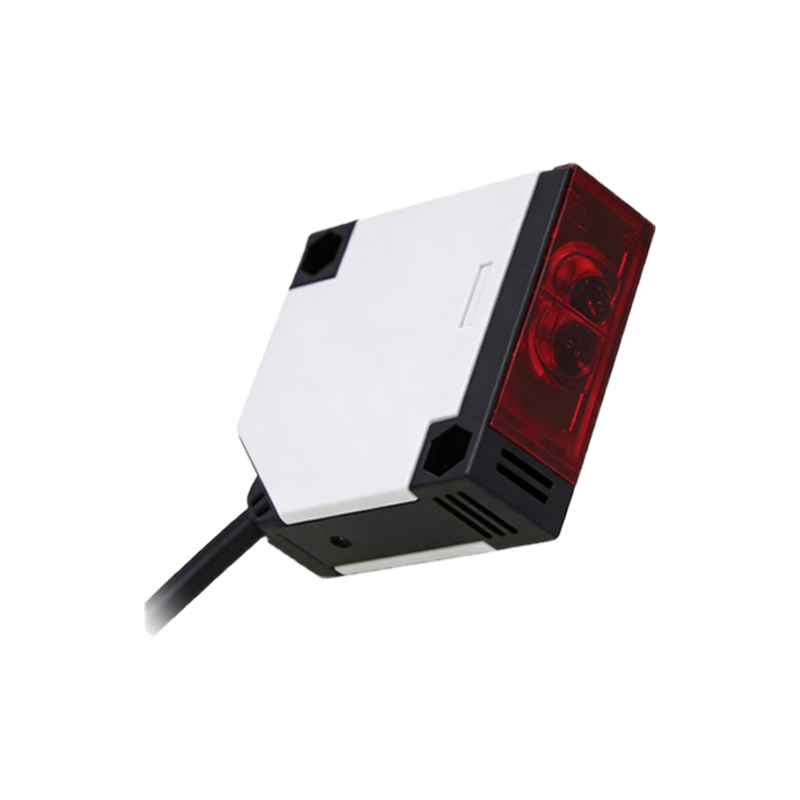
The superiority of optical grating sensors lies in their unique combination of features. Firstly, they offer non-contact measurement, eliminating mechanical wear and ensuring long-term stability and reliability. Their high resolution and repeatability far exceed those of traditional potentiometric or magnetic sensors. Secondly, they are largely immune to electromagnetic interference (EMI), a critical advantage in industrial settings populated by motors and drives. Furthermore, their response speed is exceptionally high, enabling real-time feedback in dynamic systems. The ability to provide absolute or incremental position data adds to their versatility, allowing for system configuration even after a power loss. These advantages collectively contribute to enhanced system performance and reduced downtime.
Primary Industrial Applications and Use Cases
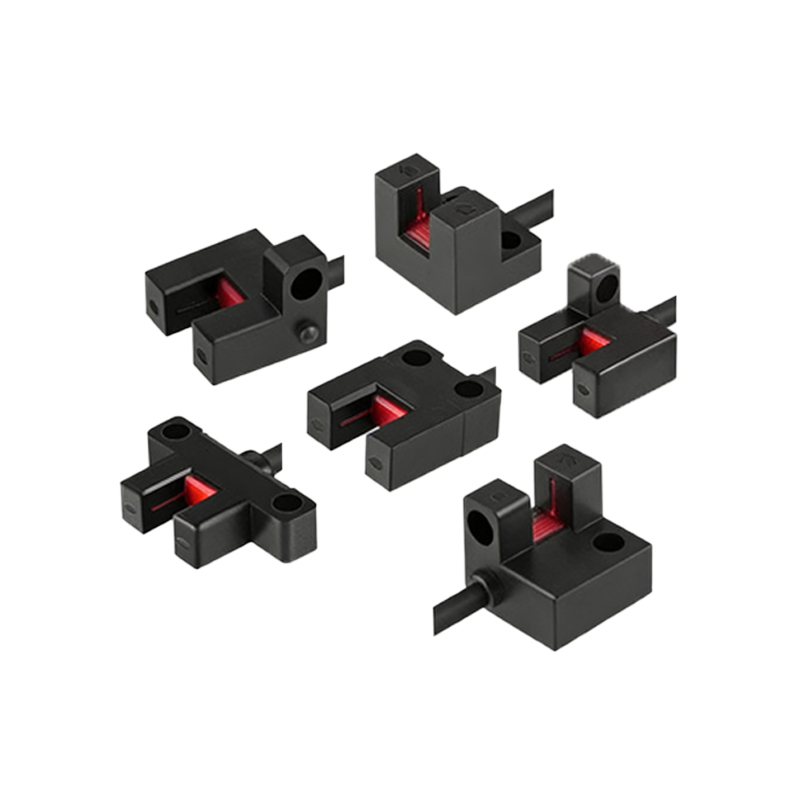
The application spectrum for optical grating photoelectric sensors is vast and critical to modern manufacturing. In CNC machine tools and coordinate measuring machines (CMMs), they provide the precise feedback necessary for ultra-fine machining and quality inspection. The semiconductor industry relies on them for wafer steppers and lithography equipment where nanometer-level positioning is non-negotiable. Robotics utilizes these sensors for accurate joint angle measurement and end-effector positioning. Beyond manufacturing, they are found in precision medical imaging devices, telescope positioning systems, and advanced scientific instrumentation. Their role in linear and rotary encoders forms the backbone of closed-loop motion control systems across these sectors.
Critical Selection Criteria and Integration
Selecting the appropriate optical grating sensor requires careful consideration of several parameters. The required resolution and accuracy dictate the grating pitch and interpolation electronics. The measurement range determines the physical length of the scale. Environmental factors are paramount; sensors may need protective sealing (IP ratings) against coolant, dust, or chips, and specialized models exist for high-temperature or vacuum applications. The output signal type—analog (sin/cos) or digital (TTL, HTL, or fieldbus protocols like PROFINET or EtherCAT)—must be compatible with the controller. Proper mechanical installation, including alignment and mounting stability, is crucial to prevent measurement errors like Abbé error. Integration often involves careful cable routing and shielding to ensure signal integrity.
Maintenance, Troubleshooting, and Future Trends
While known for durability, optical grating sensors require preventive maintenance for optimal life. This primarily involves keeping the optical path clean from obstructions and contamination using recommended cleaning procedures. Common issues include signal dropout, often caused by dirty gratings or misalignment, and electrical noise interference. Troubleshooting typically involves checking supply voltage, inspecting the readhead gap, and verifying signal quality with an oscilloscope. Looking forward, trends point toward miniaturization, enabling their use in smaller devices. The integration of onboard intelligence for diagnostics and predictive maintenance is growing. Furthermore, the development of ultra-fine pitch gratings and advanced interpolation techniques continues to push the boundaries of achievable resolution and speed, solidifying their future in next-generation automation and Industry 4.0 applications.