Understanding Inductive Proximity Sensing Technology
Inductive proximity sensors operate on the principle of electromagnetic induction. They generate an oscillating electromagnetic field from a coil within the sensor head. When a conductive metal object enters this field, eddy currents are induced on the object's surface. These eddy currents draw energy from the sensor's oscillator, causing a measurable change in the oscillation amplitude or frequency. This change triggers the sensor's output switch. The key factor is the target material's electrical conductivity and magnetic permeability. Ferrous metals like iron and steel, being both conductive and highly permeable, are easily detected with long sensing ranges. Non-ferrous metals, such as aluminum alloys, present a different challenge due to their lower magnetic permeability.
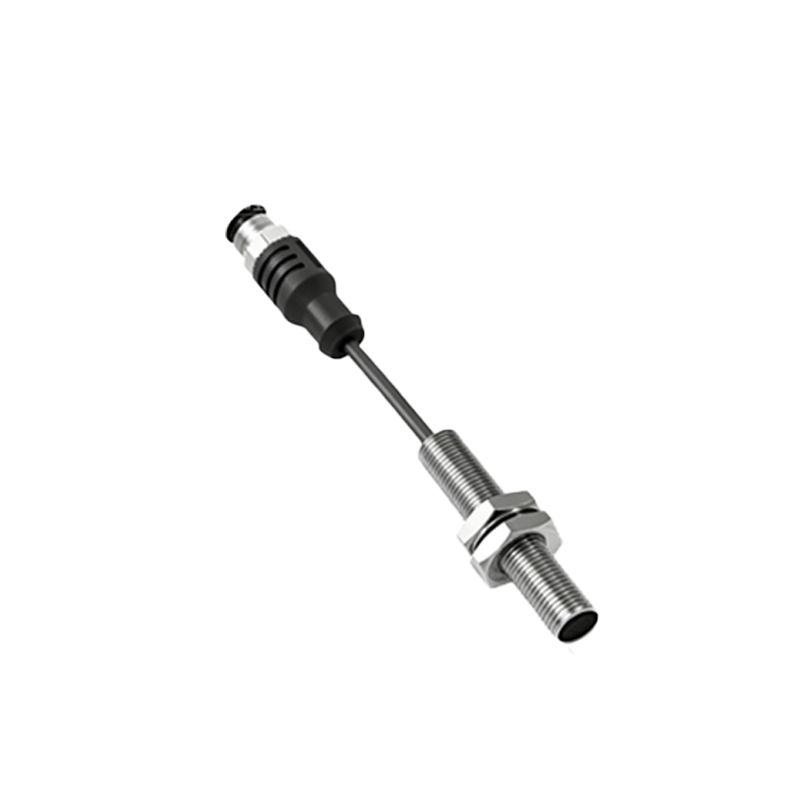
The Challenge with Aluminum Alloys
Aluminum alloys are non-ferrous, meaning they are not magnetic. Their relative magnetic permeability is approximately 1 (similar to air or vacuum), compared to values of 100 to 5000 for ferrous metals. However, aluminum is an excellent electrical conductor. The detection capability for such materials depends almost entirely on their conductivity. While aluminum has about 61% of the conductivity of copper, it is sufficient to generate eddy currents. The primary issue is the reduced sensing distance. For a standard inductive sensor calibrated for mild steel, the effective sensing distance for aluminum is typically reduced by a factor, often around 40-50%. For instance, a sensor with a 10mm range for steel might only detect aluminum at 4-5mm.
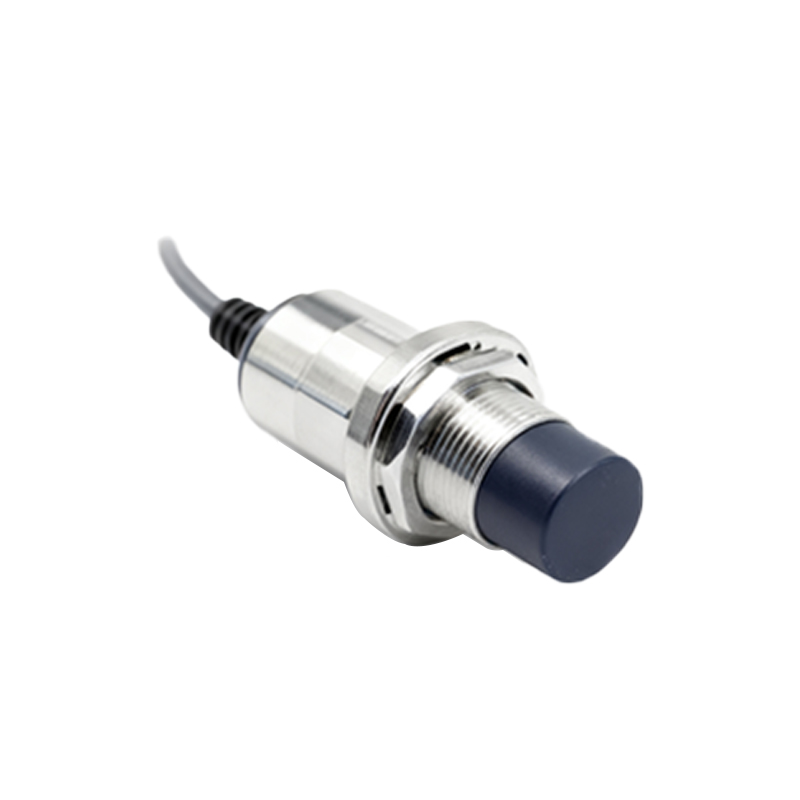
Sensor Design and Material Factors
Modern inductive proximity sensors can be optimized or specifically designed for non-ferrous metal detection. Some sensors feature a "non-ferrous" or "all-metal" mode. These sensors often operate at higher frequencies, which can improve sensitivity to conductive but non-magnetic materials. The specific alloy composition also matters. Common alloys like 6061 or 5052 have slightly different electrical properties. Pure aluminum (1000 series) is more conductive than many of its alloys, which may include elements like silicon, magnesium, or copper that alter conductivity. The sensor must be selected based on the exact target material's properties. Furthermore, the size and shape of the aluminum target influence detection; a larger, flat surface parallel to the sensor face yields the best results.
Practical Application and Installation Guidelines
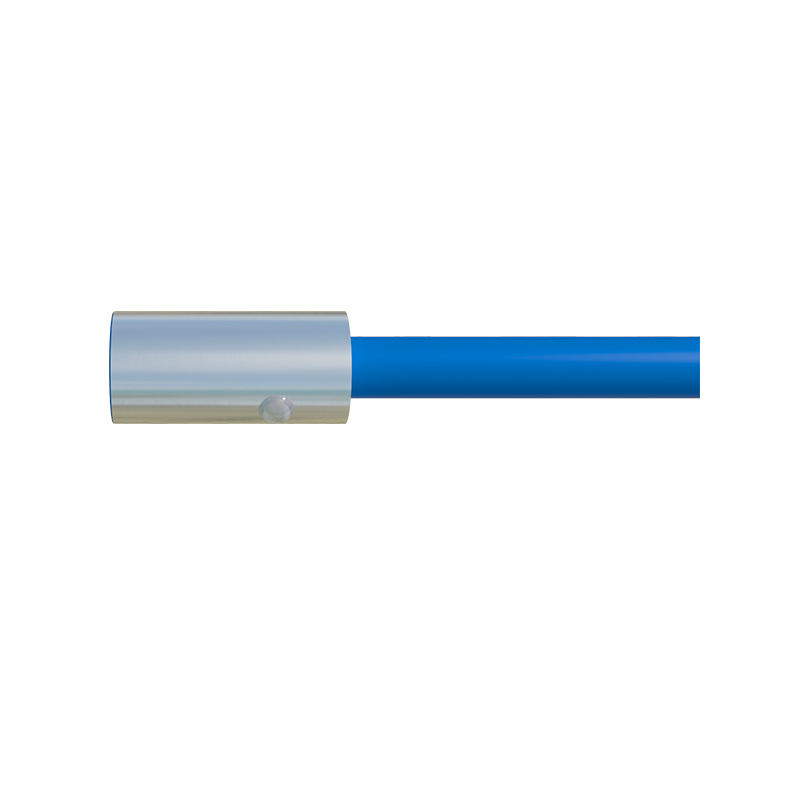
In industrial automation, detecting aluminum components is common in packaging, automotive assembly, and CNC machining. To ensure reliable detection, engineers must account for the reduced sensing distance. It is critical to refer to the sensor's datasheet for the specific reduction factor (often denoted as 'Sr' or a correction factor) for aluminum. Installation requires careful adjustment of the mounting position to ensure the target enters within this shorter range. Environmental factors like temperature fluctuations can affect conductivity and should be considered. Shielding is another consideration; shielded (flush-mountable) sensors have a shorter range than unshielded types but are less susceptible to interference from adjacent metal mounts, which is crucial when working with reduced margins.
Advantages and Limitations Summary
The primary advantage of using standard inductive sensors for aluminum is their robustness, speed, and non-contact operation. They are resistant to dirt, oil, and moisture, making them suitable for harsh environments. The main limitation is the significantly reduced sensing range, which demands precise mechanical alignment. For applications requiring longer ranges with aluminum, specialized capacitive or ultrasonic sensors might be evaluated. However, for cost-effectiveness and reliability in detecting metallic presence, especially where ferrous and non-ferrous parts are mixed, inductive sensors with adjusted parameters remain a highly viable and widely adopted solution. Proper sensor selection, based on thorough application testing with the actual aluminum alloy part, is essential for success.