Introduction to Photoelectric Sensors
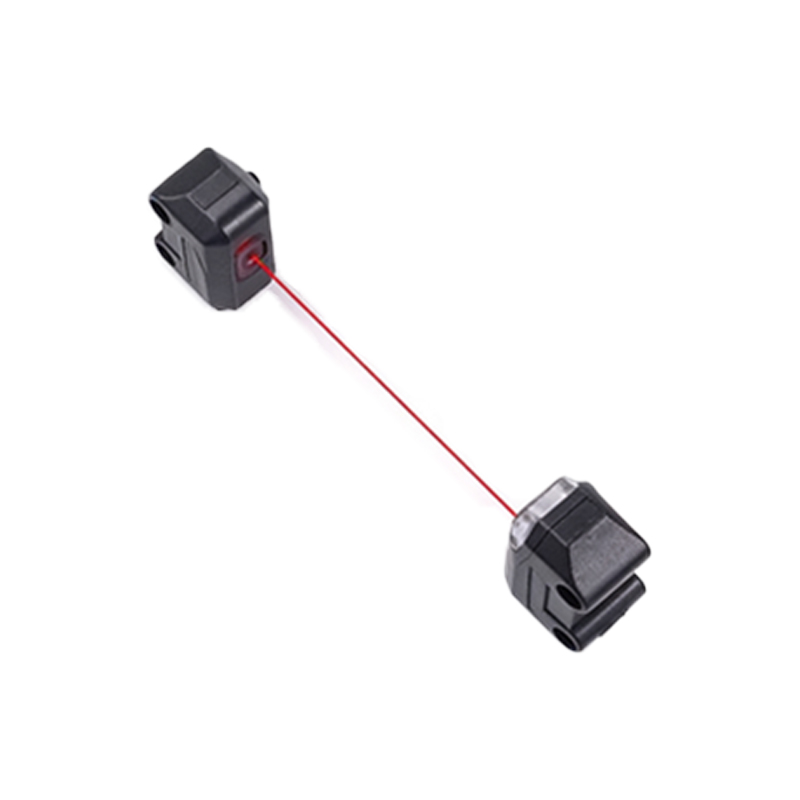
Photoelectric sensors are versatile devices that detect the presence, absence, or distance of objects using a light transmitter and receiver. They operate by emitting a beam of light—often infrared, visible, or laser—and measuring changes in the received light signal caused by an object interrupting or reflecting the beam. These sensors are prized for their non-contact operation, high speed, and reliability, making them indispensable in modern automation and control systems. Common types include through-beam, retro-reflective, and diffuse reflective sensors, each suited to specific environmental and operational needs. Their ability to function in harsh conditions, such as areas with dust, moisture, or extreme temperatures, further expands their utility across diverse sectors.
Manufacturing and Assembly Lines
In manufacturing, photoelectric sensors play a critical role in enhancing efficiency and precision. They are widely used for object detection on conveyor belts, ensuring components are correctly positioned for assembly or packaging. For instance, through-beam sensors can detect small parts like screws or electronic chips, triggering robotic arms to pick and place items accurately. In quality control, these sensors verify the presence of labels, caps, or seals on products, reducing errors and waste. Additionally, in automotive assembly, they monitor the alignment of parts and detect defects in real-time, supporting just-in-time production and minimizing downtime. Their fast response speeds, often in milliseconds, enable high-throughput operations without physical contact that could damage delicate items.
Packaging and Material Handling
The packaging industry relies heavily on photoelectric sensors to streamline operations and ensure consistency. Sensors are employed to count products as they move along lines, control filling levels in containers, and inspect packaging integrity. Diffuse reflective sensors, for example, can detect transparent films or bottles by adjusting sensitivity to light reflections, preventing jams or misfeeds. In material handling systems, such as warehouses and distribution centers, these sensors facilitate automated sorting and routing of packages by reading barcodes or identifying sizes. They also enhance safety by monitoring conveyor speeds and detecting obstructions, helping to prevent accidents and equipment damage in fast-paced environments.
Food and Beverage Processing
Photoelectric sensors are essential in the food and beverage sector, where hygiene and accuracy are paramount. They are used to detect items on production lines, such as bottles, cans, or packaged goods, ensuring proper filling and capping. In beverage bottling, sensors verify liquid levels and label placement, maintaining quality standards. Their stainless-steel or washdown-resistant housings allow them to withstand frequent cleaning with water or chemicals, complying with strict sanitary regulations. Additionally, in agriculture and food processing, sensors monitor grain flows or detect contaminants, supporting automated sorting systems that improve yield and safety. By operating without contact, they avoid contamination risks and reduce maintenance needs in wet or dusty conditions.
Automotive and Transportation Systems
In automotive applications, photoelectric sensors contribute to both manufacturing and vehicle functionality. On assembly lines, they assist in robotic welding and painting by precisely locating parts, while in logistics, they track vehicles through production stages. For transportation infrastructure, sensors are integrated into traffic control systems to detect vehicles at intersections, managing signal timing to reduce congestion. In public transit, they enable automatic door operation by sensing passengers, enhancing accessibility and efficiency. Moreover, advanced driver-assistance systems (ADAS) in modern cars use photoelectric principles for features like parking assistance and collision avoidance, relying on LiDAR or infrared sensors to scan surroundings and improve safety.
Pharmaceutical and Medical Equipment
The pharmaceutical industry utilizes photoelectric sensors for precise control in drug manufacturing and packaging. They ensure accurate pill counting, vial filling, and blister pack sealing, minimizing human error and contamination. In medical devices, sensors are embedded in equipment like infusion pumps or analyzers to monitor fluid levels or detect sample presence, supporting reliable diagnostics and treatment. Their high sensitivity allows detection of minute objects, such as tablets or surgical tools, in sterile environments. Furthermore, in laboratory automation, sensors facilitate sample handling and testing, boosting throughput and consistency while adhering to regulatory standards for precision and cleanliness.
Renewable Energy and Environmental Monitoring
Photoelectric sensors support sustainability efforts in renewable energy sectors. In solar power installations, they help track sun position for optimal panel alignment, maximizing energy capture. Wind turbines use sensors to monitor blade movement and detect icing conditions, preventing damage and ensuring efficiency. For environmental monitoring, sensors are deployed in weather stations to measure light intensity or pollution levels, aiding climate research. They also play a role in smart agriculture, controlling irrigation systems based on sunlight exposure to conserve water. By enabling non-intrusive measurements, these sensors contribute to eco-friendly technologies and resource management.
Conclusion and Future Trends
Photoelectric sensors continue to evolve, driven by advancements in IoT and Industry 4.0. Emerging trends include miniaturization for compact devices, enhanced connectivity for real-time data sharing, and improved accuracy with AI integration. Future applications may expand into robotics, smart cities, and wearable technology, offering greater automation and efficiency. As industries seek smarter, more adaptive solutions, photoelectric sensors will remain a cornerstone of innovation, providing reliable detection across countless scenarios. Their versatility and durability ensure ongoing relevance in an increasingly automated world, from factory floors to everyday life.