Introduction to Photoelectric Sensor LR Series
The LR Series represents a high-performance line of photoelectric sensors engineered for precision detection across diverse industrial environments. These sensors utilize advanced optical technology to detect the presence, absence, or distance of objects without physical contact. The core principle involves emitting a beam of light—typically infrared, visible red, or laser—and analyzing the reflected or received light signal. The LR Series is distinguished by its robust construction, reliable operation in challenging conditions, and versatile sensing modes, including through-beam, retro-reflective, and diffuse reflective. Designed for seamless integration into automated systems, these sensors are critical components in applications ranging from packaging and material handling to assembly line monitoring and safety systems. Their design prioritizes long-term stability, minimal maintenance, and consistent accuracy, making them a trusted solution for engineers and system integrators worldwide.
Key Technical Specifications and Operating Principles
The operational efficacy of the LR Series is defined by a set of precise technical parameters. The sensing distance varies by model, with standard diffuse sensors offering ranges up to 2 meters and through-beam models capable of distances exceeding 20 meters. The light source is typically a modulated LED, ensuring immunity to ambient light interference. Response time is exceptionally fast, often below 1 millisecond, enabling high-speed detection on rapid production lines. The sensors operate within a wide voltage range, commonly 10-30 VDC, with both NPN and PNP output configurations available. A critical feature is the built-in sensitivity adjustment or teach-in function, allowing users to calibrate the sensor for specific object colors, surface textures, or environmental conditions. The operating principle hinges on the change in light reception: a through-beam sensor detects an interruption between separate emitter and receiver units, a retro-reflective model uses a reflector, and a diffuse sensor relies on light reflected directly from the target object.
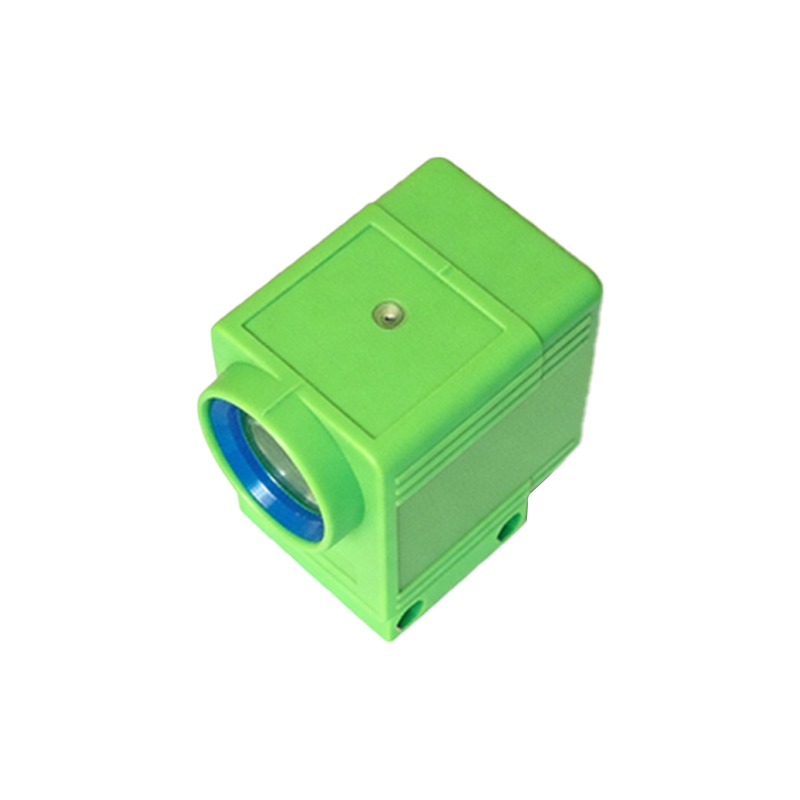
Installation Guidelines and Wiring Configuration
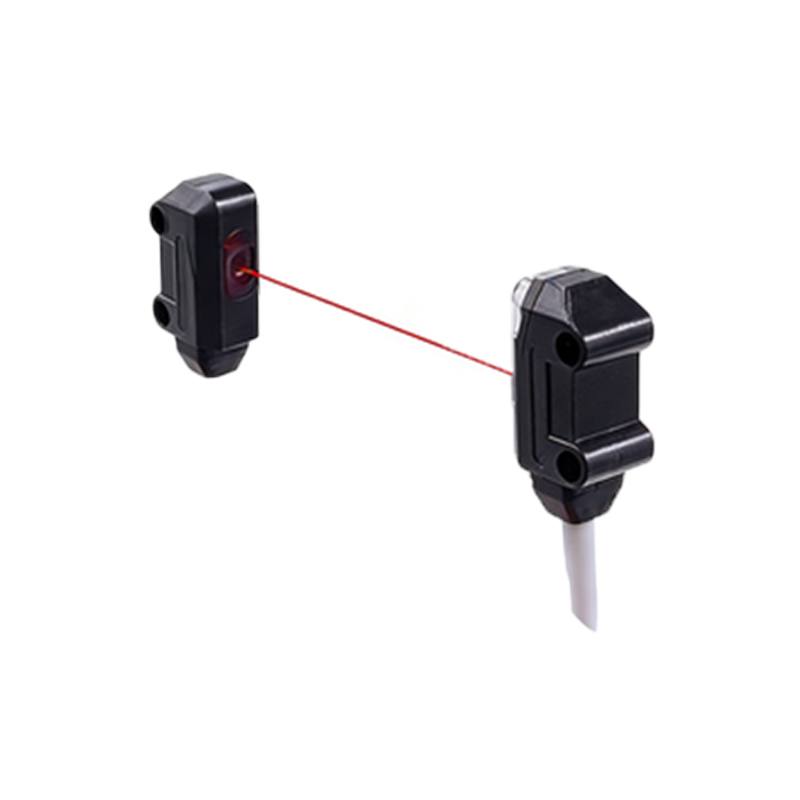
Proper installation is paramount for optimal sensor performance. The LR Series sensors are housed in durable, cylindrical or rectangular bodies with standard mounting threads or brackets. Ensure the sensor is securely fastened and aligned correctly with the target path. For through-beam types, precise alignment of the emitter and receiver is essential; a visible red beam or alignment indicator aids this process. Maintain a clean lens surface, free from dust, oil, or condensation. The wiring follows standard industrial color codes: brown wire for positive supply (V+), blue wire for negative/common (V-), and black (or white) wire for the switching output. Always refer to the specific model's datasheet for exact pinouts. Implement protective measures such as surge suppressors in electrically noisy environments and ensure cable strain relief is properly applied. The operating temperature range, typically -25°C to +55°C, must not be exceeded to prevent damage or erratic behavior.
Configuration, Calibration, and Diagnostic Features
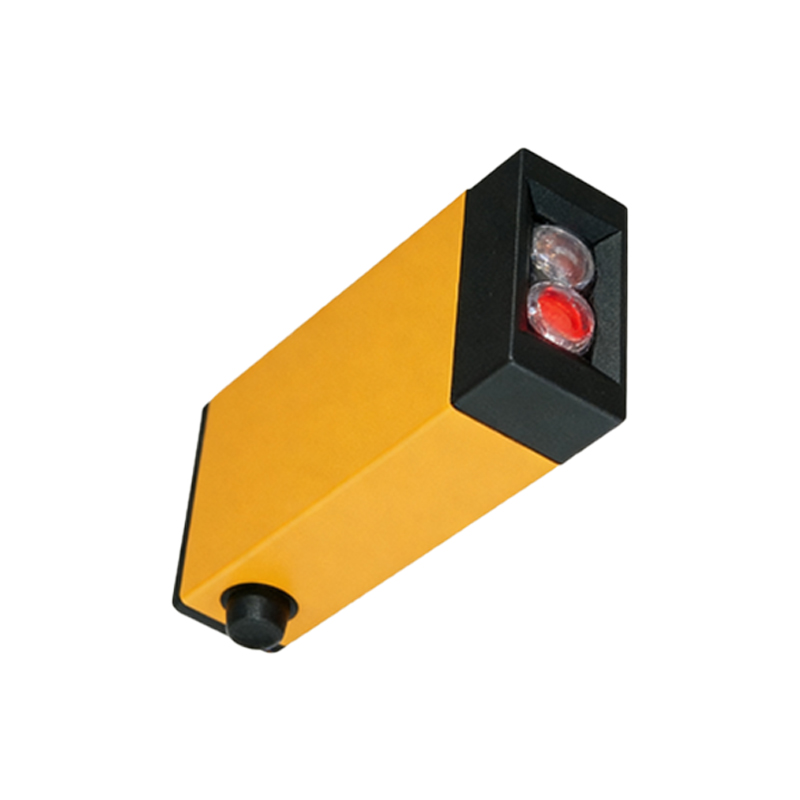
Modern LR Series sensors incorporate user-friendly configuration options. Many models feature a potentiometer for sensitivity adjustment or a push-button for one-touch teaching. The teach-in function allows the sensor to memorize the background and target conditions, automatically setting the optimal threshold. Status indicators are integral for diagnostics: a stable green LED often signifies power-on, while a red or orange LED indicates output activation or a stability margin warning. Some advanced models offer IO-Link communication for digital parameter setting, remote monitoring, and condition diagnostics directly into a PLC system. Regular calibration checks are recommended, especially after environmental changes. Troubleshooting typically involves verifying power supply, checking alignment, cleaning the lens, and confirming that the target object is within the specified sensing range and reflectivity parameters.
Application Scenarios and Industry Solutions
The versatility of the LR Series enables its deployment in numerous industrial sectors. In logistics and packaging, these sensors accurately detect boxes on conveyors, count products, and control filling levels. Within the automotive industry, they are used for part presence verification, robot guidance, and weld seam tracking. In food and beverage production, stainless-steel housing variants ensure hygiene compliance while detecting transparent bottles or labels. Further applications include detecting minute electronic components on PCBs, monitoring web breaks in paper and textile manufacturing, and serving as safety light curtains in hazardous areas. The sensor's ability to detect objects irrespective of material (metal, plastic, wood, glass) and its resilience to vibration, dust, and washdowns make it a cornerstone of industrial automation.
Maintenance, Safety Precautions, and Compliance Standards
To ensure longevity and reliability, periodic maintenance of LR Series sensors is advised. This includes visual inspection for physical damage, cleaning the optical surfaces with a soft cloth, and verifying mounting integrity. Never use abrasive cleaners or solvents that could damage the housing or lens. From a safety perspective, always disconnect power before installation or servicing. These sensors are designed as control devices and must not be used as sole safety components for personnel protection unless explicitly certified as such. The LR Series complies with major international standards, including IEC/EN 60947-5-2 for proximity sensors, and often carries certifications like UL, CE, and IP67/IP68 ratings for dust and water resistance, ensuring safe and reliable operation in global markets.