Introduction to Proximity Sensor Fundamentals
Proximity sensors, often referred to as "little diamond" or compact robust switches in industrial parlance, are non-contact electronic devices designed to detect the presence or absence of objects within their sensing range. Operating without physical contact, these sensors eliminate mechanical wear and tear, ensuring high reliability and longevity in demanding environments. The core principle involves generating an electromagnetic field or beam of radiation and monitoring for changes caused by a target object. Common types include inductive sensors for metallic objects, capacitive sensors for both metallic and non-metallic materials, and photoelectric sensors using light beams. Their ability to function in harsh conditions—amidst dust, moisture, and extreme temperatures—makes them indispensable in modern automation systems, serving as the first line of defense in precision control and safety monitoring.
Key Operational Principles and Sensing Technologies
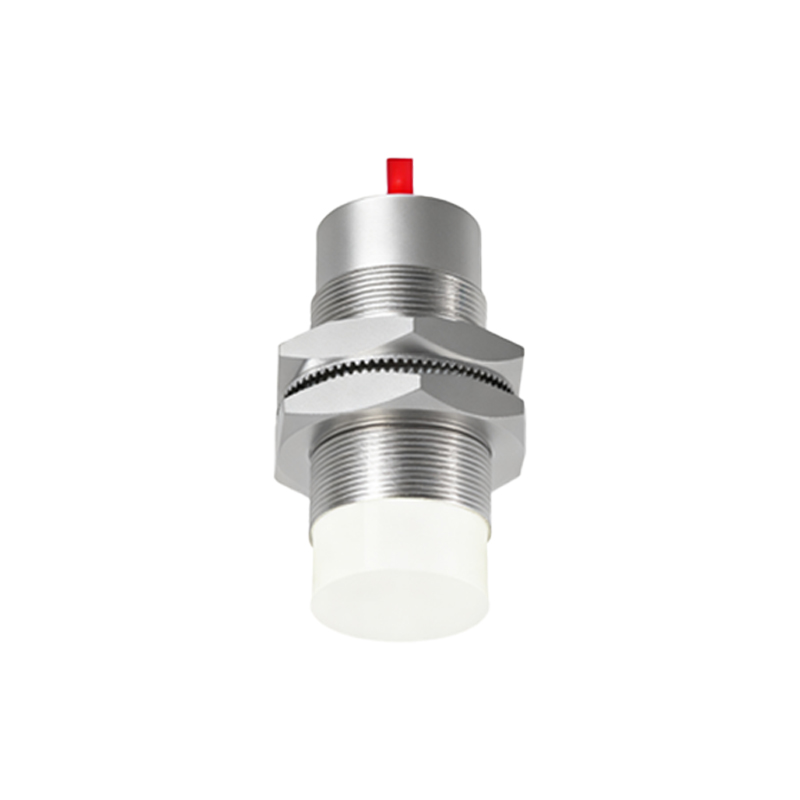
Inductive proximity sensors, a prevalent subtype, generate a high-frequency oscillating magnetic field via a coil and ferrite core. When a conductive metal object enters this field, eddy currents are induced, causing a change in oscillation amplitude. This shift is detected by the sensor's circuitry, triggering an output signal. Capacitive sensors, on the other hand, measure changes in capacitance between the sensor's electrode and the ground. They can detect a wider range of materials, including liquids, powders, and plastics, by sensing dielectric constant variations. Photoelectric variants utilize infrared or visible light, with configurations such as through-beam, retro-reflective, or diffuse reflective models to suit diverse applications. Each technology offers distinct advantages in terms of sensing distance, response time, and environmental immunity, allowing engineers to select the optimal "little guardian" for specific tasks.
Design and Construction of Robust Miniature Sensors
The durability of these compact sensors stems from meticulous engineering. Housings are typically crafted from stainless steel, nickel-plated brass, or ruggedized plastics like PBT or PPS, providing resistance to corrosion, chemicals, and mechanical impacts. Internally, potted electronics shield components from vibration and moisture ingress, often meeting IP67 or IP69K ratings for waterproof and dustproof performance. Advanced models incorporate temperature compensation circuits to maintain accuracy across operational ranges from -25°C to 70°C or beyond. The miniaturization trend has led to cylindrical designs as small as M5 or M8 threads, enabling installation in space-constrained machinery without sacrificing sensing performance. These design features collectively empower the "little diamond" sensor to withstand the rigors of factory floors, automotive assembly lines, and food processing plants.
Critical Applications in Industrial Automation Systems
In automated manufacturing, proximity sensors perform myriad roles. They serve as position detectors for robotic arms, ensuring precise movement and alignment. On conveyor systems, they count products, detect jams, and verify object presence for sorting operations. Within hydraulic or pneumatic cylinders, embedded sensors provide end-of-stroke feedback, enhancing cycle control and safety. Machine tools rely on them for tool wear monitoring and spindle positioning, preventing costly collisions. In packaging machinery, capacitive sensors verify fill levels in containers, while inductive types detect metal caps or seals. Their rapid response times—often in microseconds—enable high-speed production lines to operate efficiently, minimizing downtime and maximizing throughput. This versatility cements their status as foundational components in Industry 4.0 and smart factory initiatives.
Installation, Configuration, and Maintenance Best Practices
Proper installation is paramount for optimal sensor performance. Engineers must consider factors such as mounting distance, alignment, and environmental interferences. For inductive sensors, maintaining a clearance from surrounding metals prevents false triggering. Shielding techniques may be employed in electrically noisy environments to ensure signal integrity. Configuration involves adjusting sensitivity thresholds or teaching-in reference values, often via push-button setups or software interfaces. Regular maintenance includes periodic cleaning of sensing faces to remove contaminants like oil or debris, and verification of output signals using diagnostic tools. Predictive maintenance strategies leverage sensor health data to anticipate failures before they occur. By adhering to these practices, the longevity and reliability of these compact sensors are significantly enhanced, ensuring uninterrupted industrial operations.
Future Trends and Technological Advancements
The evolution of proximity sensors is driven by demands for greater intelligence, connectivity, and miniaturization. Emerging trends include IO-Link communication capabilities, enabling sensors to transmit detailed diagnostic data—such as temperature, signal strength, and operating hours—to control systems for advanced analytics. Integration with Industrial Internet of Things (IIoT) platforms allows for remote monitoring and adjustment, facilitating predictive maintenance and energy optimization. Developments in materials science are yielding sensors with extended sensing ranges and improved immunity to harsh media like welding spatter or coolants. Furthermore, the rise of miniatur