Introduction to Stainless Steel Threaded Housings
In the demanding world of industrial automation and control, the housing of a proximity sensor is its first line of defense. Among various material choices, stainless steel threaded housings have emerged as a premier solution for applications requiring exceptional durability, chemical resistance, and reliable performance. These housings are not merely protective shells; they are integral components engineered to ensure the sensor's longevity and accuracy in challenging conditions. The threaded design allows for secure, vibration-resistant mounting, a critical factor in maintaining precise sensing gaps in dynamic machinery. From food processing plants to offshore drilling rigs, the robust nature of stainless steel provides a shield against physical impacts, corrosive fluids, and extreme temperatures that would compromise lesser materials.
Material Properties and Corrosion Resistance
The primary advantage of a stainless steel housing lies in its inherent material properties. Typically crafted from grades like 303, 304, or 316 stainless steel, these housings offer a superb balance of strength and corrosion resistance. Grade 304 stainless steel provides excellent general-purpose resistance to a wide range of chemicals and atmospheric conditions. For more aggressive environments, such as those involving saltwater or strong chlorides, Grade 316 stainless steel, with its added molybdenum content, is the preferred choice. This corrosion resistance is paramount in preventing pitting, crevice corrosion, and stress-corrosion cracking, which can lead to housing failure and subsequent sensor damage. The passive oxide layer on stainless steel self-repairs in the presence of oxygen, ensuring ongoing protection.
Threaded Design for Secure Installation
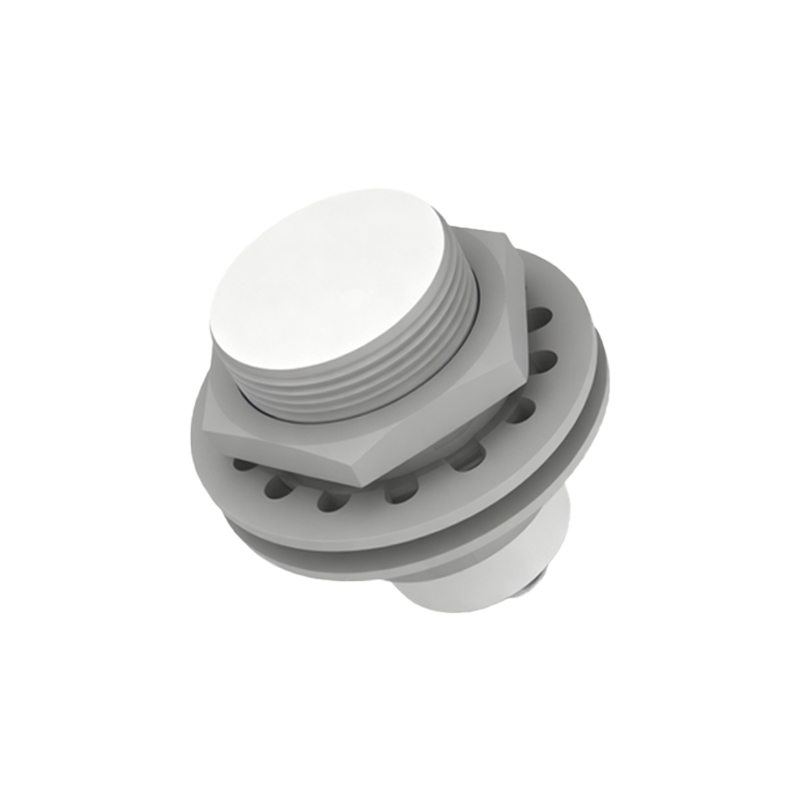
The threaded portion of the housing is a critical engineering feature. Standardized metric (e.g., M8, M12, M18, M30) or NPT threads enable easy integration into machine frames, pneumatic cylinders, or custom fixtures. This threaded interface ensures a mechanically secure fit, preventing the sensor from loosening due to machine vibration—a common cause of failure in high-cycle applications. The precision of the threads also guarantees proper alignment and a consistent mounting depth, which is especially crucial for shielded (flush-mountable) sensor types that require specific installation relative to metallic surfaces. Proper sealing elements, such as integrated O-rings or gaskets, are often incorporated into the threaded design to achieve high Ingress Protection (IP) ratings, typically IP67 or IP69K.
Performance in Extreme Environments
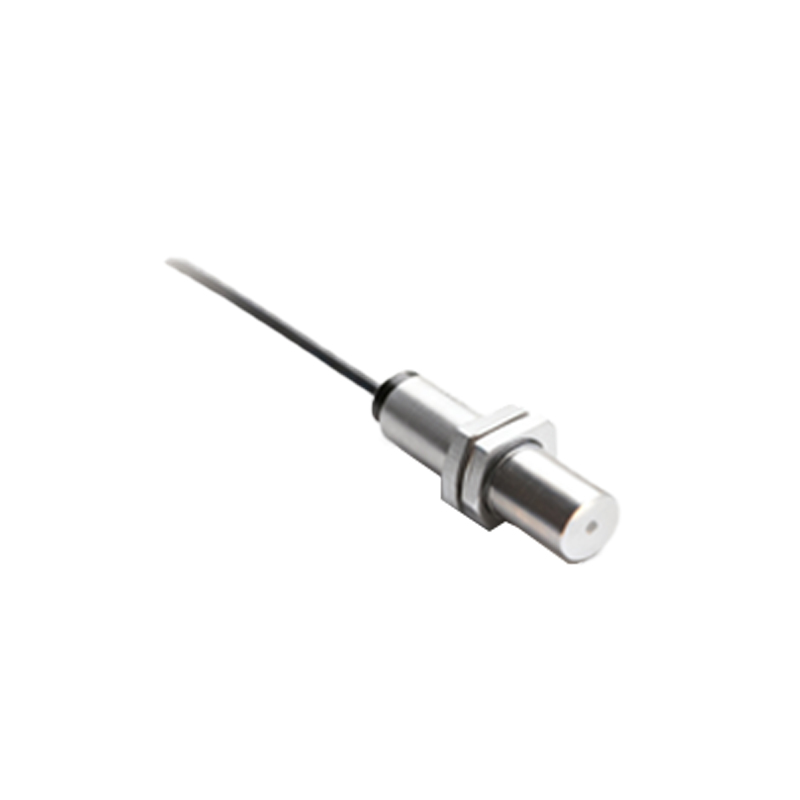
Stainless steel threaded housings are specifically designed to perform where other materials falter. They maintain structural integrity across a wide temperature range, from cryogenic levels to elevated temperatures often encountered near ovens or welding stations. Their non-porous surface is easy to clean and sterilize, making them indispensable in pharmaceutical, food, and beverage industries where hygiene standards are stringent. Furthermore, the electromagnetic properties of stainless steel can be tailored. For inductive proximity sensors, ferritic grades may be used for the housing to influence the magnetic field, while for capacitive or ultrasonic sensors, the housing's role is purely protective and non-interfering.
Applications Across Key Industries
The application spectrum for proximity sensors with stainless steel housings is vast. In automotive manufacturing, they reliably detect parts on high-speed assembly lines resistant to coolants and oils. In marine and offshore applications, they withstand constant exposure to salt spray. Washdown areas in food processing plants utilize sensors with stainless steel housings and high-pressure spray ratings. They are also found in chemical processing plants, mining operations, and packaging machinery—anywhere robustness, reliability, and resistance to aggressive media are non-negotiable requirements for continuous operation.
Selection Considerations and Maintenance
Selecting the right sensor with a stainless steel threaded housing involves several factors. Engineers must consider the specific chemical environment to choose the appropriate stainless steel grade. The thread size and type must match the mounting fixture. The housing length and style (barrel, rectangular) must suit the spatial constraints. While maintenance is minimal, periodic inspection for physical damage, thread integrity, and cleanliness is recommended. It is crucial to use proper tools during installation to avoid galling the stainless steel threads. Despite a higher initial cost compared to plastic or brass housings, the total cost of ownership is often lower due to reduced failure rates and downtime.
Conclusion: A Foundation for Reliability
The proximity sensor stainless steel threaded housing represents a fusion of material science and practical engineering. It transforms a sensitive electronic device into a rugged, industrial-grade component capable of thriving in the most punishing environments. By providing unmatched protection, secure mounting, and long-term stability, this housing type ensures that the critical data provided by the proximity sensor—the presence or absence of an object—remains accurate and dependable year after year. Its continued