Introduction to HP Pro400 Photoelectric Sensors
The HP Pro400 series represents a significant advancement in photoelectric sensing technology, designed to meet the rigorous demands of modern industrial automation. These sensors are engineered for high precision, durability, and versatility across diverse applications, from manufacturing lines to material handling systems. By utilizing advanced optical components and robust housing, the Pro400 ensures consistent performance even in challenging environments characterized by dust, moisture, or temperature fluctuations. Its development stems from extensive research into user needs, focusing on ease of integration and minimal maintenance requirements. As industries increasingly adopt automated processes, the role of reliable sensors like the Pro400 becomes critical in enhancing operational efficiency and reducing downtime. This article delves into the technical specifications, operational principles, and practical benefits of incorporating HP Pro400 sensors into industrial setups.
Technical Specifications and Design Features
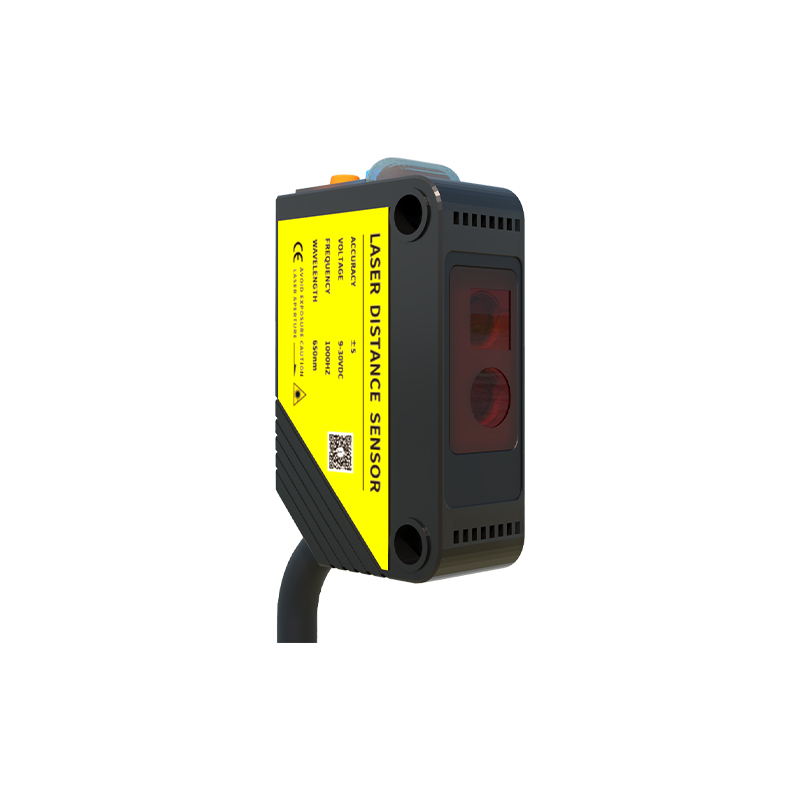
The HP Pro400 photoelectric sensor boasts a range of technical features that set it apart in the competitive market. It typically operates with a sensing distance of up to 4 meters, depending on the model, and offers multiple detection modes including diffuse, retro-reflective, and through-beam configurations. The sensor is constructed with an IP67-rated enclosure, providing protection against water and dust ingress, which is essential for harsh industrial settings. Internally, it incorporates a high-quality LED light source with a visible or infrared beam, ensuring accurate object detection with fast response times. Additionally, the Pro400 includes adjustable sensitivity settings and built-in diagnostics, allowing users to fine-tune performance and troubleshoot issues without extensive downtime. Its compact design facilitates easy mounting in space-constrained areas, while the durable materials ensure longevity under continuous operation.
Operating Principles and Detection Modes
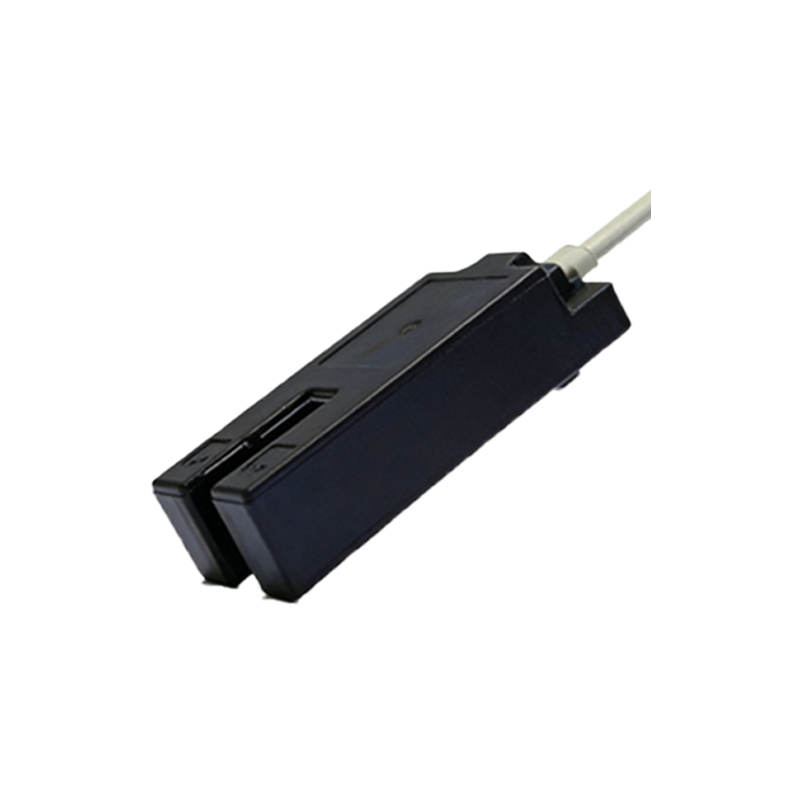
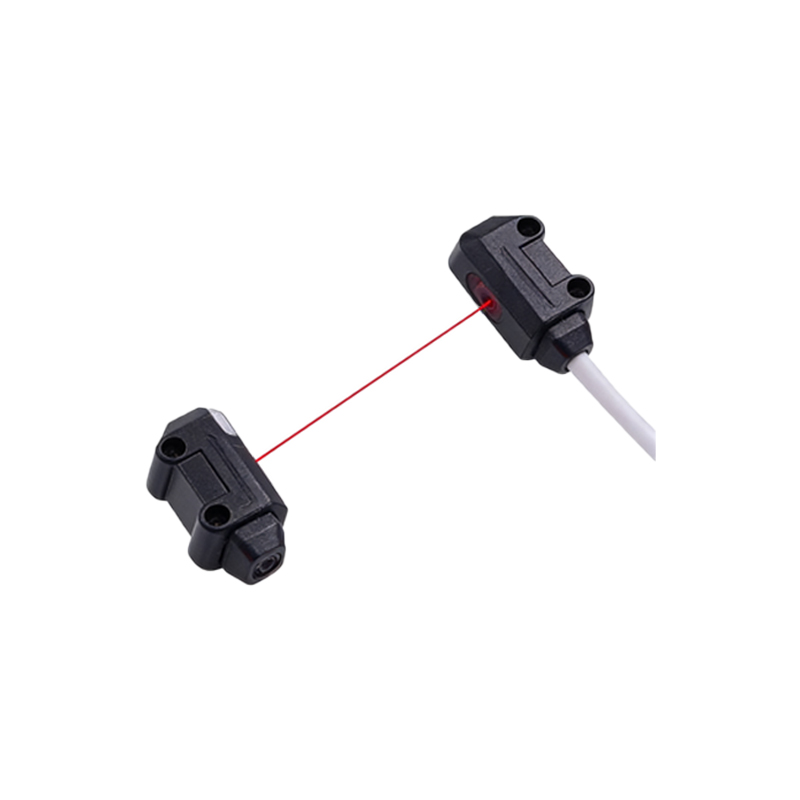
At its core, the HP Pro400 functions by emitting a light beam and detecting changes in its reception, which indicates the presence or absence of an object. In diffuse mode, the sensor uses a single unit to both emit and receive light, relying on the reflection from the target surface. This mode is ideal for detecting objects at close ranges with varying colors or textures. Retro-reflective mode involves a reflector to bounce the beam back to the sensor, enabling detection over longer distances and in environments with potential obstructions. Through-beam mode employs separate emitter and receiver units, offering the highest accuracy and range for applications requiring precise positioning. The Pro400's advanced circuitry minimizes false triggers by filtering out ambient light interference, ensuring reliable operation in dynamic industrial environments. Understanding these modes helps users select the appropriate configuration for specific tasks, optimizing sensor performance.
Applications in Industrial Automation
HP Pro400 photoelectric sensors find widespread use across numerous industrial sectors due to their adaptability and reliability. In packaging lines, they are employed to detect product presence, count items, and control conveyor speeds, thereby streamlining production flow. Automotive manufacturing relies on these sensors for part verification, robot guidance, and assembly line monitoring, where precision is paramount. In logistics and warehousing, the Pro400 aids in inventory management by tracking pallets and packages, reducing errors and improving throughput. Additionally, food and beverage industries utilize them for level sensing in containers and quality control inspections, benefiting from the sensor's resistance to washdowns and contaminants. By integrating Pro400 sensors, companies can achieve higher automation levels, enhance safety, and reduce manual labor costs, contributing to overall operational excellence.
Installation and Maintenance Guidelines
Proper installation and maintenance are crucial for maximizing the lifespan and performance of HP Pro400 sensors. During setup, it is important to align the sensor correctly with the target area, avoiding obstructions that could affect the light beam. Mounting should be secure to prevent vibrations from causing misalignment, and wiring must follow manufacturer specifications to ensure electrical safety. Regular maintenance involves cleaning the lens to prevent dirt buildup, which can impair sensitivity, and checking connections for corrosion or wear. The Pro400's diagnostic features, such as LED indicators for power and output status, simplify troubleshooting by alerting users to potential issues like overloads or beam blockages. Implementing a routine inspection schedule helps prevent unexpected failures, maintaining continuous operation and reducing repair costs over time.
Advantages Over Competing Sensor Technologies
Compared to other sensing technologies like inductive or capacitive sensors, the HP Pro400 offers distinct advantages in terms of versatility and detection capabilities. Photoelectric sensors can detect a wider range of materials, including non-metallic objects, which is essential in industries dealing with plastics, glass, or liquids. The Pro400's adjustable sensing range and modes provide flexibility that fixed-range sensors lack, allowing customization for specific applications. Moreover, its fast response time and high accuracy make it suitable for high-speed production lines where timing is critical. While initial costs may be higher than some alternatives, the long-term benefits of reduced downtime and lower maintenance often result in a better return on investment. By choosing the Pro400, businesses invest in a solution that enhances system reliability and adapts to evolving technological needs.
Future Trends and Industry Impact
The evolution of photoelectric sensors, including the HP Pro400 series, is closely tied to advancements in Industry 4.0 and smart manufacturing. Future iterations may incorporate IoT connectivity for real-time data monitoring and predictive maintenance, enabling proactive management of industrial systems. Enhanced sensitivity and miniaturization could expand applications into areas like robotics and medical devices, where space and precision are at a premium. As sustainability becomes a focus, energy-efficient designs with lower power consumption will likely emerge, aligning with global environmental goals. The Pro400's foundation in robust engineering positions it to adapt to these trends, continuing to support automation efforts worldwide. By staying abreast of technological developments, users can leverage sensors like the Pro400 to drive innovation and maintain competitive edges in their respective fields.