Introduction to Intelligent Proximity Sensing
The evolution of proximity sensing technology has entered a transformative phase with the integration of intelligence. Modern intelligent proximity sensors are no longer simple on/off switches detecting the presence or absence of an object. They are sophisticated devices that combine traditional sensing principles with embedded microprocessors, advanced algorithms, and communication protocols. This fusion enables them to provide rich data about the target—such as precise distance, material composition, speed, and even environmental conditions—while making real-time decisions. The core performance metrics of these sensors, including accuracy, repeatability, response time, and environmental robustness, are significantly enhanced by this computational layer, paving the way for smarter automation and Industry 4.0 applications.
Core Performance Metrics and Enhancements
Evaluating an intelligent proximity sensor requires a deep dive into key performance parameters. Accuracy and linearity are paramount; intelligent sensors employ internal calibration and temperature compensation algorithms to maintain high precision across their entire sensing range. Repeatability, or the sensor's ability to consistently detect an object under identical conditions, is improved through signal filtering and drift correction routines running on the sensor's microcontroller. Response time, critical in high-speed automation, benefits from optimized sensing cycles and faster data processing onboard. Furthermore, intelligent sensors can self-monitor their health, reporting parameters like lens contamination or LED degradation, which directly contributes to predictive maintenance strategies and reduces unplanned downtime.
Advanced Sensing Technologies and Data Fusion
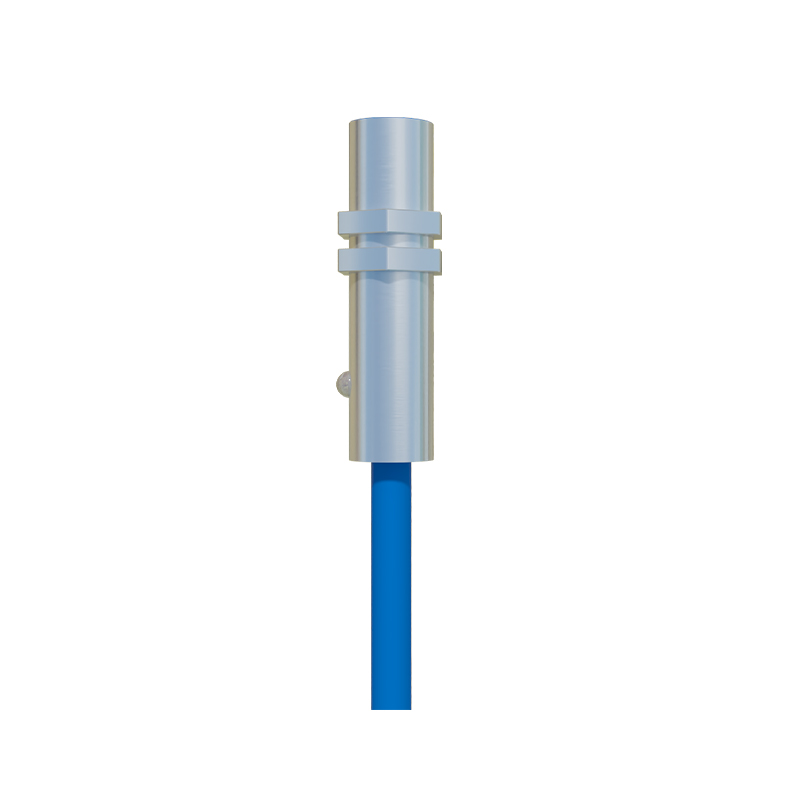
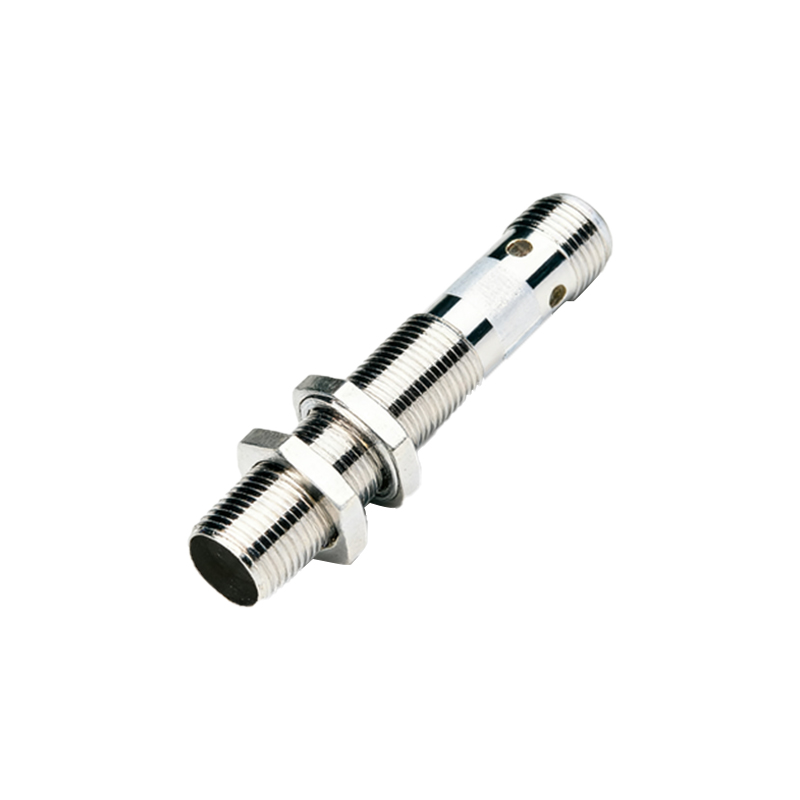
The intelligence of these sensors is deeply tied to the underlying technology. Inductive, capacitive, ultrasonic, and photoelectric sensors have all seen intelligent upgrades. For instance, an intelligent inductive sensor can distinguish between different metals or provide analog distance output with compensated non-linearity. Photoelectric sensors with background suppression can use algorithms to ignore irrelevant objects. The most significant advancement is data fusion. A single sensor unit may combine multiple sensing principles or work in a networked array. The onboard processor fuses this data to reject false triggers, adapt to changing environments (like dust or humidity), and provide a more reliable and context-aware detection signal, which is essential for complex robotic guidance or quality inspection tasks.
Communication and Integration in Industrial Networks
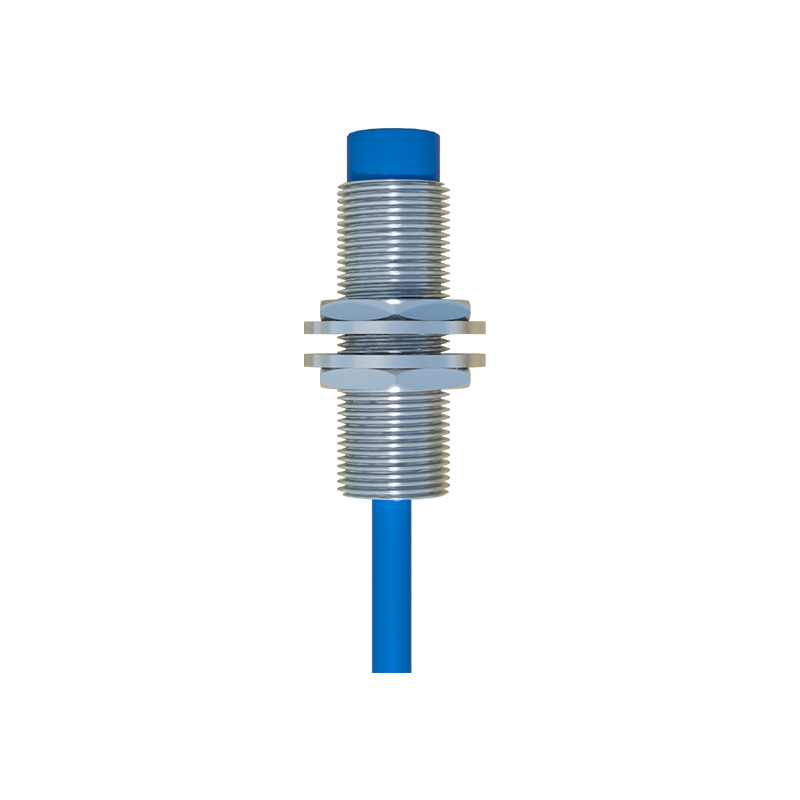
A defining feature of intelligent proximity sensors is their connectivity. They are equipped with industrial communication interfaces such as IO-Link, PROFINET, EtherNet/IP, or Modbus TCP. IO-Link, in particular, has become a standard for point-to-point communication, allowing not only the transmission of the switching signal but also the bidirectional exchange of detailed parameter data, process values, and diagnostic information. This enables remote configuration, monitoring, and troubleshooting from a central control system. Seamless integration into PLCs and SCADA systems allows for dynamic adjustment of sensor parameters based on production line changes, creating highly flexible and reconfigurable manufacturing systems.
Application Scenarios in Modern Automation
The enhanced performance of intelligent proximity sensors unlocks new application possibilities. In automated guided vehicles (AGVs) and mobile robots, they provide precise positioning and collision avoidance. In assembly lines, they ensure correct part orientation and presence before a robotic weld or pick-and-place operation. In condition monitoring, they can detect minute vibrations or positional shifts in machinery, predicting bearing failures. Smart packaging lines use them to count, sort, and verify labels with high reliability. Their ability to operate in harsh environments—resisting washdowns, extreme temperatures, and electromagnetic interference—makes them indispensable in food & beverage and pharmaceutical industries where hygiene and reliability are critical.
Future Trends and Challenges
The future trajectory of intelligent proximity sensors points toward even greater miniaturization, lower power consumption, and enhanced cognitive capabilities. The integration of Artificial Intelligence (AI) and machine learning at the edge will enable sensors to learn from their environment and make complex classifications autonomously. For example, a sensor could learn to identify specific defect patterns on a moving product. Furthermore, the development of standardized semantic descriptions (like in OPC UA) will simplify their integration into larger digital twin ecosystems. Key challenges remain, including managing cybersecurity risks in connected sensors, ensuring interoperability in multi-vendor environments, and balancing increased functionality with cost-effectiveness for widespread adoption across all industry tiers.