Introduction to Photoelectric Sensing Technology
Photoelectric sensors are fundamental components in modern industrial automation and control systems. They operate on a simple yet powerful principle: they emit a beam of light, typically from an LED or laser diode, and detect changes in the received light signal. The core function of a photoelectric sensor is to detect the presence, absence, or specific characteristics of an object without any physical contact. This non-contact method offers significant advantages, including high reliability, long operational life, and the ability to sense a wide variety of materials. From ensuring a bottle is properly filled on a production line to counting boxes on a high-speed conveyor, these sensors are the unseen eyes of the factory floor, providing critical data for process control and safety.
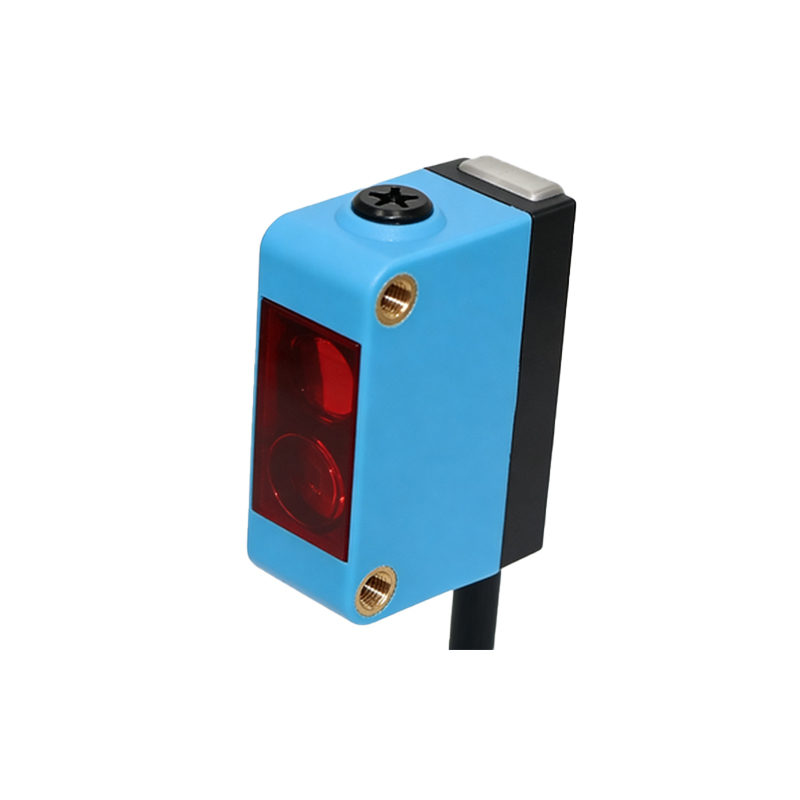
The Primary Detection Targets: Presence, Absence, and Position
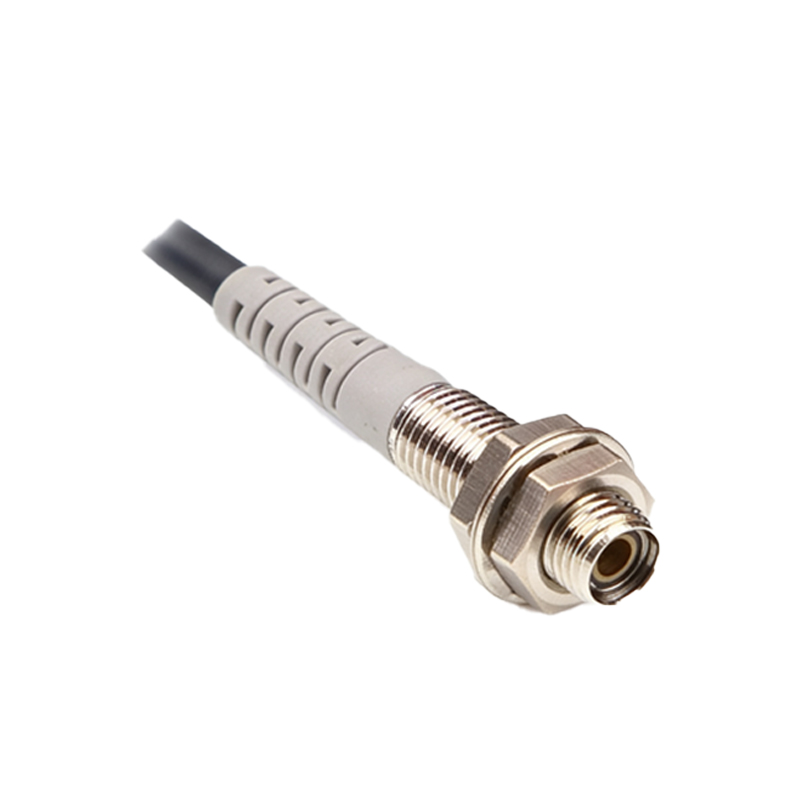
The most common application for photoelectric sensors is the detection of object presence or absence. This is crucial for basic automation tasks like part verification, counting, and jam detection. For instance, a through-beam sensor, where the emitter and receiver are separate units, can detect when an object breaks the light beam between them. This is ideal for precise detection over long ranges. Conversely, a retro-reflective sensor uses a reflector to bounce the light beam back to a combined emitter/receiver unit; an object is detected when it interrupts this reflected beam. Finally, diffuse sensors rely on the reflection of light off the object itself back to the receiver, making them suitable for detecting objects at close range without a separate reflector. In all cases, the sensor's output signal changes state based on whether the target object is present or absent at the sensing point.
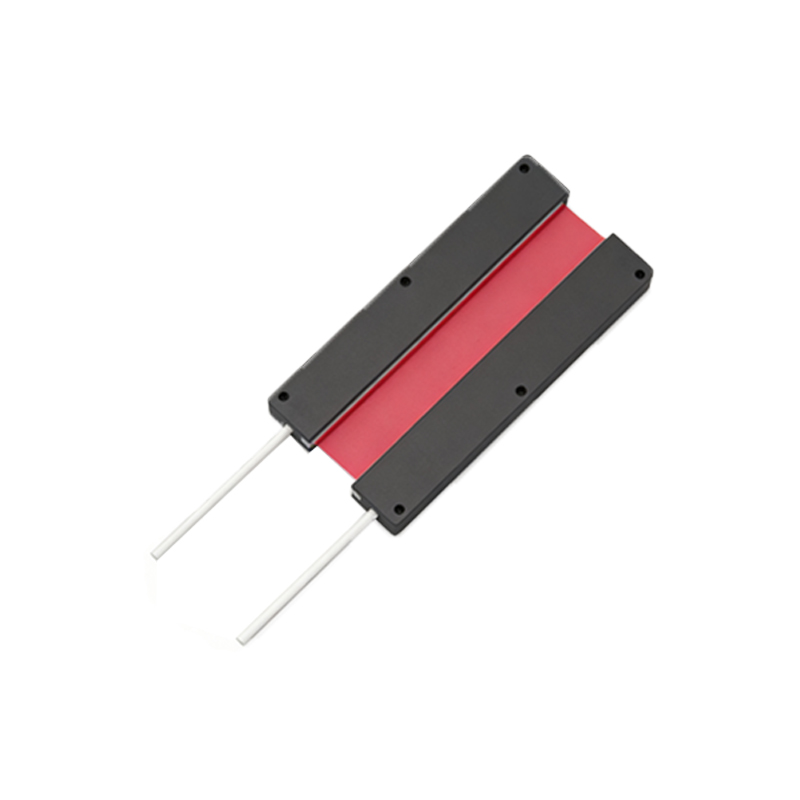
Going Beyond Presence: Detecting Distance and Dimensions
Advanced photoelectric sensors can detect more than just simple presence. Background suppression sensors and true distance-measuring sensors, often using triangulation or time-of-flight principles, can determine an object's precise distance. This allows for tasks like detecting objects on a conveyor belt regardless of the belt's color or material, or ensuring a robotic gripper is at the correct height before picking up a component. Furthermore, specialized sensors like contrast sensors can detect marks, labels, or color differences by measuring the intensity of reflected light. Luminescence sensors can detect materials that glow under UV light, useful in security or special material handling. These capabilities move detection from a binary "yes/no" to a more nuanced measurement of object properties.
Material and Surface Property Detection
Photoelectric sensors are highly effective at differentiating materials based on their optical properties. A clear object sensor, for example, can reliably detect transparent materials like glass or plastic films, which are challenging for standard diffuse sensors. It often uses a polarized light beam to filter out direct reflections, sensing only the retro-reflected light from a special corner-cube reflector placed behind the target. Similarly, color sensors use multiple light sources (e.g., red, green, blue) and sophisticated receivers to distinguish between colors or shades, essential in packaging, sorting, and quality control applications where product color must be verified.
Critical Role in Safety and Process Monitoring
Beyond basic automation, photoelectric sensors form the backbone of many safety systems. Safety light curtains, which are arrays of photoelectric beams, create an invisible protective field around hazardous machinery. If a beam is broken by a person's hand or body, the system triggers an immediate machine shutdown. In process monitoring, sensors with analog outputs can provide continuous feedback on parameters like fill level in a tank (by measuring the distance to the material surface) or the diameter of a rolled material. This real-time data is fed into control systems to maintain precise process conditions, ensuring consistent product quality and operational efficiency.
Conclusion: The Versatile Eye of Industry
In summary, photoelectric sensors are designed to detect a vast array of physical attributes: the fundamental presence or absence of an object, its precise position or distance, its specific material type (including transparent, colored, or luminescent), and its dimensional characteristics. Their versatility, speed, accuracy, and non-contact nature make them indispensable in virtually every sector of manufacturing, logistics, and packaging. By converting light into a reliable electrical signal, they provide the essential input that allows automated systems to "see" and interact with the physical world intelligently and efficiently.