Introduction to Photoelectric Sensor Technology
Photoelectric sensors are fundamental components in modern industrial automation, utilizing light beams to detect the presence, absence, or distance of objects. Their principle of operation is elegantly simple: an emitter projects a light beam (often infrared, visible red, or laser) towards a receiver. When an object interrupts this beam, the sensor's output state changes, generating a precise electrical signal. This high-speed, non-contact detection capability makes them exceptionally suitable for applications requiring accuracy and reliability, such as counting, positioning, and, critically, speed measurement. The transition from standalone sensor units to integrated, app-based monitoring systems represents a significant leap forward in operational intelligence and data accessibility.
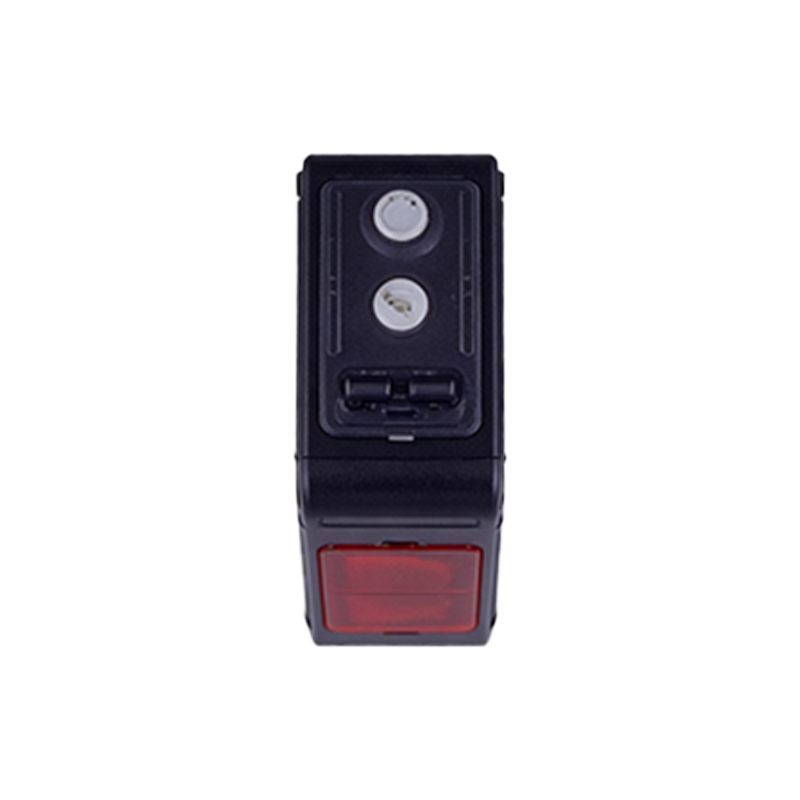
The Core Principle of Speed Measurement
Speed measurement using a photoelectric sensor typically employs one of two primary methods: the pulse counting method or the time-of-flight method. In the pulse counting approach, a rotary encoder disc with alternating transparent and opaque segments is attached to the rotating shaft. The sensor, positioned to read the disc, generates a pulse for each segment that passes. By counting the number of pulses over a precise time interval, the rotational speed (RPM) can be accurately calculated. The formula is straightforward: RPM = (Pulses counted / Number of segments on the disc) * (60 / Measurement time in seconds). This method's accuracy is directly tied to the disc's resolution and the timing precision of the counting system.
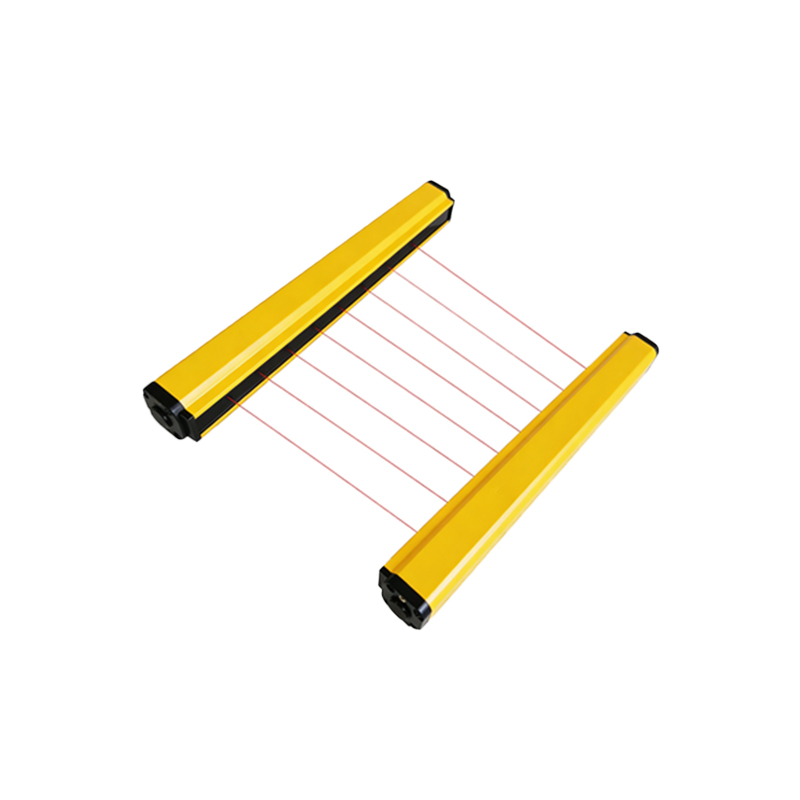
Architecture of a Modern Speed Measurement App
A dedicated photoelectric sensor speed measurement application acts as the crucial bridge between raw sensor data and actionable user insights. The system architecture begins with the sensor module, which transmits its digital pulse signal. This signal is conditioned and interpreted by a microcontroller or a programmable logic controller (PLC). The processed data is then communicated to a mobile device or industrial HMI via standard industrial protocols like Bluetooth, Wi-Fi, or RS-485. The app's core function is to receive this data stream, apply the speed calculation algorithms in real-time, and present the results through an intuitive graphical user interface. Advanced apps may also handle data logging, waveform analysis of the pulse train, and diagnostic checks on sensor health.
Key Features and Functionalities
A robust industrial-grade speed measurement app offers a suite of features designed for efficiency and depth of analysis. Real-time RPM display with configurable units (RPM, RPS, surface speed) is standard. Users can set high and low alarm thresholds, triggering visual and audible alerts for out-of-tolerance conditions—a critical function for predictive maintenance. Data logging capabilities allow for the recording of speed trends over hours, shifts, or weeks, which can be exported for further analysis in spreadsheet or SCADA systems. Diagnostic tools within the app can monitor signal strength, check for misalignment, or detect a dirty lens, preventing downtime. Furthermore, multi-sensor support enables simultaneous monitoring of several machines or different points on a single production line from one central dashboard.
Benefits for Industrial Operations
Integrating a photoelectric sensor with a dedicated app delivers transformative benefits. It enables continuous, remote monitoring, freeing technicians for other tasks while ensuring constant oversight. The precision of digital measurement reduces human error associated with manual tachometers, leading to improved product quality and process consistency. The historical data collected is invaluable for predictive maintenance, allowing teams to identify degrading bearings or slipping belts before they cause catastrophic failure. This proactive approach minimizes unplanned downtime, extends equipment lifespan, and optimizes overall equipment effectiveness (OEE). The app also serves as a powerful training tool, helping new operators visualize and understand machine dynamics.
Implementation and Calibration Considerations
Successful implementation requires careful planning. Sensor selection is paramount; factors like sensing distance, light source type, response frequency, and environmental resistance (to dust, moisture, or ambient light) must align with the application. Proper mounting and alignment are critical to ensure a consistent, uninterrupted beam. The initial calibration within the app is a vital step. This typically involves inputting the specific parameters of the sensing setup, such as the number of pulses per revolution (from the encoder disc) or the circumference of a measured wheel for linear speed. Regular calibration checks against a known reference standard are recommended to maintain long-term accuracy, especially in high-vibration environments.
Future Trends and Integration
The future of photoelectric sensor speed measurement apps lies in deeper integration with the Industrial Internet of Things (IIoT) and Industry 4.0 frameworks. We are moving towards apps that not only display data but also perform edge computing, using onboard analytics to provide immediate insights. Integration with cloud platforms will enable fleet-wide performance benchmarking and advanced AI-driven predictive analytics. Furthermore, the development of standardized communication protocols like OPC UA will simplify connectivity between sensors from different manufacturers and higher-level MES (Manufacturing Execution Systems) or ERP (Enterprise Resource Planning) software, creating a truly seamless data ecosystem for smart manufacturing.