Introduction to Separated Proximity Sensors
In the realm of industrial automation and control, proximity sensors play a pivotal role in enabling non-contact detection of objects. Among the diverse types available, the separated or split-type proximity sensor stands out for its unique design and application flexibility. Unlike traditional unitary sensors, this design physically separates the sensing head from the amplifier or controller unit. This fundamental architectural difference allows for installation in confined spaces where a standard integrated sensor would not fit. The sensing head, often compact and robust, can be mounted directly at the point of detection, while the larger amplifier unit can be placed in a more accessible or environmentally controlled location. This separation is particularly advantageous in harsh industrial environments involving extreme temperatures, heavy vibration, or potential physical damage to electronic components.
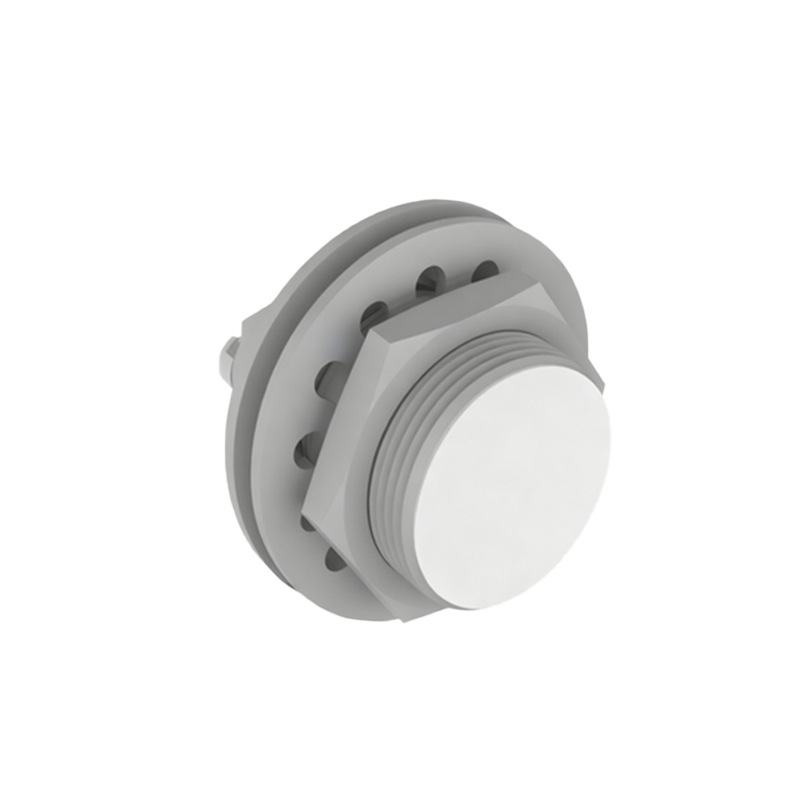
Core Operating Principles and Technology
Separated proximity switches primarily operate on the same foundational principles as their integrated counterparts, most commonly inductive, capacitive, or ultrasonic technologies. Inductive sensors generate an electromagnetic field and detect the eddy current losses caused by a metallic target. Capacitive sensors detect changes in capacitance caused by the presence of any material, metallic or non-metallic. In a separated configuration, the oscillator, coil, or sensing element is housed within the remote sensing head. The critical signal processing, switching decision logic, and output stage are contained within the separate amplifier unit. The two components are connected via a shielded cable, which transmits the high-frequency signal from the sensing head and delivers power and the output signal from the amplifier. This setup minimizes signal degradation over distance and protects sensitive circuitry from on-site interference.
Key Advantages and Design Benefits
The primary benefit of this design is unparalleled installation flexibility. The compact sensing head can be threaded into tight machine cavities, welded onto fixtures, or embedded into machinery without concern for the size of the electronics. This is crucial in modern, densely packed automated systems. Secondly, it offers enhanced durability. The amplifier, containing delicate electronic components, can be installed in a protected control cabinet away from heat, oil, coolant, and mechanical stress, significantly improving system longevity and reliability. Maintenance and troubleshooting are also simplified; a faulty sensing head can be replaced independently of the amplifier, and vice versa, reducing downtime and spare parts inventory costs. Furthermore, one amplifier unit can sometimes support multiple sensing heads through multiplexing, offering a cost-effective solution for multi-point detection.
Typical Applications in Industry
Separated proximity sensors find extensive use across various demanding sectors. In metalworking and CNC machining, they are employed for precise tool positioning, workpiece presence verification, and door interlocking on machining centers, where coolant and metal chips are prevalent. The automotive industry utilizes them in robotic welding cells and paint shops, where the sensing head withstands sparks and overspray while the amplifier remains safe in a cabinet. In material handling and packaging, they monitor bottle caps, label positions, and product counting on high-speed lines. Their resistance to harsh conditions also makes them ideal for outdoor applications, such as monitoring gate positions, vehicle detection in parking systems, or level sensing in bulk material handling, where temperature fluctuations and weather are factors.
Critical Selection and Installation Considerations
Selecting the appropriate separated proximity sensor requires careful analysis of several parameters. First, the sensing technology (inductive, capacitive) must match the target material. The sensing distance, influenced by the target size and material, must be specified for the head. The connection cable length between the head and amplifier is critical, as excessive length can attenuate the signal; manufacturers specify maximum allowable distances. Environmental ratings for both the sensing head (IP67, IP69K) and the amplifier (IP20 for cabinets) must be considered. Electrical characteristics, such as the operating voltage, output type (PNP/NPN, NO/NC), and load current capacity of the amplifier, must align with the control system. During installation, proper shielding and routing of the interconnecting cable away from power lines are essential to prevent electromagnetic interference.
Integration with Modern Control Systems
Modern separated proximity amplifiers are designed for seamless integration into sophisticated industrial networks. Many units feature programmable parameters, such as adjustable sensing thresholds, response delays, and output timers, configurable via teach-in buttons or software interfaces. Outputs can be standard transistor, relay, or even IO-Link, enabling advanced diagnostics and parameterization directly from the PLC. The IO-Link communication standard, in particular, transforms a simple sensor into a smart device, providing real-time data on operating status, signal strength, temperature warnings, and facilitating remote configuration changes. This level of integration supports predictive maintenance strategies and Industry 4.0 initiatives, allowing for centralized monitoring of sensor health across the production floor.