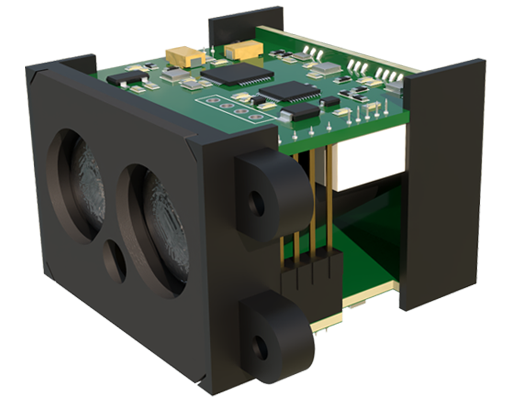
In industrial automation and precision measurement systems, laser sensors are critical components known for their accuracy and reliability. However, operators and maintenance engineers occasionally encounter abnormal noises—such as buzzing, clicking, or humming—emanating from these devices. These sounds are not merely nuisances; they often signal underlying issues that can compromise sensor performance, lead to measurement errors, or even cause system failures. Understanding the root causes and implementing effective solutions is essential for maintaining operational integrity.
One primary cause of abnormal noise in laser sensors is mechanical vibration or misalignment. Laser sensors, especially those in dynamic environments like robotic arms or conveyor systems, are susceptible to external vibrations. When mounting brackets loosen or the sensor housing interacts with vibrating machinery, it can produce buzzing or rattling sounds. Additionally, internal components, such as lenses or emitter assemblies, may become slightly displaced due to shock or wear, leading to irregular clicking noises during operation. Regular inspection of mounting hardware and ensuring secure, vibration-dampened installations can mitigate these issues. Recalibrating the sensor alignment according to manufacturer specifications often resolves noise stemming from internal misalignment.
Electrical interference is another common culprit. Laser sensors rely on precise electronic circuits to generate and detect light beams. In facilities with high-power equipment, electromagnetic interference (EMI) or voltage fluctuations can disrupt these circuits, causing humming or buzzing sounds from oscillating components. This is particularly prevalent in sensors with aging capacitors or power supply units. To address this, verify that the sensor is connected to a stable, clean power source, preferably with surge protection or an uninterruptible power supply (UPS). Shielding cables and moving sensor wiring away from high-voltage lines can also reduce EMI. If the noise persists, consulting the sensor’s technical manual for recommended electrical tolerances or replacing faulty components may be necessary.
Environmental factors play a significant role as well. Dust, debris, or moisture ingress can interfere with the optical elements of a laser sensor. For instance, particles accumulating on the lens may cause the sensor to emit a faint clicking sound as it attempts to adjust focus or intensity. In humid conditions, condensation inside the housing might lead to short circuits or erratic behavior, accompanied by buzzing. Implementing routine cleaning schedules using approved materials (like lint-free cloths and compressed air) helps maintain optical clarity. For harsh environments, selecting sensors with appropriate ingress protection (IP) ratings—such as IP67 for dust and water resistance—can prevent contamination-related noise.
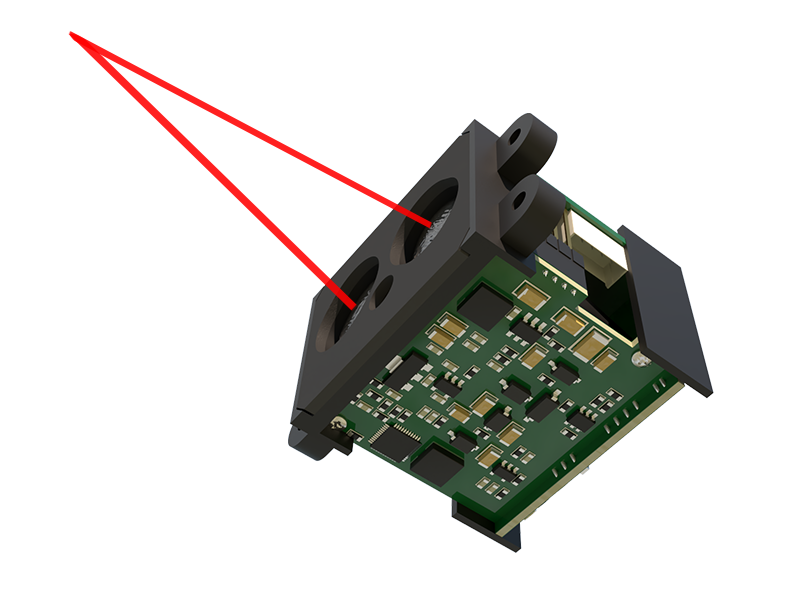
Component wear and tear is an inevitable source of noise over time. Laser diodes, cooling fans, or internal motors may degrade, producing grinding or whining sounds. For example, a failing cooling fan in high-power laser sensors often generates noticeable hums due to bearing wear. Proactive maintenance, including monitoring sensor lifecycle and replacing parts before end-of-life, minimizes unexpected noise and downtime. Most manufacturers provide estimated lifespans for critical components; adhering to these guidelines ensures longevity.
Software or firmware glitches can also manifest as acoustic anomalies. In smart laser sensors with adaptive algorithms, incorrect settings or corrupted firmware might cause the device to overcompensate or cycle improperly, resulting in periodic beeps or clicks. Updating to the latest firmware version and resetting parameters to factory defaults often rectifies such issues. Additionally, ensuring compatibility with connected systems (e.g., PLCs or controllers) prevents communication errors that could trigger noise.
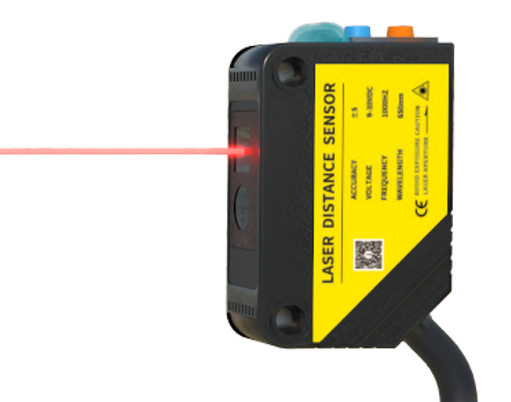
When troubleshooting, start with simple steps: power cycling the sensor, checking connections, and reviewing error logs if available. Documenting noise patterns—such as frequency or correlation with specific operations—aids in diagnosis. If internal damage is suspected, professional repair or replacement may be cost-effective, especially for high-precision sensors where DIY fixes risk further harm.
In summary, laser sensor abnormal noise typically stems from mechanical, electrical, environmental, or software-related factors. By adopting preventive measures like regular maintenance, proper installation, and environmental controls, users can enhance sensor reliability. Addressing noise promptly not only ensures accurate measurements but also extends equipment life, supporting seamless industrial operations.