Modern vehicles are complex systems where numerous components work in harmony to ensure safety, performance, and efficiency. Among these critical components are wheel alignment sensors, often colloquially referred to as "alignment sensors" or "steering angle sensors." These devices are fundamental to advanced driver-assistance systems (ADAS) and overall vehicle dynamics. Their primary role is to monitor the precise angle and position of the steering wheel and the wheels themselves, providing real-time data to the vehicle's electronic control units (ECUs).
There are several types of sensors involved in monitoring wheel alignment and steering. The most common is the steering angle sensor (SAS), typically located within the steering column. This sensor measures the exact rotational position and rate of turn of the steering wheel. Another crucial type is the wheel speed sensor, often part of the anti-lock braking system (ABS). While its main job is to monitor individual wheel speeds for braking control, discrepancies in wheel speed data can indicate alignment issues or tire pressure problems. More advanced systems, particularly in vehicles with adaptive suspension or lane-keeping assist, may use cameras or optical sensors to visually assess the vehicle's position relative to lane markings.
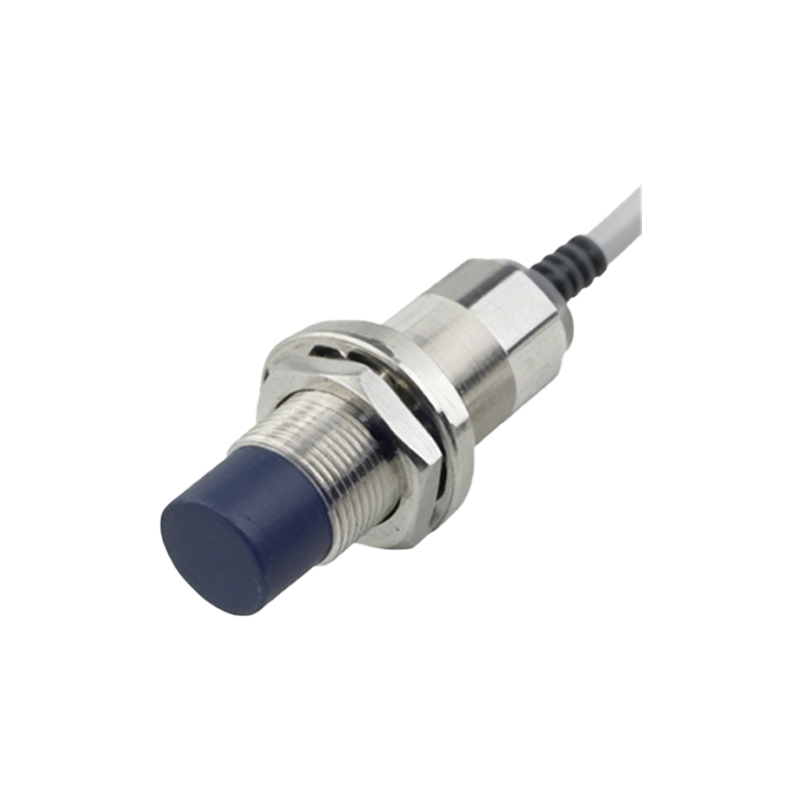
The function of these sensors extends far beyond ensuring your car drives straight. The data they generate is integral to the operation of multiple electronic systems. Electronic Stability Control (ESC) and Traction Control Systems (TCS) rely heavily on steering angle and wheel speed data to detect and correct skids or loss of traction. When you turn the steering wheel, the SAS informs the ESC system about your intended direction. If the wheel speed sensors indicate the vehicle is moving differently—such as in an oversteer or understeer situation—the system can automatically apply brakes to individual wheels to help stabilize the car. Similarly, modern electric power steering (EPS) systems use this data to provide appropriate steering assist, making parking easier and highway driving more stable.
Lane Departure Warning (LDW) and Lane Keeping Assist (LKA) systems are almost entirely dependent on accurate steering angle data combined with camera input. The system needs to know if a lane change is intentional (signaled by a turn signal and corresponding steering input) or unintentional. Adaptive headlights that swivel with the steering wheel also use steering angle sensor data to illuminate the road around corners effectively.
Despite their robust design, wheel alignment sensors are not immune to problems. Common issues include sensor failure due to physical damage, exposure to moisture and corrosion, or simple wear and tear over time. Electrical faults in the wiring harness or connectors can also lead to faulty signals. The most telling symptom of a malfunctioning alignment sensor is the illumination of warning lights on the dashboard, such as the ESC, ABS, or steering system warning light. Drivers may experience noticeable changes in vehicle behavior: the electronic stability control may activate erratically or not at all, the steering may feel unusually heavy or light, lane-keeping assist might stop working, or adaptive headlights may fail to turn. In some cases, the vehicle may even go into a "limp mode" with reduced functionality to protect other systems.
Diagnosing a faulty sensor requires specialized diagnostic tools. A professional technician will use a scan tool to read fault codes from the relevant ECUs. They will also examine live data from the sensors to see if the readings are plausible and change smoothly with steering input. Physical inspection of the sensor, its mounting, and the associated wiring is also a critical step. Replacement is often the solution for a failed sensor, but it is almost always followed by a critical step: calibration or initialization.
Sensor calibration is a non-negotiable procedure after replacement or certain repairs. The vehicle's computer must learn the sensor's "zero" or center position. This process often requires a level floor, specific steering wheel maneuvers, and the use of factory-level diagnostic software. For cameras used in lane-keeping systems, a static calibration using precise targets is frequently necessary. Skipping this step will almost certainly result in persistent warning lights and malfunctioning ADAS features, compromising vehicle safety.
Regular vehicle maintenance plays a role in the longevity of these sensors. Proper wheel alignments, performed with modern computer-based equipment, help ensure the physical angles of the wheels match the data the sensors expect to see. Addressing suspension or steering component wear promptly can prevent unusual forces or vibrations from damaging sensitive sensor components. Keeping electrical connectors clean and dry is also beneficial.
In conclusion, the humble wheel alignment sensor is a cornerstone of modern vehicular safety and convenience. From ensuring stability in emergency maneuvers to enabling semi-autonomous driving features, its accurate data stream is indispensable. Understanding their function, recognizing signs of failure, and acknowledging the necessity of professional repair and calibration are key for any vehicle owner in the digital age. As automotive technology continues to evolve toward greater autonomy, the precision and reliability of these sensors will only become more critical.