Introduction to Photoelectric Sensors in Industrial Settings
Photoelectric sensors are indispensable components in modern industrial automation, particularly within harsh environments like coking plants. These devices operate by emitting a light beam—typically infrared, visible red, or laser—and detecting changes in the received light signal. The fundamental principle involves the interruption, reflection, or modulation of this beam by an object, which is then converted into an electrical output signal. In coking plants, where processes involve high temperatures, heavy dust, mechanical vibrations, and corrosive gases, the reliability and robustness of sensing technology are paramount. Photoelectric sensors offer non-contact detection, high precision, and versatility, making them superior to many mechanical limit switches in such demanding applications. Their ability to function without physical contact with the target object minimizes wear and tear, reduces maintenance needs, and enhances overall system longevity. This article explores the specific types of photoelectric sensors deployed in coking operations and their critical roles in ensuring safety, efficiency, and process control.
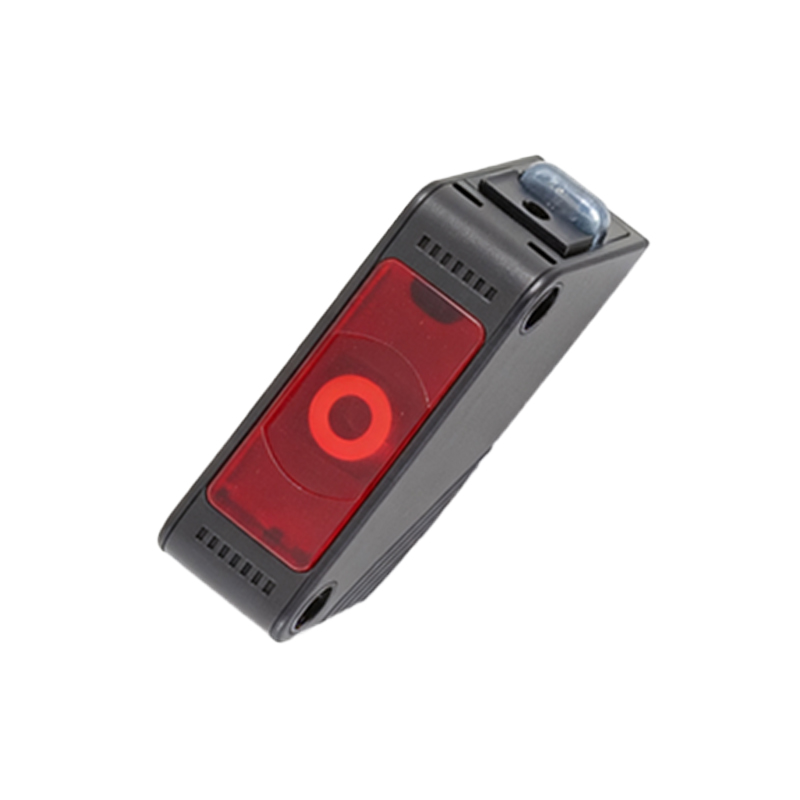
Through-Beam Photoelectric Sensors
Through-beam sensors, also known as opposed-mode sensors, consist of two separate units: a transmitter and a receiver. The transmitter projects a continuous light beam directly to the receiver. Detection occurs when an object physically interrupts this beam. This configuration provides the longest sensing range and highest reliability among photoelectric sensor types, as it is less affected by the object's surface color, reflectivity, or angular orientation. In coking plants, through-beam sensors are extensively used for critical safety and positioning tasks. A primary application is in coke oven machinery, such as the door extractors and pusher cars. They are employed to verify the precise positioning of these massive machines before any operation commences, preventing catastrophic collisions. Furthermore, they serve as safety curtains or light barriers around hazardous moving parts and conveyor transfer points, ensuring personnel protection by immediately halting equipment if the beam is broken.
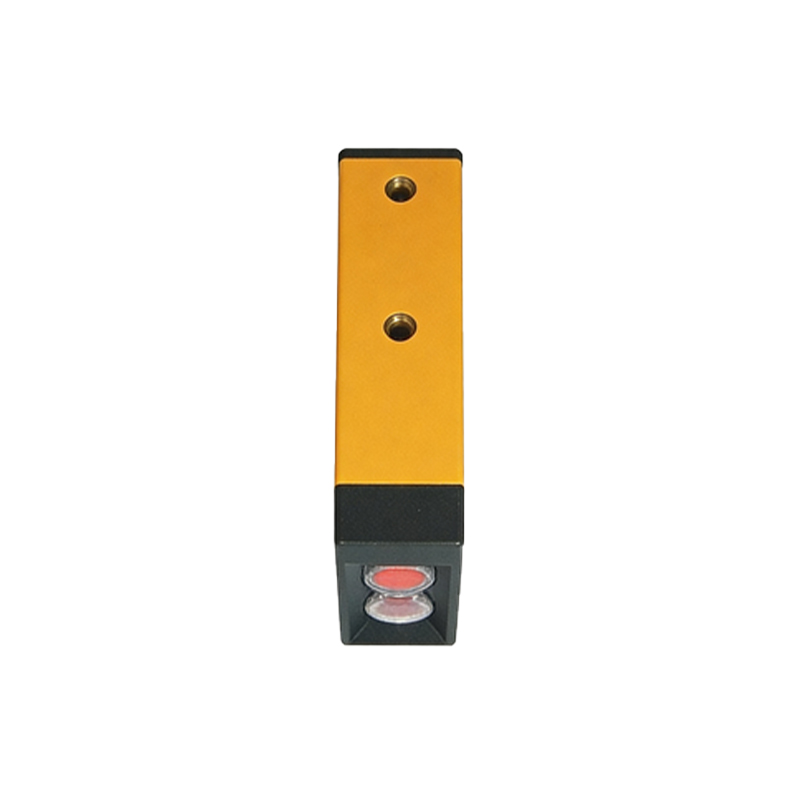
Retro-Reflective Photoelectric Sensors
Retro-reflective sensors house both the light emitter and the receiver in a single housing. They function by directing the light beam towards a specialized reflector, often a corner-cube prism or a reflective tape, which returns the beam directly back to the receiver. An object is detected when it blocks this return path. These sensors offer a good balance between range and convenience, as they require wiring on only one side of the detection point. Within coking plants, they are commonly installed for object detection on conveyor belts transporting coke, coal, or other materials. They can monitor the presence of material at chute inlets or outlets, preventing overflow or ensuring continuous feed. Their robustness makes them suitable for detecting large, irregularly shaped coke pieces. However, in extremely dusty environments like the battery area, regular lens cleaning is essential, as accumulated dust on either the sensor or the reflector can significantly degrade performance and cause false signals.
Diffuse Reflective Photoelectric Sensors
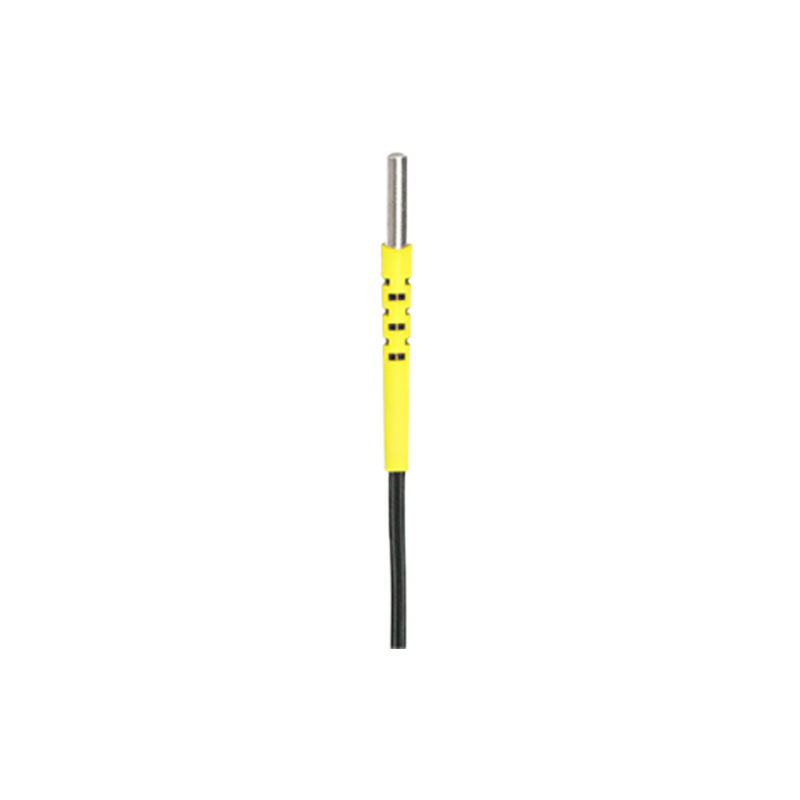
Diffuse reflective sensors, or proximity-mode sensors, also integrate the emitter and receiver. They detect an object by measuring the light reflected directly off the object's surface. The detection range is shorter and more dependent on the object's size, color, and texture compared to other types. These sensors are ideal for applications requiring detection at close range without a separate reflector. In coking contexts, they find use in level detection for bins or silos storing coal or coke breeze. By mounting several sensors at different heights, plant operators can monitor high, low, and intermediate material levels. They are also deployed on packaging lines for finished coke products, detecting the presence of bags or containers on the filling line to trigger or stop the filling process. For optimal performance with low-reflectivity materials like raw coal, sensors with background suppression technology are preferred, as they can reliably detect the target while ignoring more distant background surfaces.
Specialized and Ruggedized Sensor Variants
The extreme conditions of a coking plant necessitate specialized sensor designs. Manufacturers produce sensors with specific protective features to ensure operational integrity. Key variants include high-temperature resistant sensors, which are equipped with advanced heat sinks and specialized optics to withstand radiant heat from hot coke or oven doors. These are critical for detection tasks near quenching cars or hot coke conveyors. Dust-proof and washdown sensors feature high Ingress Protection (IP) ratings (e.g., IP67, IP69K), with sealed housings that prevent the ingress of fine coke dust and moisture during cleaning cycles. Furthermore, sensors with metal housings or resistant coatings protect against chemical corrosion from ammonia, hydrogen sulfide, and other by-products present in the coke oven gas. Fiber optic photoelectric sensors represent another crucial variant, where the sensitive electronics are remotely located, and only the durable fiber optic cables are exposed to the harshest points, such as inside ovens or near very high-temperature zones.
Integration with Control Systems and Maintenance
The effectiveness of photoelectric sensors is fully realized through seamless integration with the plant's Programmable Logic Controller (PLC) or Distributed Control System (DCS). Modern sensors offer various output options—including NPN/PNP transistor, relay, and analog outputs—and communication protocols like IO-Link. This connectivity allows for not just simple on/off detection but also the transmission of diagnostic data, such as signal strength, lens contamination warnings, and operating temperature. Predictive maintenance becomes possible, alerting technicians to clean lenses or replace sensors before a failure causes downtime. Regular maintenance routines are vital and include visual inspection for physical damage, systematic cleaning of optical surfaces with appropriate solvents, and verification of alignment and sensing range. Proper selection, installation, and maintenance of these sensors directly contribute to the continuous, safe, and efficient operation of coke production, from coal handling and coking to by-product recovery and final product shipment.