Non-Contact Sensing
Proximity sensors operate without physical contact with the target object. This fundamental characteristic eliminates mechanical wear and tear, significantly extending the sensor's operational lifespan. By detecting objects through electromagnetic fields, infrared light, or ultrasonic waves, these sensors maintain consistent performance in harsh industrial environments where dust, oil, or vibrations are present. The absence of physical contact also prevents damage to delicate or fragile objects being detected, making them ideal for precision manufacturing and automated assembly lines.
High-Speed Response
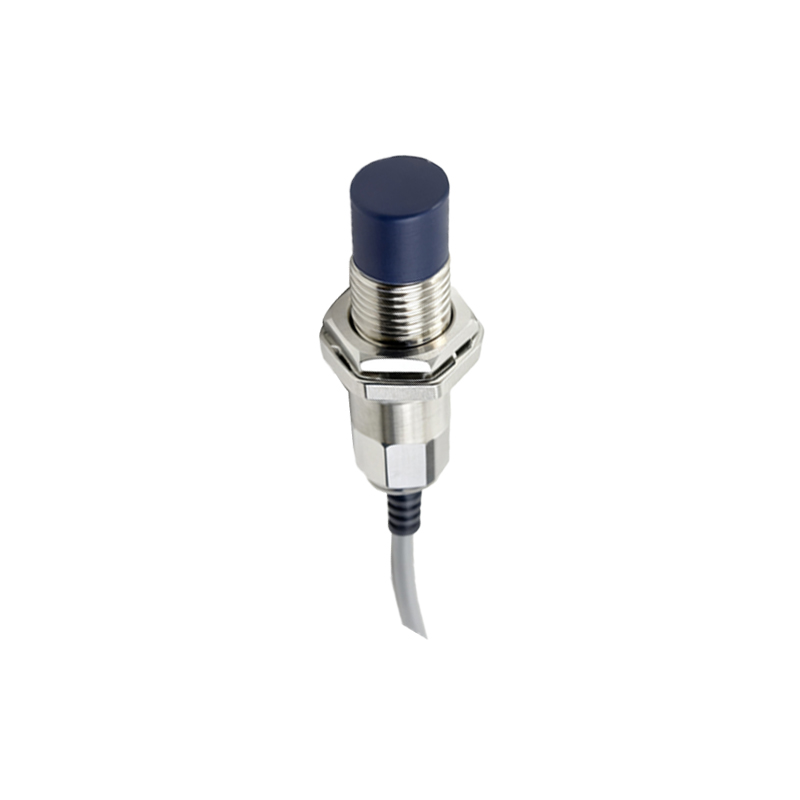
Modern proximity sensors offer exceptionally fast response times, typically ranging from microseconds to milliseconds. This rapid detection capability enables high-speed counting, positioning, and inspection in automated systems. For instance, in packaging machinery or conveyor belt systems, sensors can accurately detect objects moving at high velocities without missing a single item. The quick response also contributes to improved cycle times in production processes, enhancing overall efficiency and throughput in industrial operations.
Environmental Resistance
Industrial-grade proximity sensors are designed to withstand challenging environmental conditions. They feature robust housings made from materials like stainless steel, nickel-plated brass, or engineering plastics that provide resistance against water, oil, chemicals, and temperature extremes. Many sensors carry IP67 or higher ingress protection ratings, ensuring reliable operation even when exposed to washdown procedures or outdoor elements. This durability minimizes maintenance requirements and reduces downtime in demanding applications.
Detection Consistency
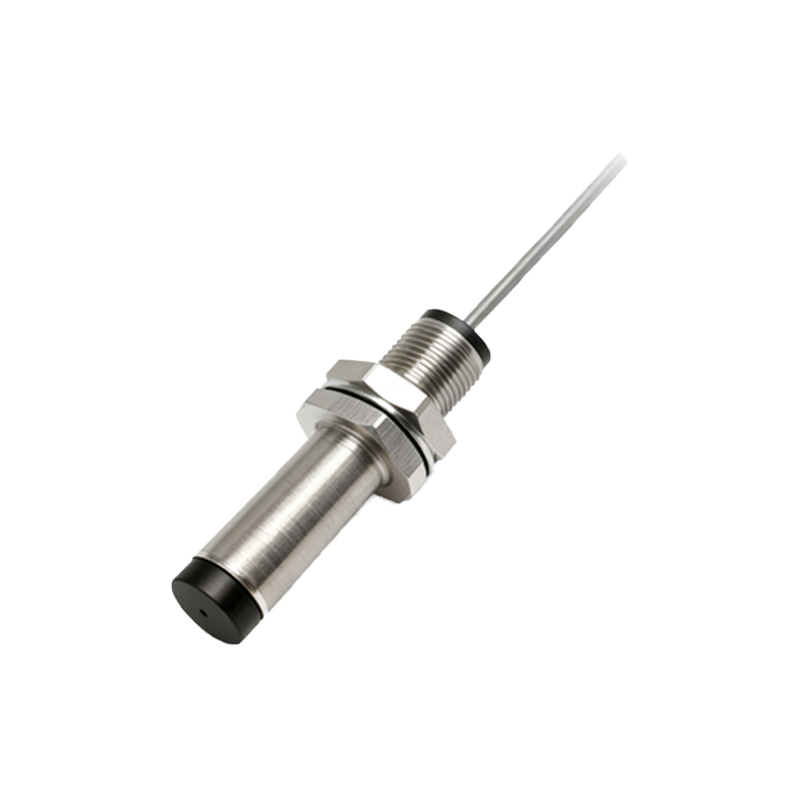
Unlike mechanical switches that may suffer from contact bounce or wear-related inconsistencies, proximity sensors maintain stable detection characteristics throughout their service life. They provide repeatable sensing distances with minimal deviation, ensuring reliable object detection in automated processes. This consistency is particularly valuable in quality control applications where precise positioning or presence verification is critical. Advanced models incorporate temperature compensation circuits to maintain accuracy despite environmental temperature fluctuations.
Versatile Sensing Ranges
Proximity sensors are available with various sensing distances to accommodate different application requirements. Inductive sensors typically offer ranges from 1 to 60 millimeters for metal detection, while capacitive sensors can detect non-metallic materials at similar distances. Ultrasonic and photoelectric proximity sensors provide even longer ranges, sometimes extending to several meters. This versatility allows engineers to select appropriate sensors based on specific detection needs, object materials, and installation constraints.
Compact Design
The miniaturization of electronic components has enabled the development of extremely compact proximity sensors that can be installed in space-constrained locations. Cylindrical sensors with diameters as small as 4 millimeters are available for applications where mounting space is limited. Despite their small size, these sensors maintain robust performance characteristics. Their compact dimensions facilitate integration into machinery, robotic grippers, and mobile equipment without interfering with other components or operations.
Output Flexibility
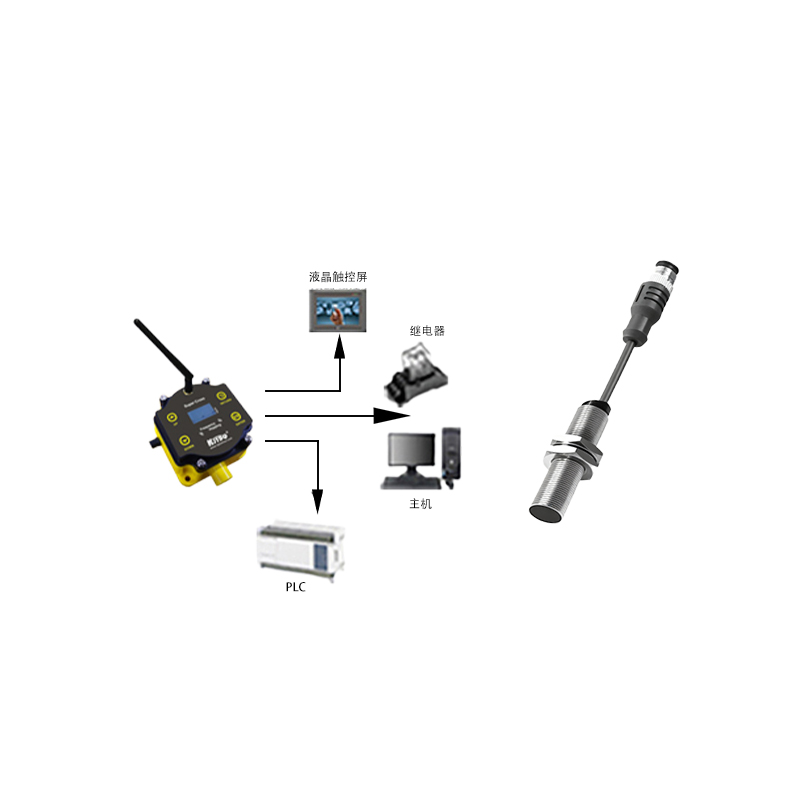
Proximity sensors support various output configurations to interface with different control systems. Common output types include NPN, PNP, analog current (4-20mA), analog voltage (0-10V), and IO-Link digital communication. This flexibility allows seamless integration with PLCs, microcontrollers, and industrial networks. Some advanced sensors feature programmable parameters, enabling users to adjust sensing distance, output delay, or switching hysteresis through configuration tools or directly via connected controllers.
Application Adaptability
Beyond basic object detection, modern proximity sensors incorporate features that enhance their application adaptability. Self-diagnostic capabilities alert operators to potential issues like sensor contamination or misalignment. Temperature monitoring functions provide early warnings about overheating conditions. Specialized variants include weld-field immune sensors for robotic welding applications, high-temperature models for foundry environments, and hygienic designs for food processing equipment. This adaptability ensures optimal performance across diverse industrial sectors.