Understanding the Need for Anti-Interference Proximity Sensors
In the complex electromagnetic environment of modern industrial facilities, standard proximity sensors can face significant operational challenges. Electrical noise from variable frequency drives, welding equipment, and heavy machinery can cause false triggering, signal degradation, or complete sensor failure. This interference compromises system reliability, leading to costly production downtime, safety risks, and product quality issues. Anti-interference proximity sensors are specifically engineered to maintain stable and accurate performance in these electrically noisy conditions. They incorporate advanced shielding, sophisticated filtering circuits, and robust housing designs to reject electromagnetic interference (EMI) and radio-frequency interference (RFI), ensuring consistent detection of targets.
Key Features of High-Performance Proximity Sensors
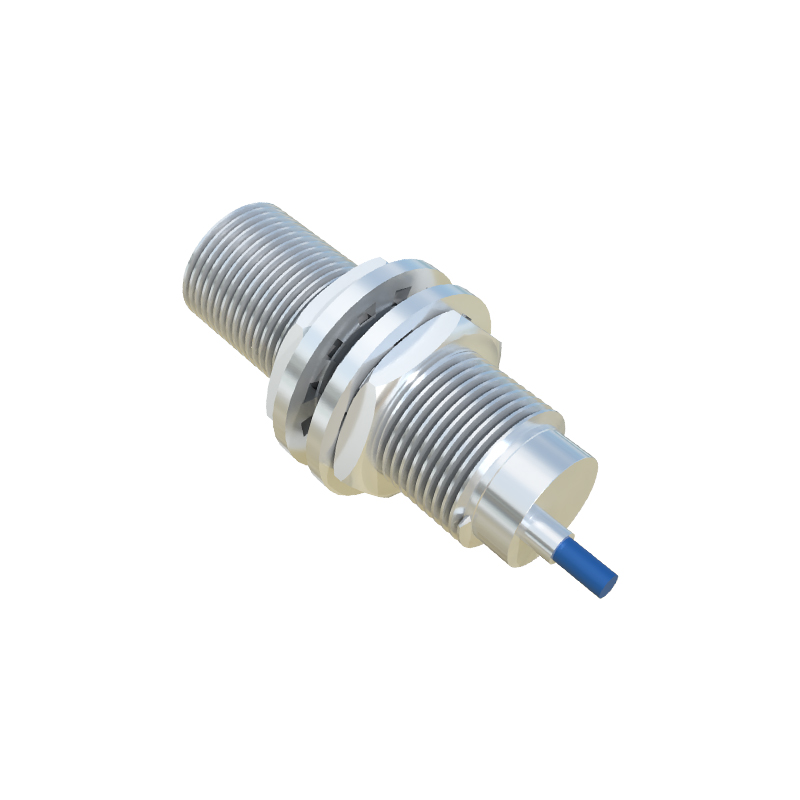
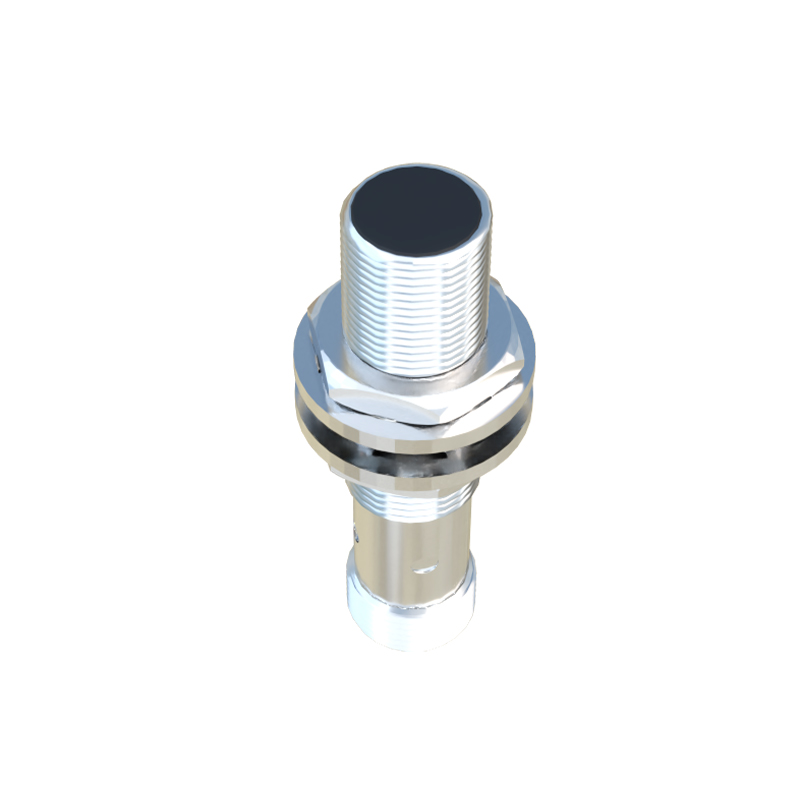
Leading suppliers differentiate their products through a suite of critical features designed for resilience. Electromagnetic compatibility (EMC) compliance, meeting standards like IEC 60947-5-2, is a fundamental requirement, indicating the sensor's ability to operate without being affected by or generating excessive interference. Advanced models feature metal housings that act as Faraday cages, shielding internal electronics. Integrated electronic circuits often include digital signal processing to filter out noise. Furthermore, these sensors are built with high IP ratings (e.g., IP67, IP69K) for resistance to dust, water, and chemicals, ensuring longevity in harsh industrial environments. Short-circuit and overload protection are also standard, safeguarding both the sensor and the control system.
Leading Global Suppliers in the Market
The market for robust proximity sensors is served by several established global leaders. Companies like Siemens, with its SIMATIC portfolio, offer a wide range of inductive, capacitive, and ultrasonic sensors known for high noise immunity in automation settings. Pepperl+Fuchs is another industry benchmark, renowned for its expertise in intrinsic safety and sensors designed for extreme industrial conditions, featuring exceptional EMI/RFI immunity. Omron provides comprehensive solutions, including their E2E series, which boasts advanced ASIC technology for stable detection against background interference. Banner Engineering is highly regarded for its innovative and rugged sensors, often featuring patented technologies for ignoring adjacent metal and environmental contaminants.
Selection Criteria for Your Application
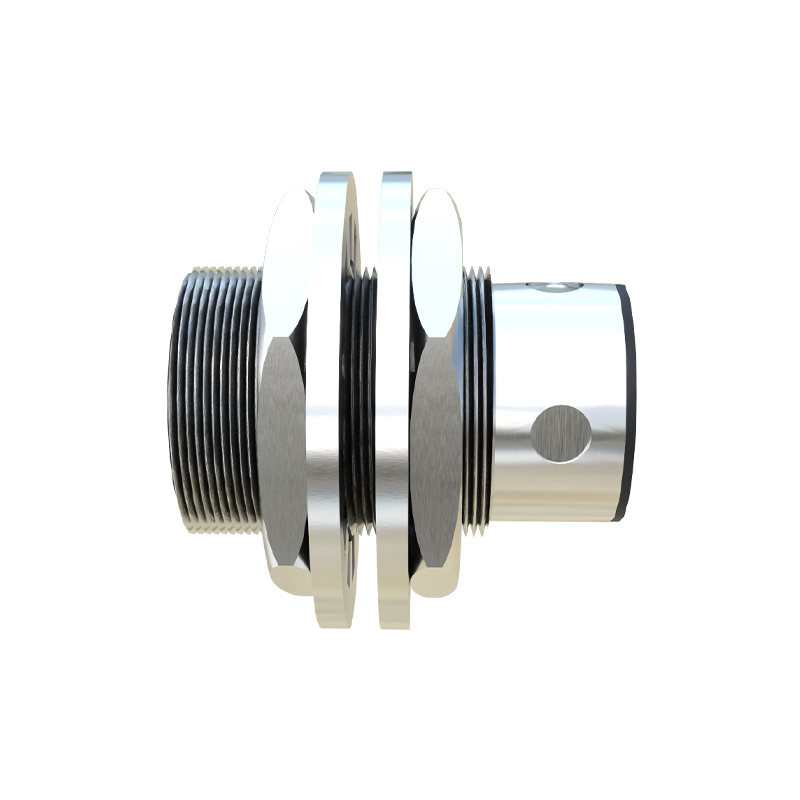
Choosing the right supplier and sensor model requires a detailed analysis of the application. First, identify the primary source and type of interference in the installation area. Determine the required sensing distance, target material, and output type (PNP/NPN, analog, IO-Link). The sensor's housing material (stainless steel, nickel-plated brass, PBT plastic) must be compatible with the environmental exposure to oils, coolants, or cleaning agents. Mounting constraints and connection methods (pre-wired, quick-disconnect) are practical considerations. Finally, evaluate the supplier's technical support, global availability, and the ease of integrating the sensor into your existing control architecture, such as PLC or bus systems.
The Role of Advanced Technologies and Connectivity
The evolution towards Industry 4.0 and smart factories is pushing suppliers to integrate smarter features into anti-interference sensors. IO-Link communication has become a significant trend, transforming standard sensors into intelligent devices. IO-Link allows for parameter setting, real-time monitoring of operating conditions, and advanced diagnostics, all through a single standard cable. This enables predictive maintenance by alerting operators to potential issues like mounting misalignment or buildup of debris before a failure occurs. Furthermore, sensors with enhanced algorithms can better distinguish between true target signals and environmental noise, pushing the boundaries of reliability in the most demanding applications.
Ensuring Long-Term Reliability and Performance
Investing in high-quality anti-interference sensors from reputable suppliers is ultimately a decision for long-term operational stability. Proper installation is crucial; this includes using shielded cables, grounding the sensor and machinery correctly, and routing signal cables away from power lines. Regular maintenance, as simple as keeping the sensing face clean, preserves optimal performance. Partnering with a supplier that offers detailed technical documentation, application engineering support, and a reliable global supply chain minimizes risk and ensures that your automation systems run smoothly, maximizing productivity and safeguarding your capital investment.