Introduction to Large-Scale Proximity Sensing Technology
Proximity sensors are indispensable components in modern industrial automation, enabling non-contact detection of objects within a defined range. Large-scale applications, such as automotive assembly lines, material handling in logistics centers, and heavy machinery monitoring, demand sensors with enhanced range, durability, and precision. These sensors operate on various principles, including inductive, capacitive, ultrasonic, and photoelectric technologies, each suited to specific environmental conditions and target materials. The evolution towards Industry 4.0 and smart factories has further accelerated the adoption of advanced proximity sensors capable of integrating with IoT platforms for real-time data analytics and predictive maintenance. Understanding the fundamental operating principles is the first step in selecting the appropriate model for large-scale, high-stakes industrial environments where reliability and accuracy are paramount.
Key Specifications and Performance Parameters
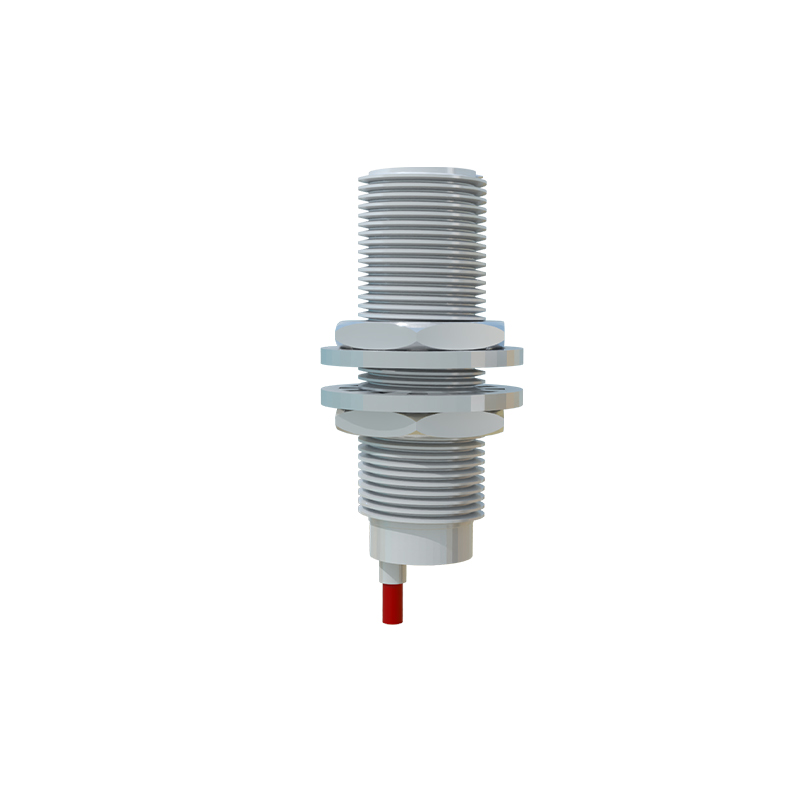
When evaluating proximity sensors for large-scale deployment, several critical specifications must be considered. Sensing range, typically measured in millimeters to meters, defines the maximum distance at which the sensor can reliably detect an object. Factors such as target material, size, and shape can influence this range. Response time, often in milliseconds, determines how quickly the sensor can detect changes and output a signal, which is crucial for high-speed production lines. Environmental ratings, including IP (Ingress Protection) codes for dust and water resistance, and temperature operating ranges, ensure longevity in harsh conditions. Additionally, output types (e.g., NPN/PNP, analog, IO-Link) and housing materials (e.g., stainless steel, brass, PBT plastic) must align with the electrical and physical demands of the application. A thorough analysis of these parameters prevents operational failures and optimizes system performance.
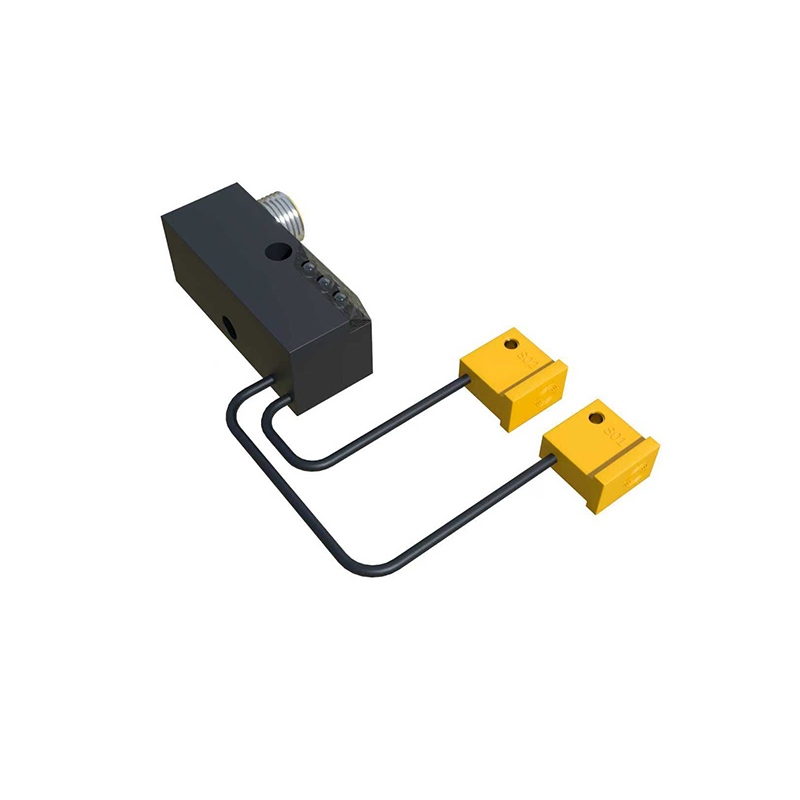
Inductive Proximity Sensor Models for Metallic Targets
Inductive proximity sensors are exclusively used for detecting metallic objects, making them ideal for manufacturing and machinery applications. Leading models in this category include the Turck BI10-M30-AP6X-H1141, known for its extended range up to 40mm and robust nickel-plated brass housing, suitable for aggressive industrial environments. The Sick IME18-08BPS-ZW1 offers a compact design with a 8mm sensing range and high switching frequency, perfect for space-constrained automated systems. For heavy-duty applications, the Pepperl+Fuchs NJ30+U1+2M provides a 30mm range with excellent electromagnetic compatibility and temperature resilience from -25°C to 70°C. These models often feature short-circuit protection, overload prevention, and LED status indicators, enhancing their reliability in continuous large-scale operations where detecting metal components, such as conveyor parts or robotic arms, is essential.
Capacitive Proximity Sensors for Non-Metallic Materials
Capacitive proximity sensors can detect both metallic and non-metallic materials, including liquids, plastics, and wood, by measuring changes in capacitance. Notable models include the Balluff BC10K-03GM40-E5-M, which offers adjustable sensitivity and a sensing range up to 40mm, ideal for level detection in tanks or packaging lines handling diverse materials. The ifm electronic CQ20-14NPK is a compact sensor with a 20mm range and PNP output, designed for applications requiring detection of glass or cardboard. For challenging environments, the Siemens 3RG7622-3AA00 features a robust housing and high noise immunity, capable of operating in humid or dusty conditions. These sensors are pivotal in industries like food and beverage, pharmaceuticals, and paper manufacturing, where versatility in object detection is required without direct contact, preventing contamination or damage.
Ultrasonic and Photoelectric Sensor Variants
Ultrasonic proximity sensors use sound waves to detect objects, excelling in applications requiring longer ranges or detection of transparent or irregularly shaped items. Models like the Banner Q45UR provide ranges up to 8 meters with analog output, suitable for bulk material level monitoring or pallet detection in warehouses. Photoelectric sensors, utilizing light beams, are divided into through-beam, retro-reflective, and diffuse types. The Keyence FU-67F through-beam sensor offers high-precision detection over distances up to 15 meters, resistant to ambient light interference. For reflective surfaces, the Omron E3Z-T81 diffuse sensor with background suppression ensures accurate detection by ignoring distant objects. These technologies are essential in logistics, automotive, and packaging industries, where flexibility and long-range capabilities are critical for automating complex processes.
Selection Criteria for Large-Scale Industrial Deployment
Choosing the right proximity sensor for large-scale