Introduction to Photoelectric Sensors
Photoelectric sensors are fascinating devices that detect the presence, absence, or distance of objects using light. In middle school science, these sensors serve as an excellent introduction to the principles of optics and electronics. They operate by emitting a light beam—typically from an LED or laser—and measuring how this light is reflected, absorbed, or interrupted by an object. This simple yet effective mechanism makes them widely used in everyday applications, from automatic doors to industrial machinery. For students, learning about photoelectric sensors bridges theoretical concepts like light reflection with practical technology, fostering curiosity and hands-on experimentation in STEM fields.
How Photoelectric Sensors Work
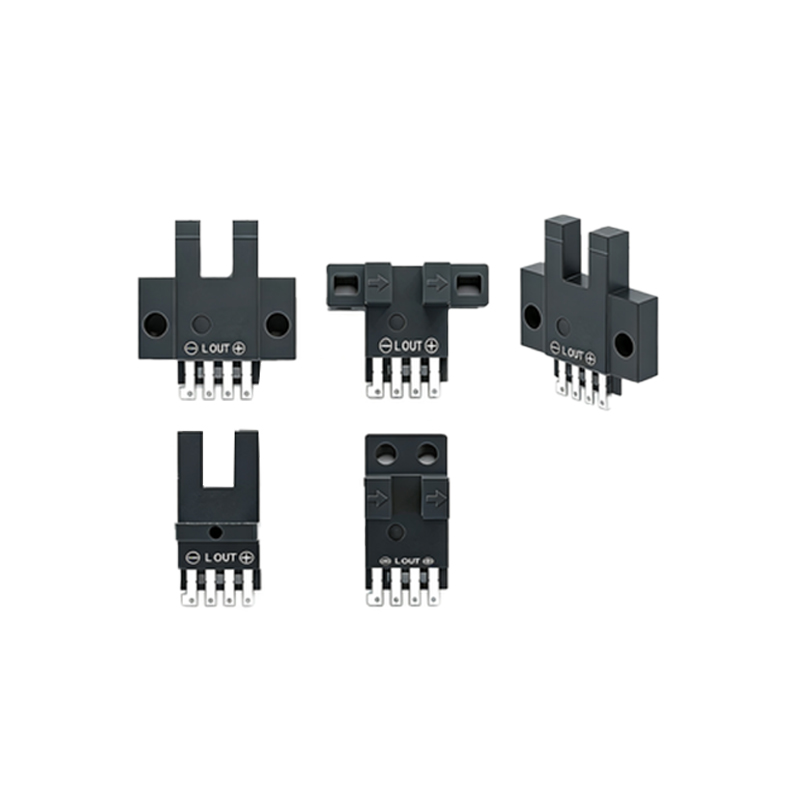
The core operation of photoelectric sensors involves three main components: an emitter, a receiver, and a signal processor. The emitter generates a light beam, which travels toward a target. When the light hits an object, it may be reflected back to the receiver, absorbed, or blocked entirely. The receiver then converts the light into an electrical signal, which is analyzed by the processor to determine the object's characteristics. There are three common types: through-beam sensors, where the emitter and receiver are separate units detecting interruptions; retro-reflective sensors, which use a reflector to bounce light back; and diffuse sensors, relying on light scattering from the object itself. Each type offers unique advantages, such as precision or ease of installation, making them suitable for different scenarios in science projects.
Applications in Daily Life and Industry
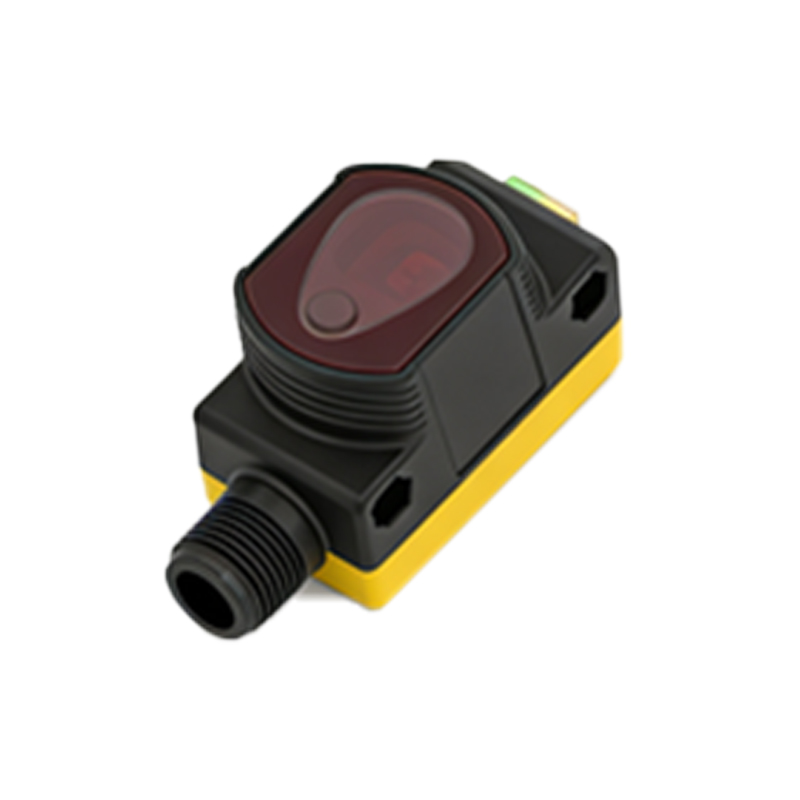
Photoelectric sensors are ubiquitous in modern technology, providing real-world examples for middle school students to explore. In daily life, they enable automatic faucets, elevator safety systems, and barcode scanners. In industrial settings, they ensure efficiency in assembly lines by counting products or detecting misaligned parts. For educational purposes, students can build simple projects like a light-activated alarm or a robot that avoids obstacles. These applications demonstrate how sensors integrate physics and engineering, highlighting their role in automation and safety. By studying these uses, learners gain insight into career paths in electrical engineering and robotics, inspiring future innovation.
Educational Experiments with Photoelectric Sensors
Hands-on experiments are key to understanding photoelectric sensors in middle school. A basic project might involve connecting a sensor to a microcontroller, such as an Arduino, to measure light intensity or detect motion. Students can explore variables like distance, color, and surface texture to see how they affect sensor readings. For instance, testing how a white versus black object reflects light teaches principles of absorption and reflection. Safety is paramount—using low-voltage components and supervised setups ensures a risk-free learning environment. Through these activities, students develop critical thinking and problem-solving skills, while also learning about circuit design and programming basics.
Advantages and Limitations
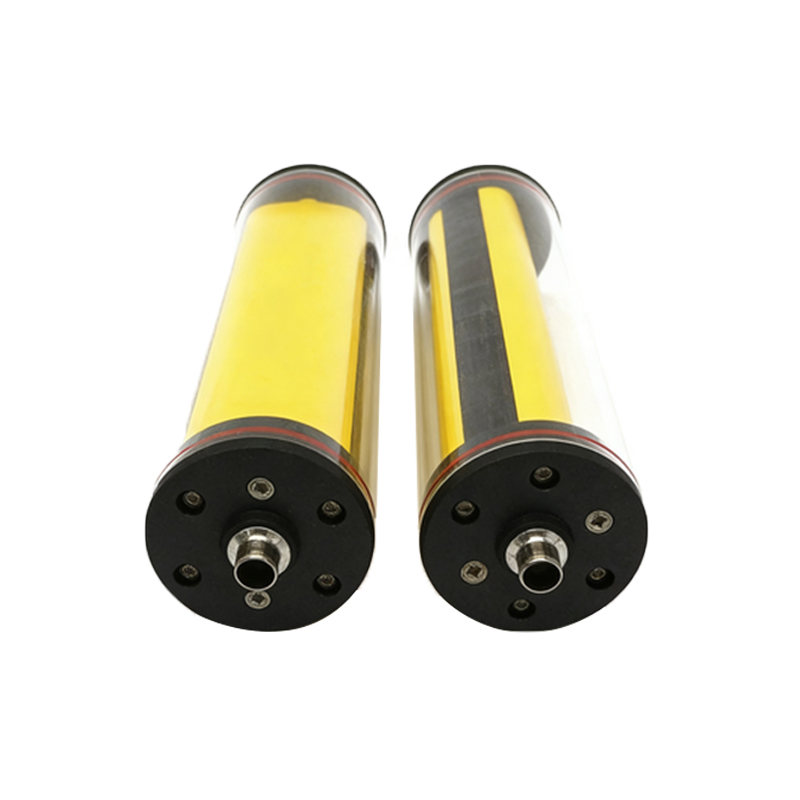
Photoelectric sensors offer several benefits that make them ideal for educational use. They are non-contact devices, meaning they can detect objects without physical touch, reducing wear and tear. They also provide fast response times and high accuracy, suitable for dynamic experiments. However, limitations exist, such as sensitivity to environmental factors like dust, fog, or bright ambient light, which can interfere with readings. In middle school labs, these challenges become teaching moments, encouraging students to troubleshoot and optimize their setups. Understanding both pros and cons helps learners appreciate the engineering design process and the importance of adapting technology to real-world conditions.
Future Trends and Learning Resources
As technology evolves, photoelectric sensors are becoming more advanced, with miniaturization and smart features like IoT connectivity. For middle schoolers, this opens doors to exploring emerging fields like smart homes or autonomous vehicles. To support learning, online resources such as educational websites, simulation software, and DIY kits are available. Teachers can incorporate sensors into curricula through group projects or science fairs, emphasizing collaboration and creativity. By fostering early interest, educators help students build a foundation for advanced studies in physics and engineering, preparing them for a tech-driven future.