Understanding the Core Technology
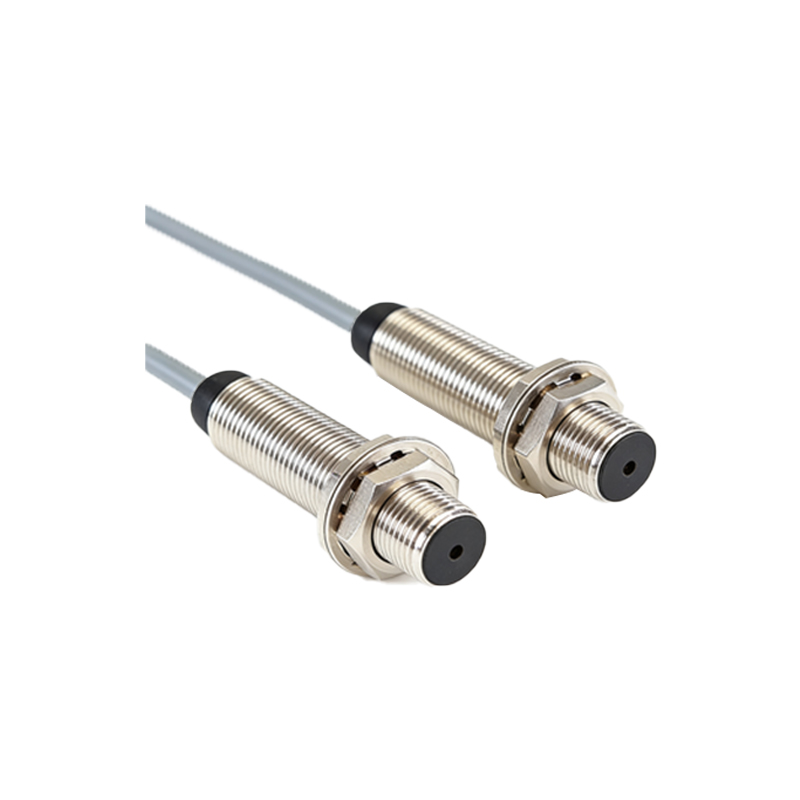
Infrared photoelectric sensors operate on a fundamental principle: they emit an infrared light beam and detect changes in the received light to sense the presence, absence, or position of an object. The core components are an IR emitter (typically an LED) and a receiver (a phototransistor or photodiode). These sensors are categorized primarily by their sensing method: through-beam, retro-reflective, and diffuse-reflective. Through-beam sensors consist of separate emitter and receiver units placed opposite each other, offering the longest sensing ranges and highest reliability. Retro-reflective types house both emitter and receiver in one unit, using a reflector to bounce the beam back, providing a good balance of range and ease of installation. Diffuse-reflective sensors detect light reflected directly off the target object itself, making them compact and ideal for close-range detection where installing separate components is impractical.
Key Selection Criteria: Range and Sensing Mode
The first practical step in selection is determining the required sensing distance and the appropriate mode. For long-range detection exceeding several meters, a through-beam sensor is almost always the best choice due to its high energy efficiency and immunity to target color or surface finish. For medium ranges where aligning two separate units is difficult, a retro-reflective sensor with a quality corner-cube reflector is optimal. For short-range applications or when detecting objects directly at the sensor face, a diffuse-reflective model is necessary. However, with diffuse sensors, remember that sensing distance is highly dependent on the target's size, color, and reflectivity. A white, matte surface will be detected at a greater distance than a small, black, shiny object. Always consult the sensor's datasheet for precise data on the "standard detectable object" and derate accordingly.
Environmental and Material Considerations
The operating environment critically impacts sensor choice. Ambient light from sunlight or high-intensity lamps can saturate the receiver, causing false triggers. Select sensors with modulated infrared light (often pulsed) and a corresponding tuned receiver circuit; this allows the sensor to ignore constant ambient light and only respond to its own modulated signal. For dusty, foggy, or dirty environments, choose models with higher IP (Ingress Protection) ratings, such as IP67, to ensure longevity. The material composition of the target is equally vital. Transparent objects like glass or clear plastic can be challenging for standard IR sensors, as they may pass the beam. Special polarized retro-reflective sensors or through-beam models are required for reliable detection of transparent materials.
Output Configuration and Electrical Interface
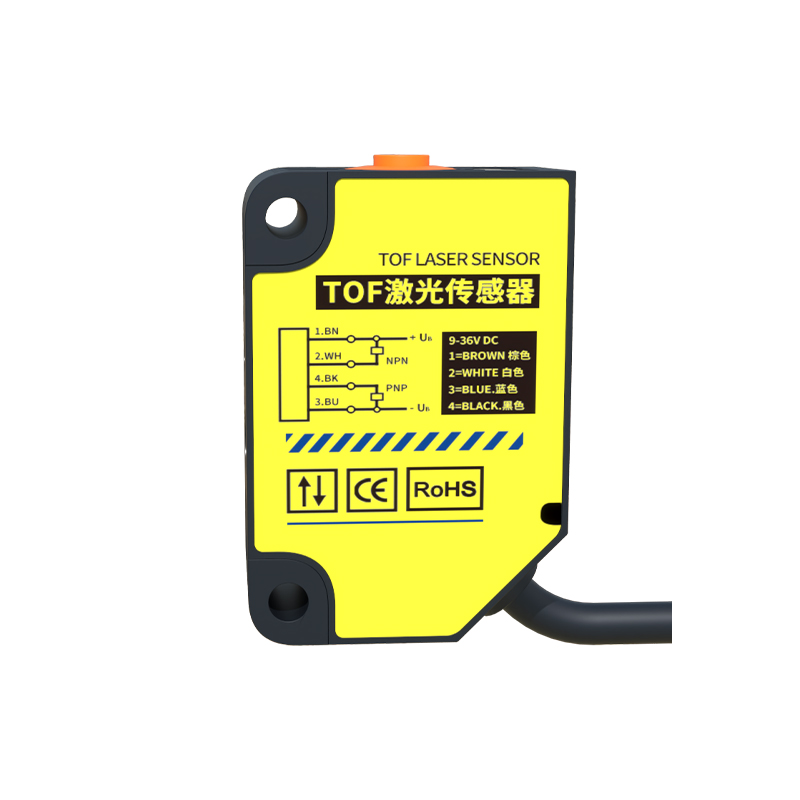
Photoelectric sensors provide either a digital (on/off) or analog output signal. Digital outputs, like NPN (sinking) or PNP (sourcing) transistors, are most common for simple presence detection. The choice between NPN and PNP depends on your control system's input card requirements (sink or source current). Analog outputs (0-10V or 4-20mA) are used when you need to measure distance or detect subtle changes in position, as the output current or voltage varies proportionally with the received light intensity. Additionally, consider the supply voltage range (e.g., 10-30V DC) and the sensor's current consumption to ensure compatibility with your power supply and control circuitry.
Special Features and Advanced Functions
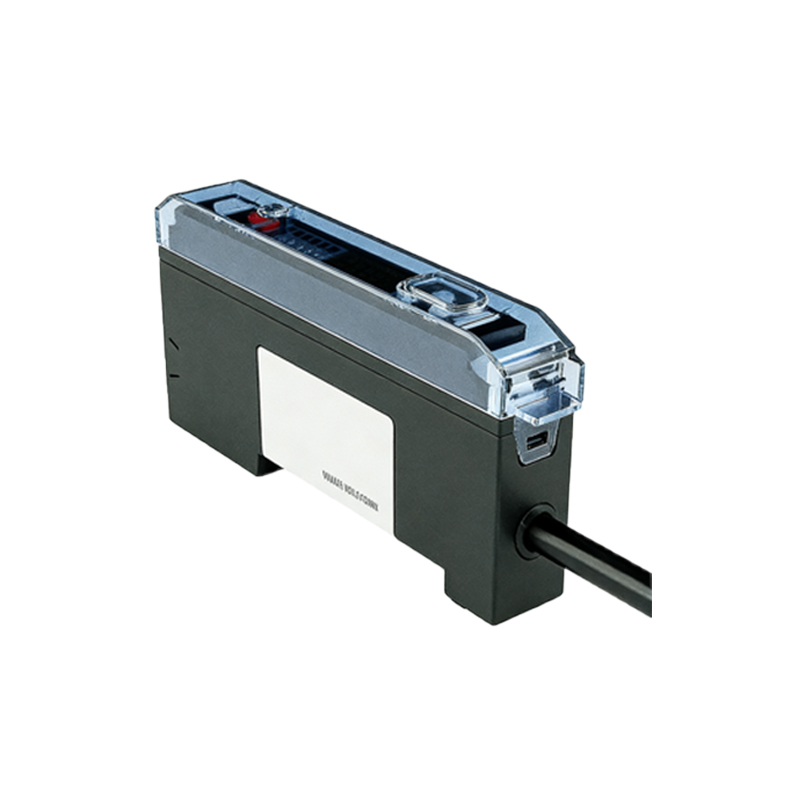
Modern infrared photoelectric sensors offer features that solve complex application challenges. Background suppression is a sophisticated technology in diffuse sensors that uses triangulation to only detect objects within a precise, defined range, ignoring surfaces beyond the set distance. This is invaluable for detecting objects on a conveyor belt while ignoring the belt itself or a background wall. Contrast sensors are designed to detect differences in surface color or reflectivity, often used in labeling or sorting applications. For precise positioning, fiber optic units coupled with IR amplifiers allow sensing in extremely tight spaces or high-temperature areas, as only the rugged fiber cable is exposed to the harsh environment.
Installation and Alignment Best Practices
Proper installation is paramount for reliable operation. Ensure the sensor is securely mounted to minimize vibration, which can affect alignment, especially for through-beam and retro-reflective types. Use mounting brackets that allow for fine adjustment. Many sensors feature built-in alignment indicators, such as LED lights that change color or brightness when optimal alignment is achieved. For through-beam sensors, carefully align the emitter and receiver axes. For retro-reflective types, ensure the reflector is clean and perpendicular to the sensor beam. Avoid sensing angles where specular reflection from shiny targets could direct the beam away from the receiver. Always perform final testing with the actual target material under normal operating conditions.