Understanding Embedded Interface Proximity Sensors
Proximity switch sensors with embedded interfaces represent a significant evolution in industrial sensing technology. These devices are designed to be fully integrated into machinery and equipment, offering a streamlined, low-profile installation that maximizes space efficiency and protects the sensor from environmental hazards. Unlike traditional sensors with external connectors or bulky housings, embedded models feature interface connections that are built directly into the sensor body or mounted flush within a prepared cavity. This design philosophy is crucial for applications in tight spaces, high-speed automation lines, and environments with significant risk of physical impact or contamination. The core sensing principle—whether inductive, capacitive, or magnetic—remains unchanged, but the packaging and electrical integration are optimized for seamless embedding into metal, plastic, or composite structures.
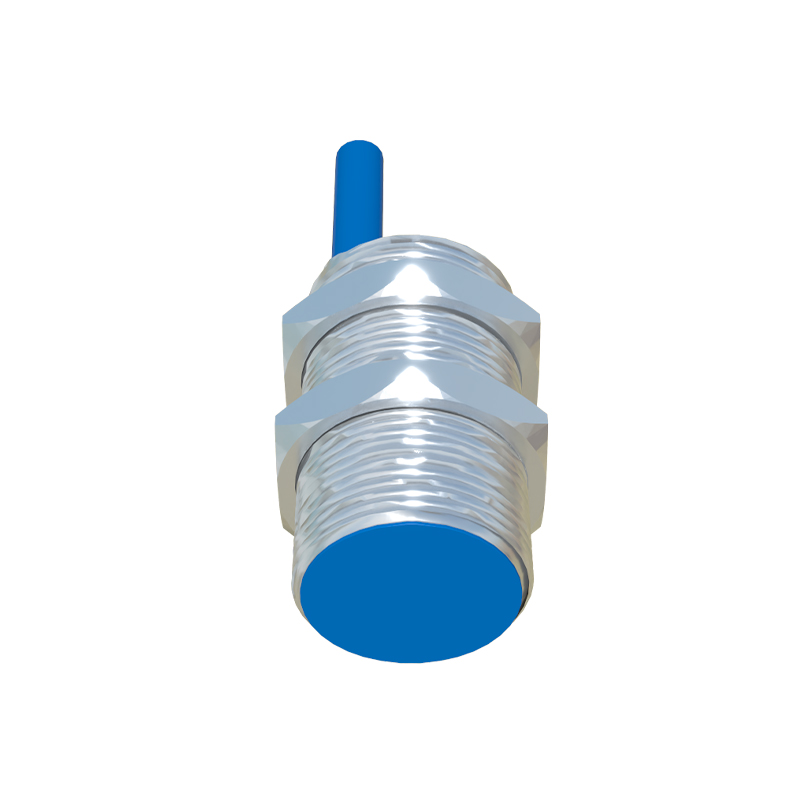
Key Design Features and Electrical Integration
The primary characteristic of an embedded interface proximity sensor is its connection method. Typically, these sensors utilize M8, M12, or specialized rectangular connectors that are molded into the rear of the sensor housing. Alternatively, they may feature flying leads or a terminal chamber accessible from the rear for direct wiring. The housing is often cylindrical or rectangular with smooth sides, allowing it to be press-fit or threaded into a precisely machined bore. Key design considerations include the sensing face material, which must be robust if it is to be flush-mounted, and the overall ingress protection (IP) rating, commonly reaching IP67 or IP69K for resistance to dust, washdowns, and oils. Electrically, these sensors integrate seamlessly with programmable logic controllers (PLCs) and industrial networks. Designers must pay close attention to the embedment depth, as the sensing range can be affected if the sensor is recessed too deeply behind a metal or non-metallic cover.
Installation and Mounting Best Practices
Correct installation is paramount for the reliable operation of embedded proximity sensors. The process begins with preparing the mounting location: a hole must be drilled and, if necessary, tapped to the exact specifications provided in the sensor's datasheet. Tolerances are critical; a hole that is too large can lead to sensor movement or inadequate sealing, while one that is too small can damage the sensor housing during insertion. For flush-mounted inductive sensors, it is essential that no ferrous metal surrounds the active sensing face within a specified radius, as this can create a "shielding" effect and drastically reduce the effective sensing distance. After mechanical installation, the electrical connection must be made securely, with cables routed away from high-noise sources like motor drives or power lines. Proper grounding and the use of shielded cables are recommended to prevent electromagnetic interference (EMI) from causing false triggering.
Advantages in Modern Automation Systems
The adoption of sensors with embedded interfaces delivers substantial benefits in complex automation environments. First, the reduced physical profile minimizes the risk of snagging or collision with moving parts, enhancing overall machine safety and sensor longevity. Second, the clean, integrated appearance improves the aesthetics of the equipment and simplifies hygiene-critical cleaning processes in food, beverage, and pharmaceutical industries. From a maintenance perspective, while the sensor itself may be less accessible, the standardized connector interface allows for rapid replacement without rewiring, minimizing downtime. Furthermore, this design inherently offers better protection against coolant ingress, metal chip accumulation, and mechanical vibration—common challenges in machining centers and robotic work cells. The result is higher system reliability and reduced total cost of ownership.
Application-Specific Considerations and Selection Criteria
Selecting the right embedded interface sensor requires a detailed analysis of the application. For detecting metallic objects in harsh environments like stamping presses or foundries, an inductive sensor with a stainless-steel face and high-temperature rating is ideal. For detecting non-metallic materials such as glass, wood, or liquid levels through a container wall, a capacitive embedded sensor is the correct choice. Key parameters to evaluate include the nominal sensing distance (Sn), which will be derated for flush mounting, the operating voltage (commonly 10-30V DC), output type (PNP/NPN/NO/NC), and switching frequency. For applications involving multiple sensors in close proximity, models with anti-collision technology or different operating frequencies should be specified to prevent crosstalk. Always consult the manufacturer's technical documentation to ensure the sensor's embedded performance characteristics match the specific mechanical, electrical, and environmental requirements of the installation.
Future Trends and Technological Integration
The future of embedded interface proximity sensors is closely tied to the trends of Industry 4.0 and smart manufacturing. We are witnessing the integration of IO-Link communication protocols into these compact form factors. An IO-Link embedded sensor not only provides a standard switching signal but