Introduction to Hoist Proximity Sensors
In the demanding world of industrial material handling, hoist systems are the workhorses of vertical movement. Their reliable and safe operation is non-negotiable, directly impacting productivity, asset integrity, and most importantly, personnel safety. At the heart of this reliability lies a critical, yet often understated, component: the proximity sensor. These non-contact electronic devices are fundamental to modern hoist control, providing the essential feedback needed for automated, precise, and safe lifting operations. Unlike mechanical limit switches, proximity sensors detect the presence or absence of a metallic target without physical contact, leading to significantly reduced wear, higher switching frequencies, and enhanced durability in harsh environments.
Core Functions and Operational Principles
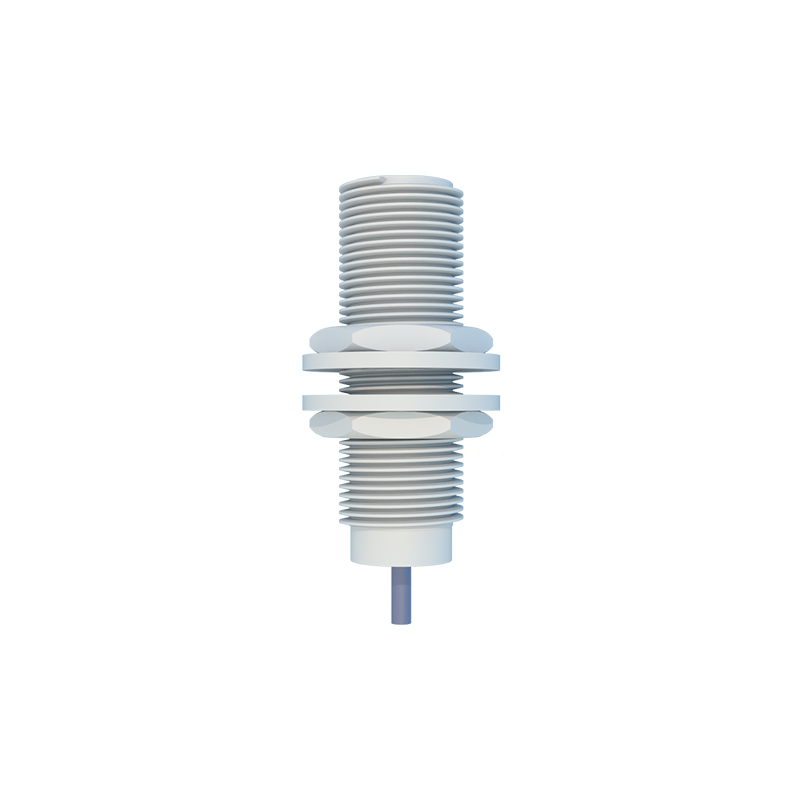
Proximity sensors in hoist systems primarily serve two vital functions: position sensing and limit switching. For position sensing, they are strategically mounted along the hoist's path to detect specific reference points, such as the hook or trolley position. This allows for automated stopping at predefined heights for loading and unloading, enabling seamless integration with automated storage and retrieval systems (AS/RS). As limit switches, they act as the final safety guard, preventing over-travel at the upper and lower extremes of the hoist's movement. By detecting a target on the moving block or hook assembly, they send a signal to the motor controller to cut power, thereby preventing catastrophic collisions with the drum or the ground. These sensors typically operate on the inductive principle, generating an electromagnetic field that is disturbed by a metallic target, triggering a solid-state output signal.
Key Benefits for Hoist Safety
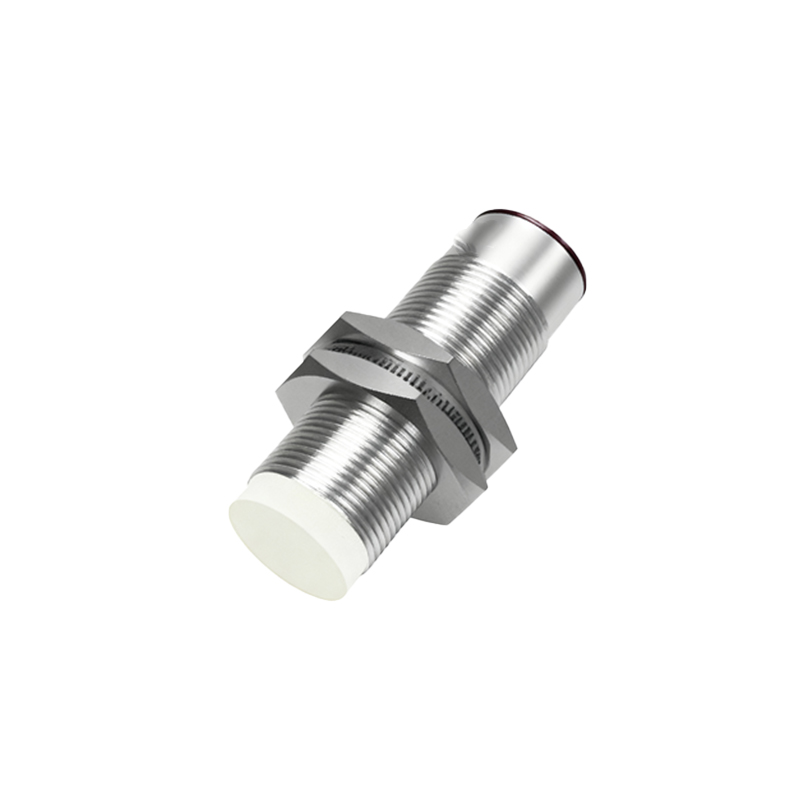
The implementation of proximity sensors dramatically elevates the safety profile of any hoist system. Their non-contact nature eliminates the risk of failure due to mechanical wear, sticking, or corrosion common in traditional lever-arm limit switches. This ensures that the critical end-of-travel safety function remains operational over millions of cycles. Furthermore, their fast response time and high repeat accuracy provide a reliable and consistent stopping point, minimizing the risk of load sway or imprecise positioning that could lead to accidents. In environments where explosive dust or gases may be present, intrinsically safe or explosion-proof proximity sensor designs are available, preventing the sensor from becoming an ignition source and ensuring compliance with stringent safety standards like ATEX or IECEx.
Enhancing Efficiency and System Longevity
Beyond safety, proximity sensors are pivotal for optimizing operational efficiency and protecting the hoist mechanism. By enabling precise automated positioning, they reduce cycle times and minimize operator dependency, leading to higher throughput. They also play a crucial role in preventing mechanical damage. By reliably halting motion at the limits, they protect the wire rope, drum, gearbox, and motor from the destructive forces of over-winding or slack rope conditions. This proactive protection reduces unplanned downtime, lowers maintenance costs, and extends the service life of the entire hoist assembly. Their sealed, rugged housings (often rated IP67 or higher) withstand exposure to dust, moisture, oil, and vibration, ensuring consistent performance in challenging industrial settings like steel mills, foundries, and shipping ports.
Selection Criteria and Installation Best Practices
Selecting the right proximity sensor for a hoist application requires careful consideration of several factors. The sensing distance, or range, must be appropriate for the target size and mounting position. The sensor's housing material and ingress protection (IP) rating must match the environmental conditions. Output type (typically PNP or NPN) must be compatible with the hoist's programmable logic controller (PLC). For limit switching applications, a normally closed (NC) configuration is often preferred for fail-safe operation. Installation is equally critical. Sensors must be securely mounted to prevent movement from vibration. The target, usually a metal flag or bolt head, must pass consistently within the sensor's specified sensing range and be aligned properly. Proper shielding and routing of cabling are essential to prevent electromagnetic interference from the hoist motor or variable frequency drives (VFDs) from causing false triggers.
Integration with Modern Control Systems
Today's proximity sensors are intelligent components that integrate seamlessly with advanced hoist control systems. They provide discrete digital signals to the PLC, which forms the brain of the operation. This integration allows for sophisticated control sequences, such as multi-speed slowing as the hoist approaches a target position, or the creation of multiple intermediate stopping points. Diagnostic capabilities are also enhanced; some sensor models or system architectures can monitor the "health" of the sensor circuit, providing early warnings of potential failures. This data can be fed into plant-wide monitoring systems for predictive maintenance strategies, moving beyond reactive repairs to a more proactive, data-driven management of hoist assets.