Introduction to Photoelectric Sensors
Photoelectric sensors are essential components in industrial automation, utilizing light beams to detect the presence, absence, or distance of objects. These sensors operate by emitting a light source, typically from an LED or laser, and measuring the reflected or interrupted light to determine object characteristics. They are widely used in manufacturing, packaging, robotics, and safety systems due to their non-contact nature, high precision, and reliability. The core principle involves converting light signals into electrical outputs, enabling seamless integration with control systems like PLCs. As industries advance toward smart factories, photoelectric sensors play a critical role in enhancing efficiency, reducing downtime, and ensuring quality control. Their versatility allows for applications in diverse environments, from clean rooms to harsh industrial settings, making them indispensable in modern automation.
Types of Photoelectric Sensors
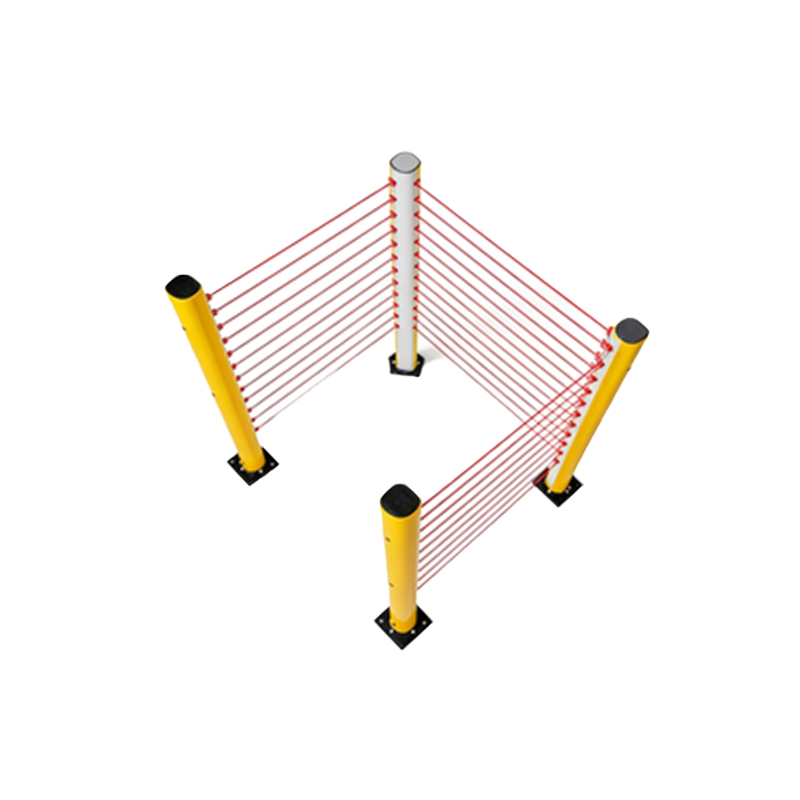
Photoelectric sensors are categorized based on their sensing methods: through-beam, retro-reflective, and diffuse-reflective. Through-beam sensors consist of separate emitter and receiver units, where an object is detected when it interrupts the light beam between them. This type offers long-range detection and high accuracy, ideal for precise positioning tasks. Retro-reflective sensors use a single unit with both emitter and receiver, along with a reflector; the light beam bounces back from the reflector, and detection occurs when an object blocks it. They are suitable for medium-range applications and are easier to install than through-beam sensors. Diffuse-reflective sensors rely on light reflecting directly off the object itself, making them compact and cost-effective for short-range detection. Each type has distinct advantages, and selection depends on factors like object material, environmental conditions, and required sensing distance.
Key Features and Specifications
When selecting photoelectric sensors, key features include sensing range, response time, light source type, and output configuration. Sensing range varies from a few millimeters to over 100 meters, with laser-based sensors providing extended ranges for specialized tasks. Response time, often measured in milliseconds, determines how quickly the sensor reacts to changes, crucial for high-speed production lines. Common light sources are red LED, infrared, and laser, each suited to different materials and ambient light conditions. Outputs can be digital (e.g., NPN/PNP) or analog, enabling compatibility with various industrial controllers. Additional features like background suppression, teach-in functionality, and IP ratings for dust and water resistance enhance adaptability. Understanding these specifications ensures optimal performance in applications such as object counting, level monitoring, and edge detection.
Applications in Industrial Automation
In industrial settings, photoelectric sensors are deployed for numerous tasks. On assembly lines, they detect parts for robotic handling or verify product placement, improving throughput and reducing errors. In packaging, sensors monitor fill levels, seal integrity, and label positioning, ensuring consistency and compliance. Safety systems use them as light curtains to protect workers from machinery hazards, triggering shutdowns when breaches occur. Logistics and warehousing benefit from sensors in conveyor systems for sorting and tracking items. Advanced applications include quality inspection, where sensors identify defects based on surface reflection, and predictive maintenance, by monitoring equipment wear. Their ability to operate in challenging environments—such as areas with vibration, temperature fluctuations, or contaminants—makes them reliable across sectors like automotive, pharmaceuticals, and food processing.
Installation and Calibration Tips
Proper installation and calibration are vital for sensor performance. Mount sensors securely to minimize misalignment, especially in through-beam setups where emitter and receiver must be precisely aligned. Avoid placing sensors near reflective surfaces or direct sunlight, which can cause false triggers. For diffuse-reflective sensors, adjust sensitivity based on object color and texture, as darker materials absorb more light. Use mounting brackets or enclosures in harsh conditions to protect against dust, moisture, and mechanical impact. Calibration involves setting the sensing distance and threshold levels, often via potentiometers or digital interfaces. Regular maintenance, like cleaning lenses and checking connections, prevents degradation. Following manufacturer guidelines and testing in real conditions ensures long-term reliability and accuracy.
Advantages Over Other Sensor Technologies
Compared to inductive or capacitive sensors, photoelectric sensors offer distinct benefits. They can detect non-metallic objects, such as plastic, glass, or liquids, expanding their utility beyond metal-sensing applications. Their non-contact operation eliminates wear and tear, reducing maintenance needs. High-speed detection capabilities make them ideal for fast-moving processes, while versatility in sensing modes allows customization for complex tasks. However, they may be affected by environmental factors like fog or dirt, requiring protective measures. By combining photoelectric sensors with IoT connectivity, industries enable real-time data collection for analytics, supporting Industry 4.0 initiatives. As technology evolves, innovations like miniaturization and enhanced communication protocols further boost their role in automated systems.
Future Trends and Innovations
The future of photoelectric sensors is shaped by trends toward smarter, more integrated systems. Advances in LED and laser technology are improving energy efficiency and detection ranges. Sensors with embedded intelligence, such as those with IO-Link communication, provide diagnostic data and remote configuration, reducing downtime. Machine learning algorithms are being integrated to adapt sensing parameters dynamically, enhancing accuracy in variable conditions. Miniaturization allows for installation in compact spaces, while multi-functional sensors combine detection with measurement capabilities. As industries adopt more collaborative robots and autonomous vehicles, photoelectric sensors will be key for navigation and object recognition. Sustainability efforts also drive development of eco-friendly materials and low-power designs, aligning with global industrial goals.
Conclusion
Photoelectric sensors are fundamental to modern industrial automation, offering precision, flexibility, and reliability. By understanding their types, features, and applications, engineers can optimize system performance and drive innovation. As industries continue to automate and digitize, these sensors will evolve to meet emerging challenges, supporting safer, more efficient operations. Investing in quality sensors and proper maintenance ensures long-term benefits, from increased productivity to reduced operational costs. Embracing technological advancements will further solidify their importance in the industrial landscape, making them a cornerstone of future smart manufacturing environments.