Overview of Slot Type Photoelectric Sensors
Slot type photoelectric sensors, also known as through-beam sensors, are widely used in industrial automation for object detection, counting, and positioning. These sensors consist of a transmitter and a receiver housed in a single U-shaped unit, with a gap or "slot" between them. When an object passes through this slot, it interrupts the light beam, triggering a signal change. This design offers high reliability and ease of installation, making it a popular choice in manufacturing, packaging, and conveyor systems. The general slot type sensor is versatile, suitable for various environments, and can detect objects regardless of color, material, or surface finish, as long as they obstruct the light path.
Working Principle and Components
The core operation of a general slot type photoelectric sensor relies on infrared or visible light transmission. The transmitter emits a continuous light beam across the slot to the receiver. In the absence of an object, the beam reaches the receiver uninterrupted, maintaining a steady state. When an object enters the slot, it blocks the beam, causing the receiver to detect a drop in light intensity. This change is converted into an electrical signal, typically output as a digital switch (ON/OFF). Key components include an LED light source, phototransistor or photodiode receiver, signal processing circuitry, and a housing that protects against dust, moisture, and mechanical stress. Advanced models may feature modulated light to reduce interference from ambient light, ensuring accurate detection even in bright conditions.

Key Features and Specifications
General slot type photoelectric sensors are characterized by several important features. The slot width and depth determine the maximum object size and detection range, with common widths ranging from a few millimeters to over 50 mm. Response time is critical for high-speed applications, often as fast as milliseconds. These sensors typically operate on DC voltages (e.g., 10-30 VDC) and provide output types such as NPN, PNP, or relay contacts. Environmental ratings, like IP67 for dust and water resistance, enhance durability in harsh settings. Additional specifications include light source wavelength (e.g., 950 nm for infrared), beam alignment tolerance, and temperature operating range (-25°C to 70°C). Users should also consider factors like repeat accuracy and hysteresis to optimize performance for specific tasks.
Applications in Industrial Automation
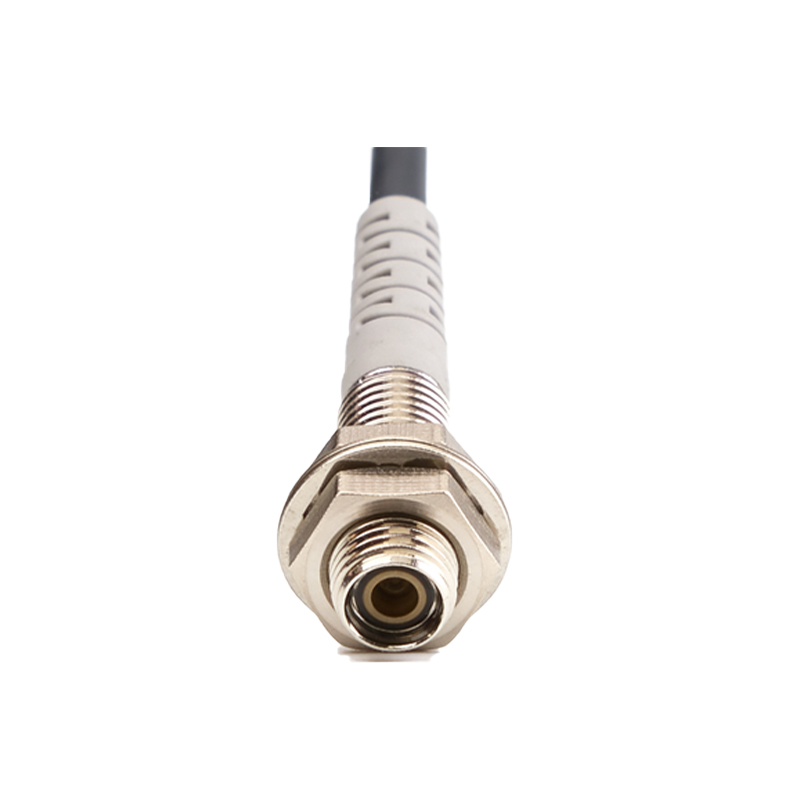
In industrial settings, general slot type photoelectric sensors serve diverse roles. They are commonly used for detecting the presence or absence of items on assembly lines, such as verifying part placement in automotive manufacturing. In packaging machinery, they count products or monitor fill levels by sensing labels or caps. Conveyor systems employ these sensors to control object positioning, prevent jams, and trigger sorting mechanisms. Other applications include paper feed detection in printers, edge guiding in textile production, and safety interlocks to ensure operator protection. Their ability to function reliably in fast-paced, repetitive processes makes them indispensable for improving efficiency and reducing downtime.
Advantages and Limitations
The advantages of general slot type photoelectric sensors include high precision, non-contact operation, and long service life due to minimal wear. They offer consistent performance across different object types and are relatively immune to electrical noise. Installation is straightforward, often requiring only mounting and alignment. However, limitations exist: the slot size restricts detection to objects that fit within it, and very small or transparent items might not reliably interrupt the beam. Environmental factors like heavy dust or fog can scatter light, causing false triggers. Regular maintenance, such as lens cleaning, may be needed in dirty conditions. Despite these drawbacks, their benefits often outweigh the challenges in many industrial scenarios.
Selection and Installation Tips
When selecting a general slot type photoelectric sensor, consider the application requirements. Choose a slot width slightly larger than the object to ensure easy passage without misdetection. For high-speed operations, opt for sensors with fast response times. Verify compatibility with control systems by matching voltage and output types. During installation, align the transmitter and receiver precisely to maximize beam strength; many models include alignment indicators. Mount the sensor securely to avoid vibration-induced errors, and ensure cables are protected from damage. Testing with actual objects under operating conditions helps fine-tune sensitivity settings. Following manufacturer guidelines for environmental limits and maintenance can extend sensor life and reliability.
Future Trends and Innovations
The future of general slot type photoelectric sensors is evolving with technological advancements. Integration of smart features, such as IO-Link communication, allows for real-time monitoring and diagnostics, enabling predictive maintenance. Miniaturization is making sensors smaller for compact machinery, while enhanced materials improve resistance to extreme temperatures and chemicals. Developments in light sources, like laser diodes, offer finer beam control for detecting tiny objects. Additionally, energy-efficient designs reduce power consumption in sustainable applications. As Industry 4.0 progresses, these sensors will likely become more interconnected, contributing to automated, data-driven systems that boost productivity and safety across various industries.