Introduction to Proximity Sensor Mini Probes
Proximity sensor mini probes are compact, high-precision components designed for detecting the presence or absence of objects without physical contact. These miniature devices are integral in automation, robotics, and manufacturing systems, where space constraints and accuracy are critical. Typically utilizing inductive, capacitive, or photoelectric technologies, mini probes offer reliable performance in harsh environments, including areas with dust, moisture, or electromagnetic interference. Their small form factor allows for installation in tight spaces, enabling precise sensing in complex machinery. Engineers rely on these probes for tasks such as position verification, object counting, and quality control, making them essential for modern industrial applications. The evolution of miniaturization has led to advanced designs that maintain sensitivity while reducing size, enhancing their versatility across various sectors.
Key Features and Design Specifications
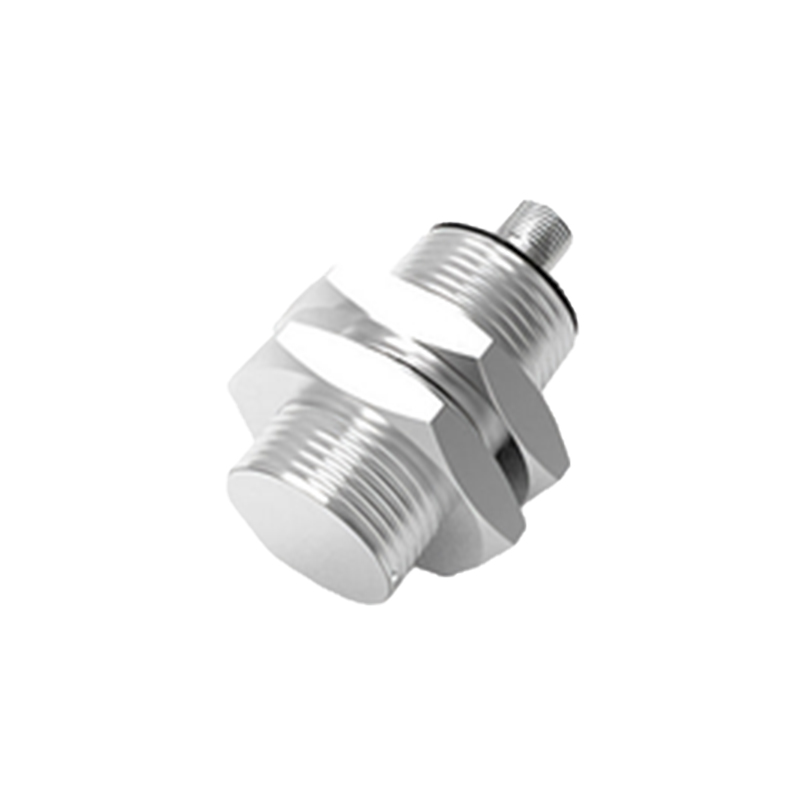
The design of proximity sensor mini probes focuses on durability and efficiency. Common materials include stainless steel or nickel-plated brass housings, which provide resistance to corrosion and mechanical stress. Typical dimensions range from 3mm to 12mm in diameter, with threaded or cylindrical bodies for easy mounting. Electrical specifications often involve operating voltages from 10V to 30V DC, with output signals such as PNP or NPN configurations. Sensing distances vary based on technology; for instance, inductive mini probes can detect metallic objects within 1mm to 5mm, while capacitive versions sense non-metallic materials at similar ranges. High-quality probes incorporate LED indicators for status monitoring and feature short-circuit protection to ensure longevity. These specifications are crucial for selecting the right probe for specific applications, balancing size, range, and environmental tolerance.
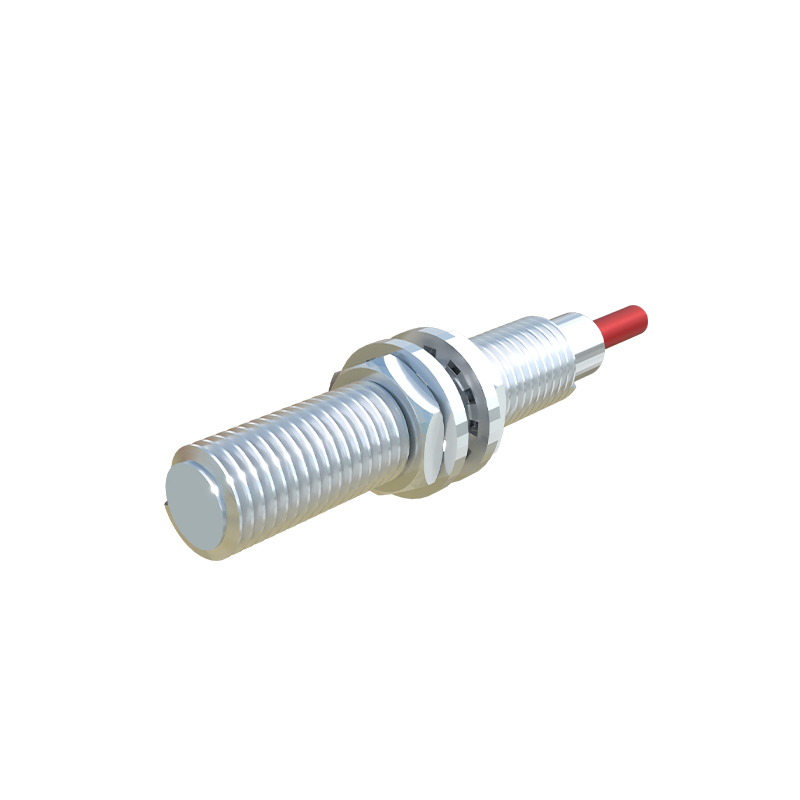
Visual Analysis of Mini Probe Images
Images of proximity sensor mini probes reveal critical details about their construction and functionality. Close-up photographs often show the sensing face, which may be flat or conical, designed to optimize detection accuracy. Threaded sections are visible for secure installation, while cable connections or connector types (e.g., M8 or M12) indicate compatibility with industrial systems. In cross-sectional diagrams, internal components like coils, oscillators, and output circuits are highlighted, demonstrating how electromagnetic fields or light beams enable non-contact sensing. Comparative images between different models illustrate size variations and material differences, aiding in selection. High-resolution visuals also capture environmental testing scenarios, such as probes operating in wet or dusty conditions, showcasing their robustness. These images serve as valuable references for engineers during design and maintenance phases.
Applications in Industrial Automation
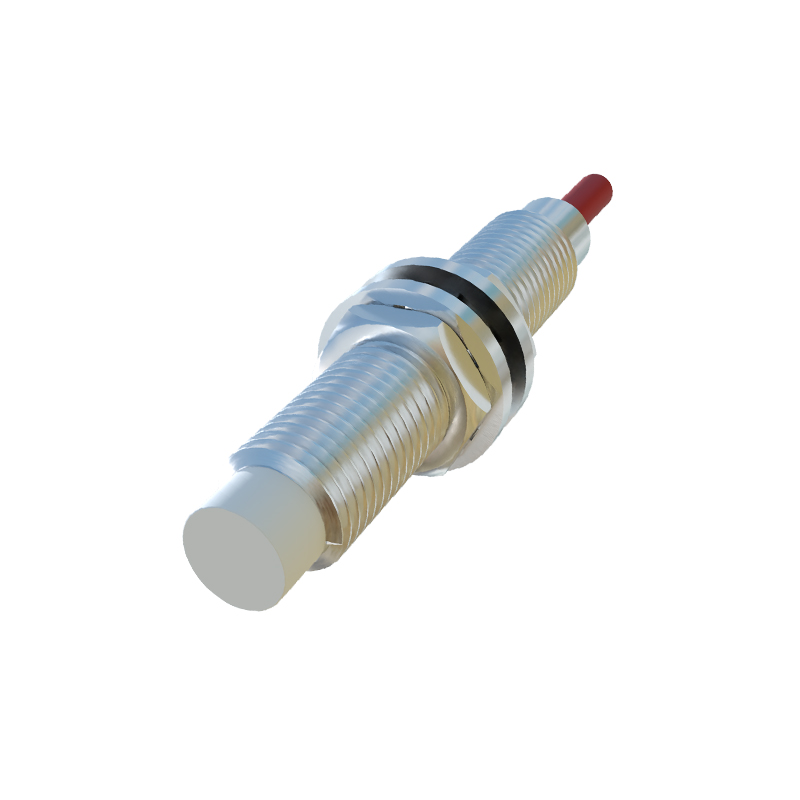
Proximity sensor mini probes are widely used in automated systems for precise object detection. In conveyor belts, they monitor product flow and trigger actions like sorting or packaging. Robotic arms employ these probes for end-effector positioning, ensuring accurate pick-and-place operations. Within CNC machines, mini probes verify tool presence and workpiece alignment, reducing errors and downtime. The food and beverage industry utilizes capacitive mini probes to detect liquid levels or packaging materials, while automotive assembly lines rely on inductive versions for part verification. Their ability to operate at high speeds—often with response times under 1ms—makes them ideal for dynamic processes. Case studies show that integrating mini probes improves efficiency by up to 20%, highlighting their impact on productivity and safety in smart factories.
Installation and Maintenance Guidelines
Proper installation is vital for optimal performance of proximity sensor mini probes. Engineers should mount probes perpendicular to the target surface, maintaining the specified sensing distance to avoid false triggers. Secure fastening with locknuts prevents vibration-induced misalignment, and shielding from adjacent metal objects minimizes interference. Wiring must follow manufacturer diagrams, with attention to polarity for DC models. Regular maintenance involves cleaning the sensing face with non-abrasive materials to remove debris that could affect sensitivity. Periodic testing with calibration tools ensures consistent output signals. Troubleshooting common issues, such as erratic behavior, often involves checking power supply stability or environmental factors. Documentation, including images from installation manuals, aids in visual verification and reduces setup errors, extending the probe's operational life.
Future Trends and Innovations
The future of proximity sensor mini probes is driven by advancements in IoT and Industry 4.0. Emerging designs incorporate wireless connectivity for real-time data transmission to central monitoring systems. Miniaturization continues, with probes as small as 2mm in development, enabling use in micro-assembly applications. Enhanced materials, such as ceramic housings, offer better performance in extreme temperatures. Smart probes with embedded diagnostics can predict failures and schedule maintenance, reducing downtime. Additionally, integration with AI allows for adaptive sensing, where probes adjust parameters based on environmental changes. Research in energy-efficient models aims to lower power consumption, supporting sustainable automation. These innovations promise to expand the role of mini probes in sectors like