Understanding Metal Proximity Sensor Fundamentals
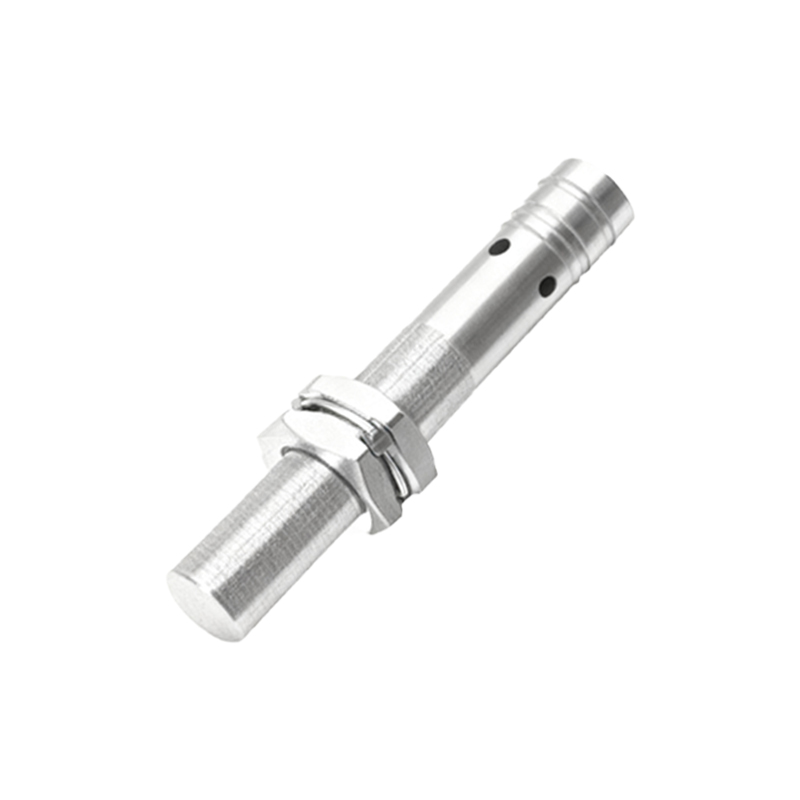
Metal proximity sensors, primarily inductive sensors, operate by generating an electromagnetic field. When a metallic target enters this field, eddy currents are induced, causing a change in the sensor's oscillation amplitude. This change is detected and converted into a switching signal. Their core function is non-contact detection, making them ideal for harsh industrial environments where physical contact could cause wear or failure. Key performance parameters include sensing distance, which is typically a fraction of the sensor's nominal range, repeat accuracy, and switching frequency. Understanding these fundamentals is crucial before determining installation points, as the sensor's specifications directly influence its placement effectiveness and reliability in detecting ferrous and non-ferrous metals.
Critical Installation Points on Automated Machinery
On automated production lines and CNC machinery, strategic placement is paramount. Common critical points include robot end-effector tool changers, where sensors verify the correct gripper or welding torch is mounted. Another vital location is at the limits of linear actuators or slides; sensors provide precise homing and end-of-travel position feedback, preventing mechanical overtravel. For rotary applications, such as indexing tables or conveyor sprockets, sensors are mounted to detect specific positions of metal flags or gears, enabling precise angular positioning. Installing sensors at these points ensures synchronization, safety, and accurate cycle control, forming the backbone of automated sequencing.
Integration in Material Handling and Conveyor Systems
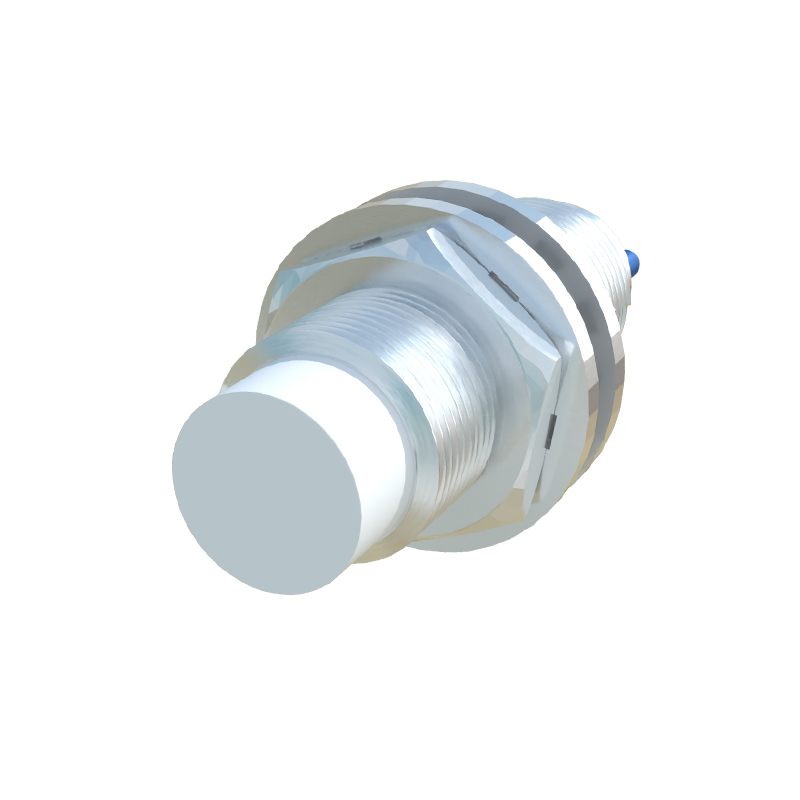
Conveyor systems heavily rely on metal detection for control and sorting. Primary installation zones are at transfer points, where sensors detect the presence of a metal pallet or carrier, triggering the start or stop of a downstream process. They are also mounted along conveyor edges to detect the passage of metal components for counting or分流 purposes. In automated storage and retrieval systems (AS/RS), sensors are crucial at the entry and exit of storage racks to confirm the presence of a shuttle or load, enabling inventory tracking and preventing collisions. Proper placement here minimizes jams and ensures smooth material flow.
Safety and Access Control Applications
Beyond process control, these sensors are integral to safety systems. A key installation area is on safety guards and doors of industrial machines. A sensor can detect if a protective metal door is fully closed and latched, enabling a safety interlock that prevents machine operation if the door is ajar. Similarly, in access control for hazardous zones, sensors can detect the position of metal safety barriers or the presence of personnel wearing metal tags. Installing sensors in these safety-critical locations helps comply with standards like ISO 13849, creating a safer work environment by ensuring machinery only operates under safe conditions.
Considerations for Harsh and Specific Environments
The installation site's environment dictates specific mounting considerations. In washdown areas (e.g., food & beverage), sensors with high IP ratings (e.g., IP67, IP69K) must be installed with their seals properly oriented to withstand high-pressure cleaning. In areas with heavy metallic debris or swarf, such as machining centers, sensors should be recessed or shielded to prevent false triggers from loose chips, or models with built-in electromagnetic immunity should be selected. For high-temperature zones near ovens or furnaces, sensors must be mounted at a sufficient distance or use high-temperature variants with extended cabling to protect the electronics from thermal damage.
Optimizing Orientation, Alignment, and Mounting
Correct physical mounting is as important as the location. The sensor face must be oriented parallel to the target's approach direction for maximum sensing distance. For flat targets, maintain alignment within the sensor's lateral offset specification. When detecting small targets like bolt heads or gear teeth, ensure the target size meets the sensor's minimum detectable object specification. Use non-ferrous mounting brackets (e.g., aluminum) to avoid influencing the electromagnetic field. Adequate clearance around the sensor head is necessary to prevent interference from adjacent metal structures, a principle known as "flush-mountability" or non-flush mounting requirements.
Electrical Wiring and Interference Mitigation
Even a perfectly positioned sensor can fail due to poor electrical installation. Follow the manufacturer's wiring diagram precisely for NPN/PNP and NO/NC configurations. Cables should be routed away from high-voltage power lines and motor drives to minimize electromagnetic interference (EMI); using shielded cables with the drain wire properly grounded is often essential. In multi-sensor setups, maintain adequate spacing between sensor bodies to prevent mutual interference. Always ensure a stable, clean power supply, as voltage fluctuations can cause erratic operation. Implementing these wiring best practices at the installation phase ensures signal integrity and long-term reliability.