Understanding Photoelectric Sensor Technology
Photoelectric sensors are indispensable components in modern industrial automation, relying on a light transmitter and receiver to detect the presence, absence, or distance of objects. The core principle involves emitting a beam of light—visible red, infrared, or laser—which is then either reflected back to the receiver (diffuse mode), broken by an object (through-beam mode), or reflected off a dedicated reflector (retro-reflective mode). The choice of sensing mode directly impacts factors like sensing range, environmental immunity, and application suitability. Advanced models incorporate background suppression and foreground suppression technologies, allowing for precise detection regardless of object color or reflectivity. Understanding these fundamental operating principles is the first critical step in evaluating and specifying imported sensors for complex automation tasks.
Key Advantages of Sourcing Imported Models
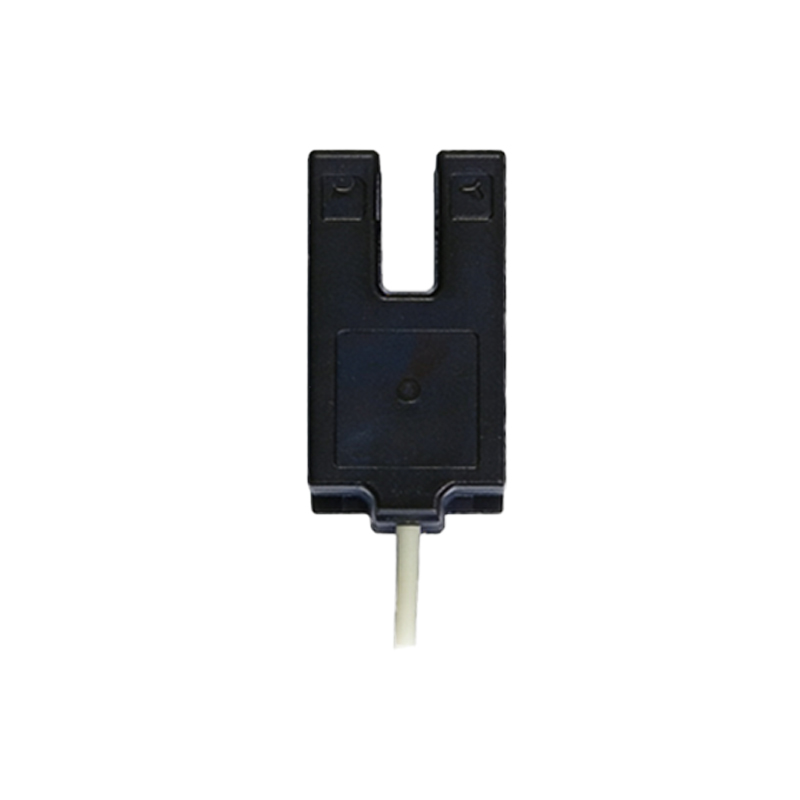
The global market for photoelectric sensors is highly competitive, with several regions renowned for technological leadership. Importing sensors often provides access to cutting-edge features not yet available domestically. These advantages include superior precision with micron-level accuracy, exceptional reliability in harsh environments due to robust housing (often IP67/IP69K rated), and extended sensing ranges that far exceed standard offerings. Furthermore, imported sensors frequently lead in miniaturization, enabling integration into space-constrained machinery. They also offer a wider array of specialized models, such as color recognition sensors, luminescence sensors, and fiber optic units with exceptional chemical resistance. The consistent quality control and rigorous testing protocols of top international manufacturers ensure long-term operational stability and reduced downtime, a critical factor in high-volume production environments.
Critical Selection Parameters for Import
Selecting the right imported photoelectric sensor requires a meticulous analysis of application parameters. Beyond the basic sensing mode, engineers must specify the sensing distance required, including both nominal and guaranteed operational ranges. The type of light source (LED or laser) and its wavelength determine detection capabilities for specific materials. Response time, measured in milliseconds or microseconds, is vital for high-speed production lines. Output configuration (PNP/NPN, analog, IO-Link) must align with the existing control system architecture. Environmental considerations are paramount: operating temperature range, resistance to dust, water, oils, and chemicals, as well as immunity to electrical noise and ambient light interference. Overlooking any of these factors during the procurement phase can lead to sensor failure and costly production halts.
Navigating Logistics and Supply Chain Considerations
Importing electronic components introduces specific logistical challenges that must be proactively managed. Lead times for specialized or custom-configured sensors can be significant, necessitating accurate forecasting and inventory planning. Engineers and procurement specialists must thoroughly understand Incoterms, ensuring clarity on shipping responsibilities, costs, and risk transfer points. Customs clearance procedures, including accurate Harmonized System (HS) code classification and preparation of necessary documentation, are essential to avoid delays. Partnering with reputable distributors or establishing direct relationships with manufacturers who have robust global supply networks can mitigate these risks. Additionally, considerations for voltage compatibility (e.g., 110VAC vs. 220VAC models) and certification standards (CE, UL, cUL) for the destination country are non-negotiable steps in the import process.
Ensuring Long-Term Support and Maintenance
The lifecycle cost of an imported sensor extends beyond the initial purchase price. Securing reliable technical support is crucial. This includes access to comprehensive, English-language documentation, detailed datasheets, CAD models for mechanical integration, and clear wiring diagrams. Availability of spare parts and replacement units on a reasonable timeline is a key factor in maintaining production continuity. Before finalizing a supplier, investigate their local or regional support footprint. Do they offer application engineering assistance? What is their policy on returns and warranties? Establishing a relationship with a supplier that provides strong after-sales support, including troubleshooting guidance and firmware updates, protects your investment and ensures the imported sensors deliver their promised performance throughout their service life.